- Shift to biking, walking, public transit, or carpool to cut emissions.
- Eco-friendly driving: smooth acceleration, anticipatory braking, and steady speeds reduce emissions by up to 20%.
- Avoid prolonged idling; use restart efficiency and start-stop to save fuel.
- Air conditioning boosts fuel use by 10-25%; use it sparingly.
Air pollution represents one of the major challenges of modern society, and road transport plays a significant role in this issue. The fuel burned by internal combustion engines produces greenhouse gases that contribute to global warming and to the degradation of the air quality we breathe.
However, you don’t need to give up cars entirely to make a positive environmental impact. By adopting simple and mindful habits, every driver can contribute significantly to reducing their carbon footprint without drastic lifestyle changes.
Limiting Car Use in Favor of Eco-Friendly Alternatives
Alternative transport options:
- Bicycle — ideal for short and medium distances, and provides health benefits
- Walking — perfect for trips under 2 km
- Public transport — buses and modern trams have much lower emissions per passenger
- Ridesharing — sharing trips with friends or colleagues reduces the number of cars on the road

Even reducing car use by one day per week can make a substantial difference in annual emissions. Many cities offer mobile apps to help find carpool partners or up‑to‑date public transport information.
Adopting an Eco-Friendly Driving Style
The way you drive directly affects the amount of fuel consumed and thus the emissions produced. An aggressive driving style can increase consumption by up to 40% in urban traffic and 15-30% on highways.
Efficient driving techniques:
- Smooth acceleration — avoid sudden accelerations and maintain a steady speed
- Anticipatory braking — use engine braking and avoid emergency braking
- Maintaining an optimal speed — between 50-80 km/h on national roads for maximum efficiency
- Route planning — avoid heavy traffic and choose smoother routes

Studies show that a mindful driving style can reduce emissions by up to 20%, making it one of the cheapest and most instantly applicable methods for any driver.

Eliminating Prolonged Idling
An engine running at idle consumes fuel without producing useful movement, resulting in virtually zero fuel efficiency. Many people wrongly believe that turning the engine off and on again uses more fuel than leaving it idling.
Technical reality:
- Modern engines consume less fuel on restart than idling for more than 10 seconds
- Modern start-stop systems are designed for frequent operation
- An idling engine produces the same amount of emissions as one that is running without covering distance
Common situations to avoid:
- Overheating the engine in winter (1–2 minutes is sufficient for modern engines)
- Waiting in the car with the engine running
- Being stuck in traffic for long periods
Smart Use of the Air Conditioning System
Air conditioning can increase fuel consumption by 10-25%, depending on usage. However, there are ways to reduce this impact without sacrificing comfort.

Strategies for efficient use of A/C:
At low speeds (under 50 km/h)
- Open the windows for natural ventilation
- Use the fan without cooling
- Park in the shade to reduce initial cabin temperature
At high speeds (over 80 km/h)
- Air conditioning becomes more efficient than open windows
- Aerodynamic drag increases significantly with open windows
General tips for the air conditioning system
- Turn off the A/C 5-10 minutes before reaching your destination
- Use the air recirculation mode in traffic
- Regularly service the system for optimal efficiency
Transition to Cleaner Propulsion Technologies
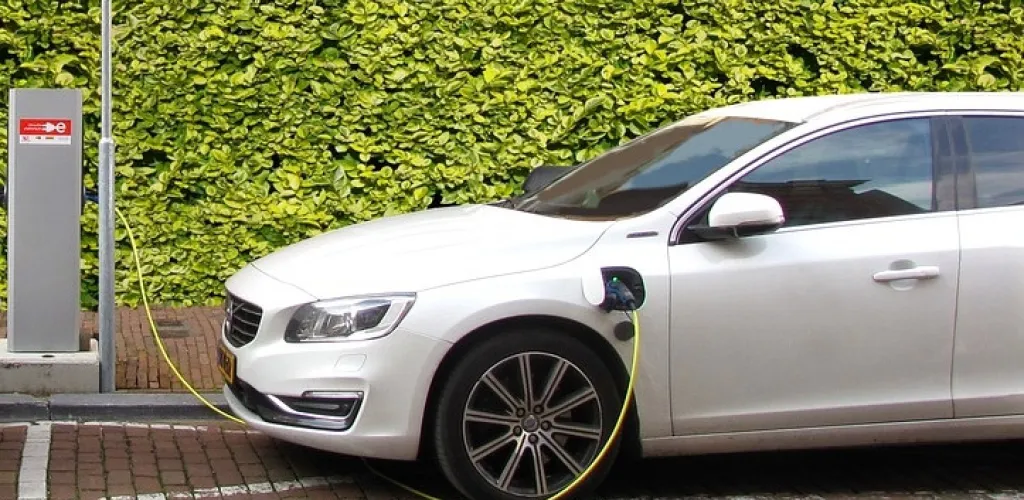
Investing in a hybrid or electric vehicle represents the most significant step toward reducing personal transport emissions. Data show that a conventional car produces approximately 190g CO₂/km, while eco-friendly options can dramatically reduce these emissions.

Propulsion technology comparison:
Hybrid vehicles
- Reduction of 25-40% in emissions compared with conventional engines
- The combination of electric and internal combustion engines optimizes efficiency
- Moderate purchase cost compared with full electric vehicles
- Unlimited driving range
Electric vehicles
- Zero local emissions during operation
- Reduction of up to 60-70% in total emissions (including energy production)
- Lower maintenance costs due to mechanical simplicity
- Charging infrastructure continues to develop in Romania
Hybrid cars — a transitional solution
For those who cannot yet afford a fully electric vehicle, hybrid cars are an excellent compromise, offering significant benefits in reducing emissions at a more affordable purchase price.
Long-Term Benefits of Emission Reductions
Adopting these methods not only helps protect the environment but also brings personal economic benefits:
- Lower fuel costs through increased efficiency
- Lower maintenance due to gentler demands on components
- Higher resale value for well-maintained vehicles
- Contribution to local air quality for community health
By implementing these five simple strategies, any driver can significantly reduce their environmental impact, demonstrating that environmental responsibility and practicality can go hand in hand in modern transportation.