- Fuel-system issues (incorrect injector, misadjusted carb, faulty ECU) affect emissions.
- Defective oxygen sensor commonly causes higher emissions and poorer engine performance.
- Ignition system problems raise hydrocarbon levels and can cause misfires.
- Ignition checks: spark plug color, coil tests, and wires inspection.
Emissions testing is a mandatory check that measures the level of pollution produced by the vehicle’s engine. Like any other test, there are specific standards that all cars must meet to be deemed roadworthy.
Many cars fail this test, leaving owners puzzled and unaware of the causes of the failure. To help you understand and prevent such situations, we have identified the seven most common reasons behind the majority of failed emissions tests.
Fuel system issues
A fuel system out of spec is more common than you might think. There are several factors that can cause this mismatch and directly affect the engine’s performance during the emissions test.
An incorrect fuel injector, a misadjusted carburetor, or a faulty engine management computer are the main causes for which your vehicle may not meet emissions standards. These components are responsible for delivering the precise amount of fuel into the combustion chamber, and any dysfunction will affect the combustion process.
Defective oxygen sensor — main cause
The oxygen sensor (lambda sensor) is responsible for measuring the amount of oxygen in the exhaust gases and plays a crucial role in controlling emissions. This sensor monitors the efficiency of the combustion process and transmits vital information to the ECU (engine control unit).
An oxygen sensor that is defective is a fairly common phenomenon in many vehicles. Its failure can lead to:
- Higher toxic emissions
- Lack of acceleration
- Engine overheating
- Increased fuel consumption
The oxygen sensor sends information to the ECU about the amount of oxygen in the exhaust gases, effectively performing an analysis of the exhaust gases. Depending on this analysis, the ECU decides how much oxygen to inject in the next combustion cycle.
If the sensor reads incorrectly, the ECU will no longer achieve the ideal air/fuel mixture, resulting in:
- Incomplete combustion
- Black smoke from the exhaust
- Engine misfires
- Increased fuel consumption by 1-2 L per 100 km
All of this for a part that costs under 100 euros, but whose effects can be devastating for the vehicle’s performance and compliance.
Ignition system and hydrocarbons
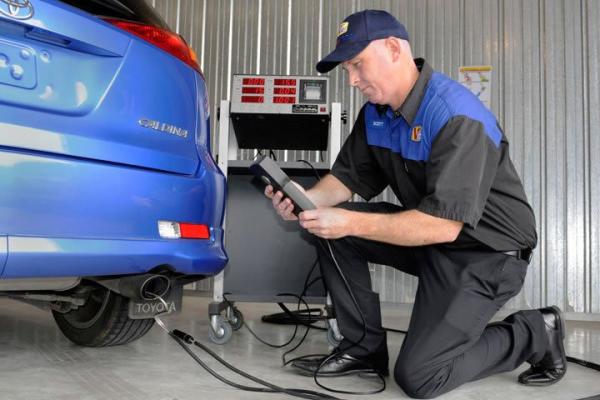
Analysis of exhaust gases can detect the presence of hydrocarbons in quantities higher than the allowed limit, which usually indicates a faulty ignition system. This issue frequently occurs on vehicles that are not properly maintained.
Main causes of a faulty ignition system include:
- Spark plugs worn or defective
- Ignition wires burnt
- Worn distributor cap
- Faulty ignition coils
How to check the ignition system
-
Spark plug check: Remove the spark plugs and inspect their color
- Bronze or gray = perfect operation
- Blackened, burnt or hot = replacement needed
-
Coil testing: Check each ignition coil individually. If there are problems with the coils, the engine may not start reliably.
-
Wires inspection: Look for signs of wear, cracks, or burns on the ignition wires.
Vacuum leaks and the MAP sensor
Vacuum leaks are a common problem that directly affect the emissions test result. These leaks can occur on both new and old cars due to several factors.
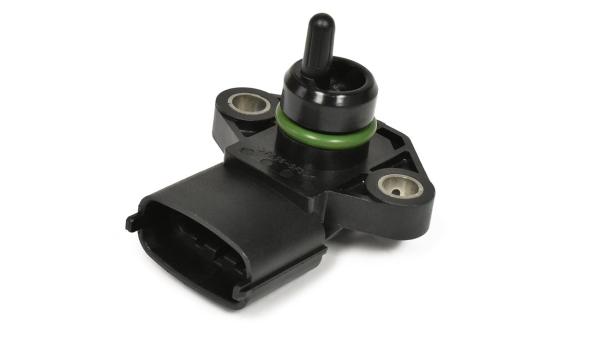
Vacuum leaks typically arise from a malfunctioning MAP sensor (Manifold Absolute Pressure). This sensor monitors the engine’s internal combustion load in the engine’s electronic control unit.
The most common places where leaks occur:
- Vacuum lines
- Intake system gaskets
- Intake manifold
- Throttle body
Rich fuel mixture
High levels of carbon dioxide in the exhaust gases can be produced by burning fuel, due to a higher level of carbon monoxide. This problem usually arises from a fuel/air mixture that is too rich or weak ignition.
A rich fuel mixture can cause misfires in:
- Intake manifold
- Carburetor
- Fuel pump
- Exhaust manifold
- Exhaust pipe
Causes of a rich mixture
There are several reasons behind a rich fuel mixture:
- Leaky injectors
- Contaminated oxygen sensor
- Too high fuel pressure
- Clogged air filter
- Defective fuel pressure regulator
Air injection system (AIR) failure
The Air Injection Reactor (AIR) system’s role is to introduce a precise amount of fresh air into the engine’s exhaust stream. The aim is to enable complete combustion of hydrocarbons and carbon monoxide from the exhaust gases.
Main functions of the AIR system:
- Reducing carbon monoxide emissions
- Reducing unburned hydrocarbons
- Meeting anti-pollution standards
- Optimizing the combustion process
A defective or faulty AIR system can cause the engine not to correctly control emissions of carbon monoxide and hydrocarbons, resulting in increased production of these gases.
Evaporative Emission Control System (EVAP)
The EVAP system prevents the release of fuel vapors into the atmosphere after the combustion process. This system captures fuel vapors from the tank and routes them to the engine to be burned in the normal combustion process.
EVAP components
- Activated charcoal canister
- Purge valve
- Tank pressure sensor
- Vacuum lines
- Tank cap
EVAP system failure causes
The main problems affecting the EVAP system include:
- Vacuum leaks in the system
- Faulty tank caps
- Purge valve stuck
- Activated charcoal canister saturated
- Cracked or disconnected vacuum lines
Prevention and troubleshooting
To avoid a failure on the emissions test, it is essential to keep the vehicle in optimal operating condition. Here are some recommendations:
Preventive maintenance program
- Replace spark plugs as per service schedule
- Check and clean the air filter regularly
- Perform oil changes on time
- Use quality fuel
- Inspect the exhaust system periodically
Warning signs
Watch for the following symptoms that may indicate emissions-related problems:
- Increased fuel consumption
- Colored smoke from the exhaust
- Engine misfires
- Difficult starting
- Loss of power
- Check engine warning light
If you notice your car experiencing any of the mentioned issues, take it to a specialized auto service. It is important to act while the problem is still in its early stage to prevent more serious and costly failures.
Photo sources: dieselnet.com, illinoiscarlaws.com, sxthelement.com