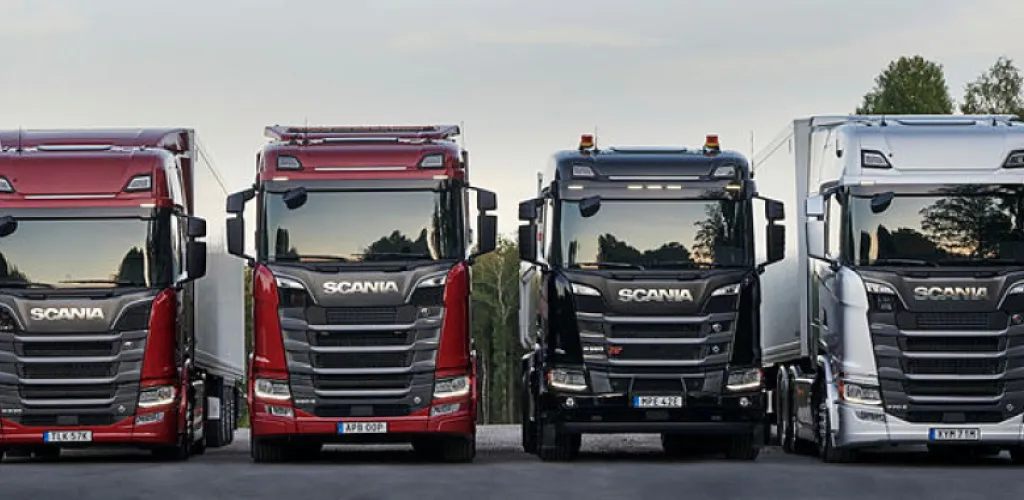
- Authorized dealers offer warranties, full history, inspections, and reliable service
- Used trucks can be a sound asset with proper maintenance history
- Buy from authorized channels; online platforms require credibility checks and inspections
- Market-price realism matters; red flags include hidden damage, altered mileage, forged documents
Buying a used truck can be a profitable investment for your business, but it also carries significant risks if you’re not careful. Whether you aim to expand your fleet or start a transport venture, selecting the right vehicle and a trustworthy dealer are crucial decisions that can influence the profitability of your operations.
The used-truck market in Romania offers numerous opportunities, but it’s also full of traps for uninformed buyers. Unfortunately, there are unauthorized dealers who profit from customers’ lack of experience by selling vehicles with hidden defects or even non-existent ones. Therefore, it’s essential to know clear evaluation criteria and apply a rigorous verification strategy before closing any deal.
Why choose a used truck
Buying a used truck can be a financially sound decision, especially if you’re looking for a reliable commercial vehicle at an affordable price. Used vehicles can offer an excellent quality-to-price ratio, particularly when they come from authorized dealers who ensure a thorough technical check.
Modern trucks are built to withstand hundreds of thousands of kilometers when properly maintained. A used truck with a complete service history can be as reliable as a new one, but at a significantly lower cost. The savings realized at purchase can be reinvested in growing the business or in preventive maintenance of the vehicle.
Moreover, depreciation of new commercial vehicles is dramatic in the first years of use. By selecting a truck with a few years on the clock, you avoid this drop in value and gain a more stable asset for your company.
How to identify safe deals on the used truck market
Romania’s used-truck market can be navigated through various channels: online platforms, authorized dealers, official representatives, or independent dealers. Each option comes with its own advantages and risks.
Buying from authorized dealers or directly from manufacturer representatives is always the safest option. These sellers have a reputation to protect and typically offer warranties, a full vehicle history, and the possibility to have the truck technically inspected before purchase.

Online platforms dedicated to commercial vehicles offer quick access to numerous offers, with useful filters to search by make, model, year of manufacture, mileage, and price. However, it’s crucial to always verify the seller’s credibility and inspect the vehicle physically before making payment.
The 5 essential tips for a safe purchase
1. Check if the price is realistic for the market
A price significantly below market level is the first red flag. While it’s tempting to think you’ve found a great deal, the reality is often disappointing. Vehicles sold well below average typically hide serious problems: structural damage, major mechanical faults, mileage alteration, or even forged documents.
Before considering any offer, research the market value for that model. Check multiple listings for the same type of truck, compare prices, and pay attention to specifications. A truck with many options and low mileage will naturally cost more than one with standard equipment and many hours of operation.
If you encounter an offer that seems too good to be true, it probably is. In transport, fake savings can quickly turn into major expenses. It’s wiser to pay a fair price for a well-checked vehicle than to save initially and spend on expensive repairs later.
2. Avoid unauthorized dealers and shady sellers
The truck market attracts unscrupulous individuals who try to take advantage of buyers. There are classic scams repeated: vehicles that don’t exist physically, “build-to-order” trucks that require upfront payment, sellers who refuse to present complete documents or avoid face-to-face meetings.
A clear indicator of an unsafe dealer is refusal to provide complete vehicle details or resistance to scheduling an independent technical inspection. Serious dealers are transparent, allow you to inspect the vehicle in detail, and provide all documents needed to verify legality and history.
Because you’re investing a substantial sum, it’s worth working only with sellers who can prove credibility. Look for online reviews, check if the dealer has a verifiable physical address, and seek recommendations from other transport operators or industry companies.
3. Prioritize purchases from official representatives
Authorized dealers and manufacturer representatives offer the highest level of safety in used-truck transactions. These sellers have strict verification and refurbishment standards before resale.
For example, recognized manufacturers such as Scania offer dedicated programs for certified used trucks. These vehicles undergo complete technical inspections by specialized technicians, receive necessary repairs, and are offered with a warranty. Thus, you buy a truck that has been professionally checked and benefits from after-sales support.
Moreover, official representatives offer flexible financing options, including operating leasing or finance leasing, making the purchase easier for companies of any size. You can access offers directly on manufacturers’ online platforms, where you find detailed specifications, real photos, and service history for each vehicle.
While prices from authorized dealers may be slightly higher than on the open market, the difference is justified by transaction security, guaranteed vehicle quality, and the technical support provided.
4. Study the vehicle history in detail
Analyzing the complete history of a truck might be the most important step in the evaluation process. Service history, previous CIV sheets, accident reports, and even interviews with previous owners can give you a clear picture of how the vehicle has been maintained and used.
Always request the full service book. A well-maintained truck will have regular service records at proper intervals, with original or equivalent-quality parts. The absence of service documentation is a major red flag — either the vehicle hasn’t been properly maintained, or something is being hidden.
Check the advertised mileage against visible wear of components. A truck with 300,000 km but interior and components that appear far more worn may indicate tampered mileage. In particular, the cabin, steering wheel, pedals, and gear lever wear should be consistent with the stated mileage.
If possible, request a technical verification report from an independent workshop. A professional check costing a few hundred currency can prevent buying a vehicle with major issues that would cost thousands to tens of thousands to repair.
5. Insist on a comprehensive technical inspection before purchase
Never buy a truck without physically inspecting it and performing a full test drive. Any serious seller will understand and encourage this practice, because transparency builds trust and facilitates the deal.
If a dealer refuses or makes excuses to dodge a technical inspection, treat this as a major red flag and look elsewhere. They may claim that “the vehicle is in another location”, that “you must pay a deposit first”, or that “inspection isn’t necessary because it has a warranty”. All of these are manipulation tactics.
During the inspection, pay particular attention to:
- Engine and transmission: look for oil leaks, abnormal noises, excessive exhaust smoke, or issues shifting gears
- Braking system: test brake effectiveness, check discs, pads, and ABS
- Suspension and steering: look for play, noises, or unusual behavior
- Electrical system: check all lights, instrument cluster, and electronic systems
- Body and chassis: inspect for damage, rust, or signs of major repairs
- Cooling system: check coolant condition and any leaks
- Tires: assess wear and ensure uniformity
If you lack sufficient technical knowledge, it’s worth hiring an independent mechanic or bringing along someone with heavy vehicle experience. The cost of a professional inspection is negligible compared with the risk of buying a truck with major problems.
Financing options for used truck purchases
In addition to full upfront payment, there are various financing options that can make the purchase more accessible for your business. Operating leasing and finance leasing are the most popular alternatives, each with its own tax and financial advantages.
Operating lease allows using the truck for a monthly rate, without becoming the owner until the end of the contract. This financing type offers significant tax advantages since the payments can be fully deducted as an operating expense. Additionally, operating lease does not appear as a liability on the company’s balance sheet.
Finance lease works similarly to a loan, where at the end of the contract the truck becomes your property for a small residual value. This option is preferred by companies that want to own the assets long term.
Authorized representatives often partner with financial institutions, easing the approval process and offering competitive terms. The application process is simplified, and the required documentation is minimal compared to a standard bank loan.
Although prices from authorized dealers may be slightly higher than on the open market, the difference is justified by transaction security, guaranteed vehicle quality, and the technical support provided.
How to protect your investment after purchase
Once you’ve purchased the truck, the work does not stop. Rigorous preventive maintenance is essential to maximize the vehicle’s lifespan and avoid costly breakdowns that can halt operations.
Set a strict service schedule according to the manufacturer’s recommendations. Regular engine oil changes and filters, checks on the braking system, replacements of consumables, and periodic inspections are investments that will pay off many times over by avoiding major failures.
Monitor the vehicle’s performance and note any unusual behavior. New noises, higher fuel consumption, loss of power or starting issues may indicate problems that, if ignored, can develop into serious failures.
Consider a service or maintenance contract with an authorized service provider. While it involves monthly costs, this type of contract ensures consistent professional maintenance and can include roadside assistance in case of breakdown.
Conclusion
Buying a used truck can be a smart financial decision if you approach the process with caution and adequate information. The five tips presented — price verification, avoiding unauthorized dealers, prioritizing official representatives, studying the vehicle history, and insisting on a technical inspection — form the basis of a safe and effective buying strategy.
Investing in a commercial vehicle doesn’t have to be treated superficially. It’s a major asset for your business that will directly affect profitability and your company’s reputation in front of customers. A reliable truck means on-time deliveries, predictable maintenance costs, and a steady revenue stream.
Choosing to work with authorized dealers and recognized manufacturers gives you transaction security, professionally verified vehicles, and after-sales support. Although the price may be slightly higher than shady open-market offers, the extra investment brings peace of mind and protects your business from major financial risks.
Don’t let enthusiasm or time pressure push you toward hasty decisions. Take the necessary time to evaluate options, verify vehicles, and negotiate favorable conditions. A well-thought-out purchase today means years of profitable operations tomorrow.