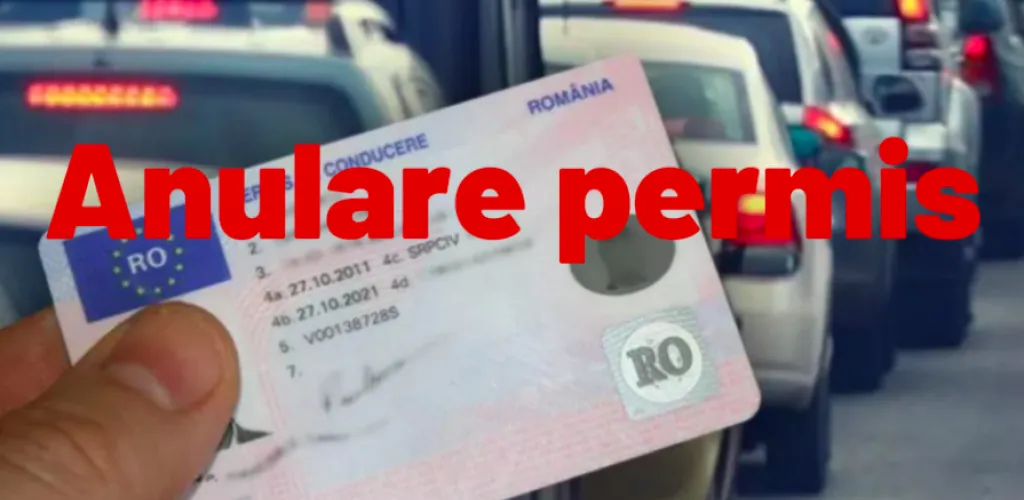
- Driving unregistered or with false plates leads to imprisonment and permanent revocation.
- Driving a vehicle not authorized or with revoked plates leads to imprisonment and permanent revocation.
- Driving without a license or with invalid/suspended license leads to imprisonment and permanent revocation.
- Driving under influence or refusing tests leads to imprisonment and permanent revocation.
Traffic offenses are the gravest violations of road law and are punishable by imprisonment or fines. In most cases, in addition to criminal penalties, the driver’s license is also canceled, a measure that prevents the holder from obtaining a new license for a fixed period or permanently.
Driving Without Authorization or With Improper Authorization
Unregistered vehicles or with false plates
Putting an unregistered vehicle into circulation or driving an unregistered vehicle is punishable by imprisonment and license revocation. It is considered a serious offense because the vehicle has not undergone mandatory technical checks and is not insured.
Using false registration numbers is an offense and more serious, punished with imprisonment and license revocation. This includes both mounting counterfeit plates and using numbers belonging to other vehicles.
Towing an unregistered trailer or one with a false plate is punishable by imprisonment or a criminal fine and license revocation.
Vehicles without the right to circulate
Driving a vehicle registered in another state that is not authorized to circulate in Romania or a motor vehicle whose registration plates have been withdrawn is punishable by imprisonment and license revocation. This situation arises when the vehicle does not meet the technical or administrative conditions to drive legally on public roads.
Lack of license or improper license
Driving without a license is one of the gravest road offenses and is punishable by imprisonment. This includes both never having obtained a driver’s license and cases where the license has long since expired.
Driving with a license not appropriate for the vehicle category, with the license withdrawn, canceled, or suspended, is punishable by imprisonment or a criminal fine and license revocation. For example, driving a bus with a Category B license or driving during a suspension.
Entrusting a vehicle to an unauthorized person – the owner or holder who allows a person without a license, with a withdrawn, improper, canceled, or suspended license, or who suffers from a mental illness or is under the influence of prohibited substances, to drive, is punishable by imprisonment or a criminal fine.
Driving Under the Influence of Alcohol or Drugs
Legal limit and consequences
Driving with a blood alcohol content over 0.80 g/L or under the influence of psychoactive substances (drugs) or medications with similar effects is punishable by imprisonment and license revocation. This offense also applies to driving instructors during training sessions and to examiners during the exam.
In Romania, the legal alcohol limit for drivers is 0.00 g/L in the breath, but the offense is constituted starting from 0.80 g/L of blood alcohol (approximately 0.40 mg/L in the breath).
Refusal to be tested
Refusal or evasion of providing biological samples to determine intoxication or drug use or breath testing is punished with imprisonment and license revocation. This offense applies to the driver, driving instructor, or examiner.
Refusal to undergo testing is treated as seriously as driving while intoxicated, since it is presumed the person had a serious reason to avoid testing.
Substance use after an accident
Consumption of alcohol, psychoactive substances, or medications with similar effects after an accident resulting in death or injury to people, until breath testing or collection of biological samples, is punished with imprisonment and license revocation.
An exception is the consumption of medications after an accident, administered by qualified medical personnel, when health conditions require it. This medical exception is justified and not an offense.
Leaving the Scene of the Accident
Leaving the scene of the accident without police authorization by the driver, instructor, or examiner involved in an accident resulting in death or injury, or if the accident occurred as a result of a crime, is punished with imprisonment and license revocation.
The same penalty applies to those who modify or erase the accident traces, as these actions hinder the correct determination of the circumstances in which the road incident occurred.
Legal exceptions for leaving the scene of the accident
Road traffic law provides several situations where leaving the scene of an accident does not constitute a crime:
-
The driver of an emergency vehicle belonging to the police, ambulance service, firefighters, or other emergency services, on duty, may leave the scene if they immediately notify the police. After completing the mission, the driver must report to the police to give statements.
-
Emergency transport of the injured – the driver of the vehicle who, in the absence of other means of transport, takes injured persons to the nearest medical unit, may temporarily leave the scene, provided they immediately return after the victims have been handed over to medical staff.
-
The victim leaves the scene – if the victim leaves the scene, the driver may leave on the condition of immediately notifying the nearest police station and providing all known details about the accident and the victim.
Other Serious Offenses in Traffic
Deterioration of road infrastructure
Theft or intentional damage of road signs, traffic lights, or road facilities or creating obstacles on the roadway is punishable by imprisonment or a criminal fine. These offenses endanger the safety of other road users.
Installation of signaling devices or changing their positions without authorization, if they mislead road users, is punishable by imprisonment or a criminal fine. This offense includes mounting false signs, moving existing ones, or any other unauthorized modification of traffic signaling.
Illegal races and blocking the road
Organizing or participating in unauthorized races on public roads is punishable by imprisonment or a criminal fine and license revocation. Illegal street racing poses a major danger to road safety and can lead to serious accidents.
Deliberate blocking of a public road, if it endangers traffic safety or violates the right to free movement, is punishable by imprisonment or a criminal fine. This offense refers to deliberate actions to obstruct traffic, not to accidental blockages.
Transporting dangerous goods
Leaving a vehicle carrying dangerous goods unattended on the roadway constitutes an offense due to the major risks to public safety. Vehicles transporting flammable, toxic, or explosive materials must be under permanent supervision.
Faulty technical checks
Failure or defective performance of technical inspection duties or technical interventions, when they result in an accident with victims, constitutes a crime. This applies to auto technical inspectors, mechanics, and other persons responsible for inspecting and repairing vehicles.
Repairing damaged vehicles without police authorization is also an offense. An exception is repair in the case of a valid amicable accident report, when the involved parties have completed the European form and police intervention is not required.
Consequences of License Revocation
License revocation means the document loses validity, and the person is not allowed to drive on public roads. To obtain a new license, the driver must wait for the ban period set by the court to expire and must retake the driving test, both the theoretical and practical parts.
In addition to license revocation, traffic offenses are recorded in the criminal record and can have long-term consequences on the professional and personal life of the convicted person. Therefore, adhering to traffic rules and road legislation is essential for the safety of all road users.