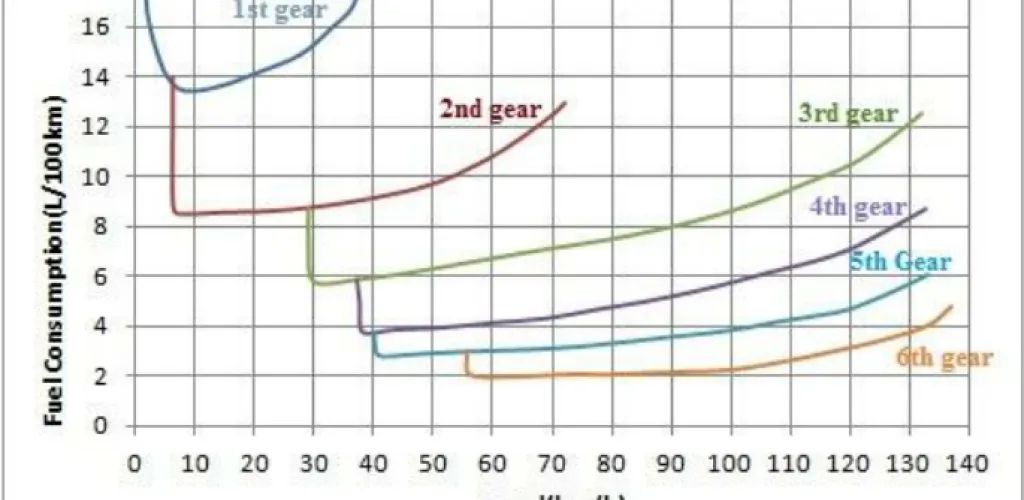
- ECO tuning reprograms the ECU to prioritize efficiency over maximum power
- It targets turbo-diesel engines, boosting only 5–12 hp and cutting fuel consumption 15–20%
- Benefits include better acceleration, easier overtaking, and more relaxed driving
- Vans, trucks, and commercial fleets can gain significant long-distance fuel savings
In the context of rising fuel prices in Romania, more and more drivers are seeking solutions to reduce their vehicles’ consumption. ECO tuning is a specialized electronic optimization that promises to combine fuel economy with an improved driving experience, making it a viable option for diesel vehicle owners.
Eco tuning is a specialized electronic optimization that promises to combine fuel economy with an improved driving experience, providing a viable option for diesel vehicle owners.
What ECO tuning is and how it works
ECO tuning is a specialized form of reprogramming the engine control unit (ECU) that prioritizes energy efficiency over maximum performance. Unlike classic chip tuning, which aims for a dramatic power increase, ECO tuning focuses on optimizing engine parameters to achieve a significant reduction in fuel consumption.
This optimization is achieved by modifying fuel injection maps, turbocharger pressure, and injection timing, creating an optimal balance between performance and economy. The result is a modest power increase of 5–12 hp and a considerable reduction in average consumption.
Compatible engines
Eco tuning can be performed exclusively on vehicles equipped with turbocharged diesel engines, as these turbo diesel systems provide the flexibility needed for ECO tuning optimizations.
Targeted vehicles
- Vans and light commercial vehicles — benefit from significant reductions in operating costs
- Trucks and transport vehicles — can achieve substantial fuel savings on long distances
- Commercial fleets — optimization can generate significant reductions in fuel expenses
Evolution of ECO tuning technology
Specific ECO tuning optimizations were subsequently implemented in the software of models manufactured after 2010. Car manufacturers began integrating these technologies directly into engine management systems, recognizing the importance of energy efficiency in the context of increasingly stringent emissions regulations.
Newer vehicles benefit from:

- More precise injection systems
- Variable-geometry turbochargers
- More advanced sensors for monitoring engine parameters
- ECUs with higher processing power
Benefits of ECO tuning
Fuel consumption reduction
The main attraction of ECO tuning is its ability to reduce diesel consumption by up to 15–20%, depending on the vehicle model and driving style. This reduction translates into tangible savings at the pump, quickly offsetting the initial investment.
Increase in performance
Although not the primary objective, ECO tuning often yields a torque increase of up to 20%. This performance bonus translates into:
- Improved acceleration response — the vehicle becomes more agile in traffic
- Easier overtaking — the extra torque facilitates overtaking maneuvers
- More relaxed driving — the engine does not need to be pushed hard to achieve the desired performance
Driving experience
The combination of efficiency and performance makes ECO tuning offer a superior driving experience. Drivers report a smoother drive, fewer gear changes, and a general sense of increased refinement.
Factors influencing results
Driving style
Efficiency depends largely on driving style. To maximize benefits:

- Avoid abrupt accelerations
- Keep revs moderate
- Use anticipation in traffic
Operating conditions
Results vary depending on:
- Type of route (urban vs. extra-urban)
- Weather conditions
- Vehicle load
- Overall engine condition
Important considerations
Before opting for ECO tuning, it is essential to ensure that:
- The vehicle is in optimal technical condition - existing mechanical issues can affect results
- Quality parts are used - clean air and fuel filters are crucial
- Maintenance is performed according to schedule - engine oil and other fluids must be in good condition
- Technical recommendations are followed - each engine has specific limitations
ECO tuning represents an elegant solution for reducing fuel costs, while offering an improved driving experience. For owners of turbocharged diesel vehicles, this optimization can be the perfect choice to combine economy with the pleasure of driving.