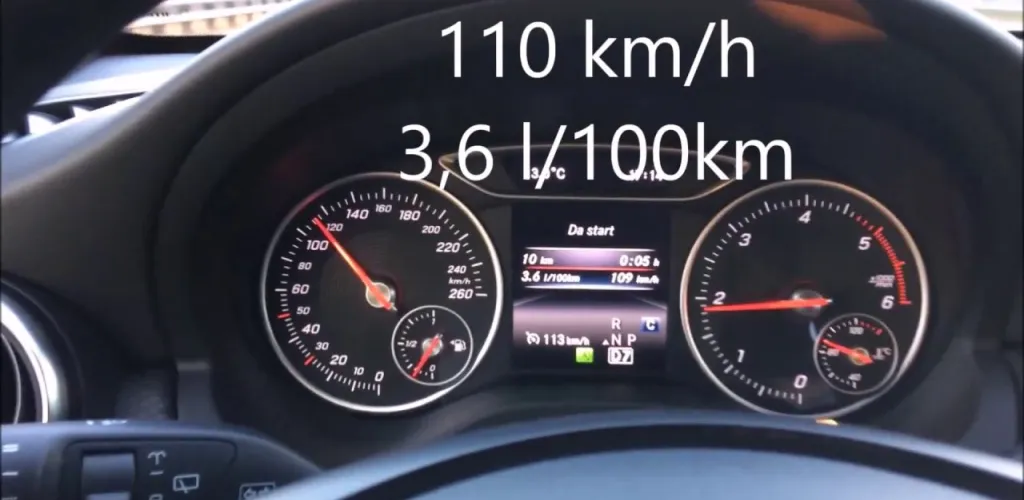
- ECU tuning reprograms the engine control unit to boost power and efficiency.
- It adjusts fuel injection, air/fuel mix, ignition timing, turbo pressure, and more.
- Stage 1 soft tuning is software-only, reversible, and delivers 15-35% power gains.
- Factory limits exist for emissions, safety, and model differentiation reasons.
ECU tuning, also known as chip tuning or ECU remapping, is the process by which the engine control unit is reprogrammed to optimize the vehicle’s performance.
This technology unlocks power reserves already under the hood, delivering significant performance gains without major hardware changes.
The ECU acts as the brain of every modern vehicle, processing sensor data and controlling critical parameters such as fuel injection, air/fuel mixture, ignition timing, and turbo pressure. By reprogramming these parameters, substantial improvements in power, torque, and efficiency can be obtained.
What is ECU tuning and how it works
The electronic control unit (ECU) continuously monitors and adjusts the following key parameters:
- Fuel injection - the exact amount of fuel injected and the optimal dosing
- Air/fuel mixture - the optimal ratio for complete combustion
- Ignition timing - the exact timing and synchronization of ignition
- Turbo pressure - for turbocharged engines
- Rev limits and other safety parameters
- Throttle position and air intake
- Crankshaft and camshaft positions
- Engine temperature and coolant temperature
- Exhaust gas composition
- Fuel injection pressure
- DPF regeneration strategies (for diesel engines)
Evolution of chip tuning technology
Chip tuning has evolved considerably since its inception:
- 1990s: Early electronic fuel injection systems
- Late 1990s: Expansion to diesel vehicles
- 2000s: Introduction of OBD-II systems and standardization
- 2010s: Optimization using advanced tools (Alientech, CMD, Dimsport)
- Present: Full optimization, including hybrid and mild-hybrid systems
Why engines are factory restricted
Manufacturers limit engine power for several practical and commercial reasons:
Legal and technical restrictions
- Emissions legislation: Compliance with Euro 6/7 norms
- Market diversity: Adaptation to different fuel qualities
- Climate conditions: Operation at extreme temperatures and altitudes
- Safety standards: Certifications required for homologation
- Extended warranty: Ensuring reliability over 5-7 years
Commercial strategies
- Model differentiation: Distinguishing base and sport versions
- Marketing strategies: Creating niches for higher-end models
- Lifecycle planning: Reserving upgrade opportunities for facelifts
- Production costs: Optimization for mass production
Practical examples
Original equipment manufacturers often use the same architecture across multiple models — a 2.0 TDI engine can range from 110-200 hp depending on the model, with differences mainly in software.
Types of ECU tuning available
Stage 1 (Soft Tuning)
The most popular and safest option:
- Software-only ECU tuning, no hardware changes
- All original components kept
- Power gains: 15-35%
- Torque gains: 20-40%
- Low cost and short turnaround time (1-3 hours)
- 100% reversible
- Ideal for daily use
Eco Tuning
Optimization for efficiency:
- Fuel consumption reduction: 5-15%
- Improved low-end torque curve
- Smoother accelerator response
- Ideal for urban traffic and long highway runs
- Cleaner emissions through more efficient combustion
Stage 2 (Medium Tuning)
Maximum performance with minor hardware changes:
- Optimized software plus aftermarket components
- Sport exhaust system required
- High-performance air filter
- Upgraded intercooler (for turbo engines)
- Power gains: 25-45%
Stage 3 and above
Extensive modifications for intensive sporty use:

- Turbocharger/upgraded supercharger
- Strengthened internal engine components
- Modified fueling system
- Major gains: 40-80% power
- Requires specialized maintenance
Results obtained through ECU tuning
Results vary by engine type and mechanical condition:
Turbo diesel engines (highest efficiency)
- Power: +25-50%
- Torque: +50-75%
- Consumption: improved 5-10% in normal driving
- Example: Audi 2.0 TDI from 143 hp to 190 hp
Turbo gasoline engines
- Power: +20-35%
- Torque: +25-40%
- Response: significantly improved
- Example: VW 1.4 TSI from 122 hp to 160 hp
Naturally aspirated diesel engines
- Power: +8-12%
- Torque: +15-25%
- Limitations due to lack of forced induction
Naturally aspirated gasoline engines
- Power: +10-15%
- Torque: +15-20%
- Example: BMW 318i from 136 hp to 155 hp
The professional ECU tuning process
Implementation methods
Via the OBD-II port (the most common method):
- Direct connection through the diagnostic port
- Reading and rewriting the engine map
- Duration: 1-3 hours
- 100% reversible
ECU removal (for older vehicles):
- Direct access to the control unit
- Requires advanced technical knowledge
- Duration: 3-6 hours
Stages of the professional process
Diagnosis stage (30-60 minutes):
- Scan for faults and check electronic systems
- Complete vehicle diagnosis
- Compression test to assess mechanical condition
- Check components (turbo, injectors, sensors)
- Analyze current engine parameters
- Road test to evaluate behavior
Programming stage (1-3 hours):
- Full backup — saving the original software
- Read the ECU and extract the current map
- Identify performance reserves
- Modify parameters with professionally calculated values
- Write the new optimized map
- Final checks and validation of the programming
Testing stage (30-60 minutes):
- Dyno test to measure real power
- Final calibration and precision adjustments
- Extended road test in real conditions
- Monitoring parameters for safety
- Fine-tuning if necessary
Safety and protection of the engine
A professional chip tuning maintains all original protections:
Protection systems preserved
- Temperature limits: EGT, oil, coolant
- Knock control active protection
- Pressure limits: Turbo, oil, fuel
- Rev limiter: Protection against overrevving
- Limp mode: Safety mode in case of faults
Continuously monitored parameters
- Lambda: real-time air/fuel ratio
- Ignition timing: dynamic adjustment
- Turbo pressure: precise control under all conditions
- Temperatures: monitoring of critical components
Tolerances respected
- Cylinder pressure: below 85% of mechanical limit
- Gas temperatures: below critical threshold for valves
- Turbo loading: within durability parameters
- Injectors: below maximum capacity
Advantages of ECU tuning
Performance improvements
- Acceleration: faster response and elimination of turbo lag
- Flexibility: power available across a wider rev range
- Overtaking: safer and quicker on national roads
- Traction: superior performance when towing
- Dynamic handling: enhanced overall dynamics
Optimized efficiency
- Reduced consumption in steady, economical driving
- Higher torque at low revs: less strain on the engine
- Smoother response: fewer abrupt accelerations
- Cleaner emissions through efficient combustion
- Lower costs compared to hardware upgrades
Driving experience
- Improved feedback: better connection with the car
- Comfort: relaxed driving with increased torque
- Versatility: adaptability to different driving styles
- Elimination of torque dip in the curve
- Reduced idle vibrations
Vehicle compatibility
Vehicles with the best results
- Turbo diesel engines: best results
- Turbo gasoline engines: excellent results
- Mild-hybrid systems: new optimization opportunities
Technical limitations
- Vehicles without an ECU: cannot be tuned electronically
- Encrypted systems: require specialized equipment
- Complete hybrid engines: require specific expertise
When ECU tuning is not recommended
Prohibitive technical conditions
- Engines with existing mechanical problems
- Vehicles with very high mileage (>300,000 km) without history
- Defective inject systems or permanent errors
- Exhaust system issues (DPF clogging)
- Worn turbochargers or excessive play
- Lack of regular maintenance
Specific situations
- Vehicles under warranty when warranty is a priority
- Urban-only use with low speeds
- Inexperienced drivers who cannot handle the extra power
Selecting the right specialist
Criteria for a professional
- Proven experience: minimum 5 years in the field
- Original equipment: Kess, Alientech, CMD, Dimsport
- Model-specific database knowledge
- Demonstrable portfolio with measured results
- Warranty offered: minimum 6-12 months
- Testing facilities (dyno)
- Ongoing after-sales support
Essential questions for the provider
- What equipment do you use and are they original?
- Do you provide the original file as backup?
- Experience with the model: how many similar cars have you tuned?
- Type of software: custom vs generic?
- Warranty: duration and conditions?
- Possibility to revert: can you revert to original?
- Dyno testing: validating results?
- What are the limitations for my model?
The costs of ECU tuning in Romania (2024)
Indicative prices
- Stage 1: 800-1,500 lei
- Eco Tuning: 600-1,200 lei
- Stage 2: 1,200-2,500 lei (plus aftermarket components)
- Stage 3: 1,500-3,000 euros
- Revert to original: 200-400 lei
Additional services
- Dyno testing: 150-300 euros
- Custom file: 200-500 euros extra
- Extended warranty: 100-200 euros
- Premium dyno services: +200-500 euros
Factors influencing price
- Engine complexity and ECU type
- Type of intervention (Stage 1, 2 or 3)
- Vehicle make and model
- Provider experience and equipment
- Additional services (dyno testing, warranty)
Maintenance after ECU tuning
Maintenance changes
Quality fuel:
- Gasoline: minimum 95 octane, preferably 98+
- Diesel: higher quality fuel
- Avoid questionable gas stations
- Periodic additives to keep the system clean
Adjusted service intervals
- Oil quality: use the recommended synthetic oil
- Reduced intervals: every 10,000 km instead of 15,000 km
- Air filter: check and replace more frequently
- Spark plugs: replace at 30,000 km instead of 40,000
- Fuel filter: more frequent than recommended
Post-tuning monitoring
- First few km: observe behavior and adapt
- First month: check fuel economy and performance
- Periodic: scan for hidden faults
- Annually: full check by a specialist
Warning signs
- Abnormal oil or fuel consumption
- Colored smoke from exhaust
- Power or acceleration losses
- Irregular engine operation
- Control system errors
Legal and warranty aspects
Legislation in Romania
- ECU tuning is legal in Romania
- The ITP (vehicle inspection) does not specifically check chip tuning software
- Insurance: informing the insurer is recommended
- Factory warranty may be voided; check impact
- For Stage 2+ it may be necessary to involve RAR (Romanian authority)
Warranty and documentation
- Professional chip tuning does not affect unmodified components
- Stage 1 carries minimal risk to warranty
- Hardware modifications carry a higher risk of voiding
- Remapping is reversible for service
- Keep the original file for restoration
- Some dealers accept professional tuning
Impact on insurance
Relationship with the insurer:
- Declaring modifications for transparency
- Possible minor premium adjustments
- Technical documentation may be requested
Resale value:
- Higher interest from enthusiasts
- Professional documentation is essential
- Possibility to revert to original configuration
Future trends in ECU tuning
Technological developments
- 48V mild-hybrid systems: new optimization opportunities
- Integration with ADAS systems: complex calibrations
- Remote tuning: over-the-air updates
- AI and machine learning: adaptive optimizations
- Hybrid optimization: synchronization of electric and thermal engines
Future challenges
- Euro 7 standards: stringent emissions restrictions
- Advanced encryption: increased technical difficulties
- Monitoring systems: detecting modifications
- Cloud integration: remote monitoring
Frequently asked questions
Is ECU tuning reversible?
Yes — professional chip tuning is fully reversible. The original software is kept as a backup and can be reinstalled for service.
Does it affect engine longevity?
A correctly performed chip tuning does not affect engine longevity. All parameters stay within safe limits, and protection systems operate normally.
Is the driving experience noticeably different?
The difference is very noticeable:
- Faster throttle response
- Safer and quicker overtakes
- Increased torque at low RPM
- More enjoyable and efficient driving
- Elimination of turbo lag
How long does the process take?
- Diagnosis: 30-60 minutes
- Programming: 1-3 hours
- Testing: 30-60 minutes
- Total: 2-5 hours for Stage 1 in full
How does it affect fuel consumption?
In normal driving, consumption does not increase and may decrease by 5-15% thanks to optimization. It rises only if you consistently exploit the extra power.
What happens to the warranty?
Warranty may be affected for engine-related components. Stage 1 tuning carries minimal risk, and since the modification is reversible, the ECU can be restored for servicing.
Is it legal in Romania?
Yes, software ECU tuning is legal in Romania. There are no specific restrictions governing software optimization.
Conclusion
ECU tuning represents the most effective way to improve vehicle performance without major hardware investments. With significant gains in power and torque (20-50% depending on the engine), potential maintenance or fuel efficiency improvements, and an enhanced driving experience, this technology offers an excellent quality-price ratio.
Main benefits:
- Significant increases in power and torque
- Improved throttle response
- Optimized consumption under normal driving
- Superior driving experience
- Reversible investment
- Lower costs than hardware upgrades
The key to success lies in choosing a provider with solid experience, authentic professional equipment, comprehensive warranty, testing facilities, and complete transparency.
A correctly performed ECU remap will unlock the engine’s real potential while preserving reliability, safety, and efficiency. Take the time to research providers, request dyno demonstrations, and check references to achieve the best results.