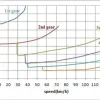
- Chip tuning reprograms the ECU to boost power, torque, and fuel efficiency.
- It works by sensor data collection, map-based processing, and issuing optimized commands.
- Factory ECU limits protect climate, fuel quality, emissions, and durability.
- ECUs can be under the hood, in the cabin, trunk, or integrated.
Chip tuning is one of the most popular ways to optimize a vehicle’s performance among automotive enthusiasts. This technology enables more power, lower fuel consumption, and removal of manufacturer-imposed limits, all through reprogramming the engine control unit (ECU).
If you’ve ever wondered exactly how this procedure works or what ECU remapping entails, this guide will provide all the answers you need.
What is chip tuning in the modern era?
In modern times, chip tuning is also called ECU tuning, ECU remapping, or engine software reflashing. The term refers to reprogramming the ECU so the engine operates in a more optimized way, delivering superior performance and an enhanced driving experience.
The procedure modifies the car’s computer parameters so that it controls the engine according to a new optimized algorithm. The targeted results are:
- Increased power: power output can rise by 15-40%, depending on the engine type
- Increased torque: improved torque for stronger acceleration
- Optimized fuel consumption: reduced fuel consumption through more efficient management
- Elimination of restrictions: removal of electronic speed or power limits
Technical operation of the ECU
The electronic control unit represents the “brain” of the modern engine. It receives information from numerous sensors and calculates optimal operating parameters in real time:
The ECU decision process
- Data collection: the ECU receives information from sensors (temperature, pressure, throttle position)
- Algorithm processing: the software analyzes the data according to factory-programmed maps
- Executing commands: it sends signals to injectors, ignition coils, and other components
Factory setting limitations
Manufacturers program the ECU with conservative settings to ensure:
- Operation in extreme climate conditions
- Compatibility with fuels of varying quality
- Compliance with emissions standards around the world
- Long-term durability of components
These trade-offs leave room for significant optimizations through chip tuning.

ECU location and types
Where the ECU is located
The electronic control unit can be found in different locations depending on the vehicle model:
- Under the hood: most commonly near the battery or fuse box
- In the cabin: under the dash, near the passenger or in the central console
- In the trunk: on some premium or hybrid models
- Integrated in the engine: in very modern engines
Types of ECUs by vehicle make
Bosch ECUs: most widespread, used by Audi, BMW, Mercedes, VW Continental ECUs: common on Ford, Renault, Peugeot Denso ECUs: specific to Japanese brands Toyota, Mazda, Subaru Delphi ECUs: present on Opel, Chevrolet and other GM brands
Controlling vehicle systems via the ECU
The modern ECU controls much more than fuel injection:
Propulsion systems
- Fuel injection: quantity and timing of injection
- Ignition: ignition timing advance and spark energy
- Turbocharging: turbo or supercharger boost
- Variable intake system: optimizing air flow
Auxiliary systems
- Automatic transmission: shift points and gearbox logic
- Stability systems: ESP, ASR and other safety systems
- Climate control: control of the AC compressor
- Emissions systems: EGR, DPF, catalytic converter
Electronic limits
- V-max: maximum speed limiter (250 km/h on German cars)
- Rev limiter: limiter of the maximum RPM
- Launch control: control of launches at the start
- Speed limiter: programmable speed limiter
Step-by-step chip tuning process
Diagnosis stage
- Scan the ECU: identifying the software and hardware version
- Read the original file: extracting the factory map
- Test the engine: measuring power and torque on a dyno
- Assess the technical state: checking critical components
Software modification
- Map optimization: adjusting parameters for performance
- Simulated testing: verifying compatibility of the modifications
- Final calibration: precise tuning for the specific vehicle
- Validation of limits: ensuring safe operation
Implementation and testing
- Writing the new software: uploading the modified map to the ECU
- Initial testing: verifying correct operation
- Road testing: real driving conditions
- Final measurements: confirming performance gains
Risks and necessary precautions
Risks to the engine
- Overloading components: turbo, injectors, fuel pump
- High temperatures: risk of overheating at high RPMs
- Premature wear: from running at higher parameters
- Reliability issues: if tuning is not performed correctly
Legal and warranty considerations
- Warranty loss: ECU modification may void the warranty
- Vehicle inspection and homologation: need to document modifications
- Insurance: informing the insurance company about the modifications
Criteria for selecting a specialist
- Proven experience: portfolio with similar vehicles
- Professional equipment: dyno, original software, backups
- Service warranty: accountability for modifications
- After-sales support: assistance and further adjustments
Chip tuning can completely transform the driving experience, but only if performed by experienced professionals. Investing in quality tuning not only improves vehicle performance but can also contribute to increased efficiency and engine longevity when done correctly.