- Brake hoses can crack or leak; inspect flexible hoses, joints, and fluid level.
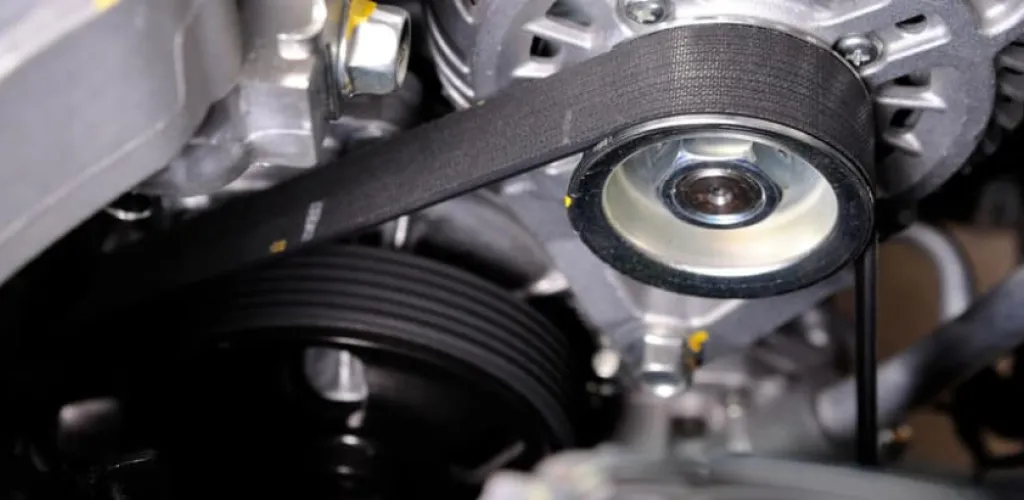
- Accessory belt drives power steering, AC, and alternator; check for cracks, noise, and wear.
- Fuel tanks in older cars can corrode; 10-year warranties are common.
Older than 10 years, vehicles require special attention to certain components designed to operate optimally for a limited period. While reaching this age does not mean immediate failure of parts, they no longer provide the same safety and reliability as in the early years of use. To avoid costly and potentially dangerous breakdowns, it is essential to know which components require thorough inspection.
Some parts are considered long-term “consumables,” subject to constant wear and extreme operating conditions. High temperatures, vibrations, humidity, and mechanical stress contribute to the deterioration of these components over time.
Brake system hoses - safety priority
Many vehicle owners do not check the braking system often enough and think brakes consist only of brake discs and pads, because those are replaced regularly.
Reality is that brake pads must be actuated hydraulically by the brake fluid, and this fluid must reach them somehow. The brake fluid resides inside flexible and rigid pipes, which over the years thicken and can fail.
Risks of damaged hoses
Brake hoses can crack and leak brake fluid gradually, or rupture completely and lose all fluid in minutes, leaving the car without brakes - a driver’s nightmare. Rubber hoses are more prone to damage, especially at joints with metal components.
What to check:
- Flexible hoses: Check for cracks, bulges, or signs of aging rubber
- Metal hoses: Inspect for corrosion and perforations, especially in salt-exposed and humid areas
- Joints: Ensure there are no leaks at the fittings
- Brake fluid level: A low level may indicate a leak in the system
Accessory belt - the heart of auxiliary systems
It is responsible for driving the servodirecția, aerului condiționat and alternatorului. The accessory belt is often overlooked when it comes to replacement, but remember that a belt is made of rubber that hardens and cracks over time.

In addition, it works in the immediate vicinity of the engine block and must withstand very high temperatures, sometimes exceeding 80-90°C in the engine compartment.
Signs of a worn belt
A belt will give signs before it breaks:

- Squealing at engine start for a few seconds
- Constant noise during operation
- Visible cracks on the belt surface
- Rubber dust traces in the engine compartment
- Reduced belt width compared to a new belt
It must be replaced as soon as possible, otherwise you may find yourself stranded on a long journey without power steering, ABS and all electronic systems of the car may stop functioning.
Fuel tank - corrosion issue
It is guaranteed for 10 years by most manufacturers. In older cars, the tanks are made of metal, metal that tends to corrode and crack over time. Check its integrity when you take the car to the service and, if necessary, replace it.
External and internal corrosion
Besides exterior corrosion due to conditions like salt, humidity, and mud, the tank can also corrode on the inside. If you tend to keep the car with only a few liters of fuel in the tank, the area where fuel should be will be air, which brings moisture.
Moisture will corrode the inner walls of the tank over time and rust flakes may settle on the bottom, potentially reaching the fuel system and clogging injectors or the fuel pump.
Signs of deterioration:
- Fuel smell in the cabin or around the vehicle
- Fuel stains under the vehicle
- Starting problems due to impurities
- Unstable engine operation
CV joints - transmitting power to the wheels
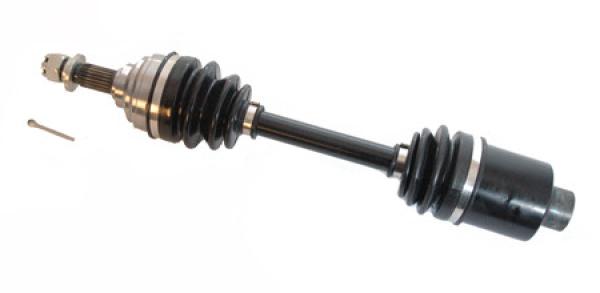
They are very important, being responsible for transmitting the engine’s power to the wheel via constant-velocity joints. Before they fully fail, they will emit characteristic noises.
Diagnosing problems
Damaged CV joints will creak loudly when taking turns, and the noise stops when you drive straight. This noise is caused by wear of the inner or outer constant-velocity joints.
Common causes of failure:
- Wear of protective boots - allows dirt ingress and grease loss
- Aggressive driving with sudden turns and strong accelerations
- Lack of maintenance - not replacing grease in the joints
- Old age of the vehicle
We recommend an annual thorough inspection of the steering and transmission system.
Shock absorbers - vital safety components
They are a vital component of the suspension system, but also of the steering system. Without functional shock absorbers, the car would have the road-holding of a gelatinous mass moving through the city at 50 km/h.
Evolution of shock absorber technology
Older shock absorbers showed clear signs when they failed, often with noticeable oil leaks. Modern shock absorbers are more sophisticated and can exhibit faults without obvious leaks.
Why do oil leaks from shock absorbers?
Shock absorbers are subjected to very large shocks, and inside them a rod moves up and down to absorb those shocks. This rod moves in an environment full of special oil, which heats up rapidly due to friction.
When the oil exceeds certain temperatures (above 100°C), internal pressure rises and can cause seal damage, resulting in leaks to the outside.
What to check on shock absorbers:
Visual inspection:
- Oil leaks on the body of the shock absorber
- Corrosion of mounting flanges
- Condition of dust shields
- Cracks in the metallic part
Functional test:
- Bounce test - press the corner of the car and observe whether it stabilizes quickly
- Cornering behavior - the car should not sway excessively
- Braking - the vehicle should not dive forward during hard braking
Other components to check periodically
Exhaust system
The exhaust piping is subject to corrosion from condensate and aggressive gases. Check:
- Pinhole leaks in pipes
- The condition of the catalytic converter
- Mounts and supports of the system
Cooling system
Cooling hoses degrade over time:
- Check elasticity and cracks
- Inspect hose clamps
- Test system pressure
Recommended inspection timeline
Annual:
- Full shock absorber and suspension inspection
- Inspect brake lines and fluid level
- Check accessory belt and tension
Every 2-3 years:
- Fuel tank inspection
- Check CV joints and protective boots
- Inspect exhaust system
At the first sign of a problem:
- Immediate diagnosis and repair
- Do not delay safety repairs
Maintaining a vehicle over 10 years old in optimal condition requires heightened attention to these critical components. Regular inspections can prevent costly breakdowns and, more importantly, can save lives by avoiding dangerous situations on the road.
Photo credits: a1autosupply.com, urbankenyans.com, rusnakwestlakeporsche.com, thoughtco.com, lerablog.org, nevaccessories.com