- Choosing oil depends on vehicle, engine type, year, and fuel.
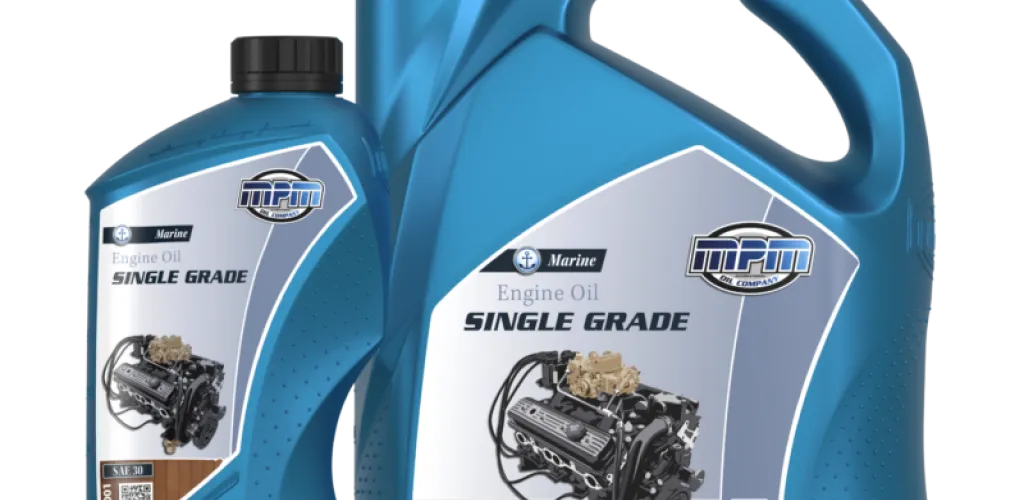
- Single-grade oils suit classic cars; SAE 20, 30, 40, 50 indicate viscosity.
- Brand differences exist at the same viscosity due to additives.
- Multi-viscosity oils like 5W30 adapt to cold starts and temps; synthetic benefits.
Choosing the right engine oil is one of the most important decisions for the health of your car’s engine. With a wide range of options on the market—from various manufacturers with different characteristics and advantages—picking the right oil can feel overwhelming. However, understanding the types of engine oil and the technical specifications will help you make the optimal choice.
To select the most suitable oil, you should consider several essential factors: the make and model of the vehicle, year of manufacture, engine type, and the fuel used. These parameters will determine the exact specifications your engine needs.
Single-grade oil: the solution for classic vehicles
Single-grade oil represents the traditional option and is most suitable for classic or vintage cars. This oil does not contain viscosity modifiers (polymers), which makes it ideal for older engines designed to operate with simple specifications.
The SAE (Society of Automotive Engineers) viscosity classification indicates viscosity with a single number. The higher the number, the higher the viscosity. For example:
- SAE20: low viscosity, for engines with tight tolerances
- SAE30: medium viscosity, for general use
- SAE40: high viscosity, for engines with advanced wear
- SAE50: very high viscosity, for extreme conditions
Multi-viscosity oil: performance in all conditions
Multi-viscosity oil is identified by its two-digit rating separated by the letter “W” (Winter). For example, a 5W30 oil indicates:
- 5W: performance at low temperatures (cold starts)
- 30: performance at the engine’s operating temperature

This type of oil is superior to single-grade due to its adaptability to varying climate conditions. It contains special additives that:
- Prevent excessive loss of viscosity at high temperatures
- Maintain optimal flow at low temperatures
- Protect engine components from wear in extreme conditions
- Ensure easier starting in winter
Differences between brands at the same viscosity grade
An important point to note is that oils with the same SAE rating can have different performance depending on the manufacturer. Thus, a 10W40 from one brand may have characteristics similar to a 5W30 from another manufacturer, due to differences in additive formulations and the quality of base oils used.

Conventional vs synthetic oil: which to choose?
This is probably the most common question when selecting engine oil. Synthetic oil has multiple advantages over conventional:

Benefits of synthetic oil:
- Superior thermal stability: resists better at extreme temperatures
- Extended durability: longer change intervals
- Advanced protection: superior lubrication properties
- Cleaner engine: keeps the engine cleaner
- Fuel efficiency: can contribute to reduced consumption
When to use conventional oil:
- When the manufacturer explicitly specifies it in the technical manual
- For very old engines with worn seals
- When budget is a priority
- For vehicles with very low mileage
How to determine the right oil for your car
Consult the owner’s manual
The basic rule in choosing oil is to respect the specifications in the vehicle’s service manual. It will indicate:
- The recommended viscosity grade
- The required API/ACEA standards
- The manufacturer-specific specifications
- The amount needed for the change
Factors to consider:
- Engine type: gasoline, diesel, turbocharged, naturally aspirated
- Vehicle mileage: new engines vs high-mileage engines
- Operating conditions: city, highway, extreme conditions
- Local climate: very cold or very hot temperatures
The importance of periodic oil changes
Regardless of the engine oil type chosen, it must be changed periodically. Even the most high-performing oils lose their properties over time due to:
- High operating temperatures
- Contamination with wear particles
- Deposits and harmful substances
- Natural oxidation of components
Recommended change intervals:
- Conventional oil: 5,000-7,500 km
- Synthetic oil: 10,000-15,000 km
- Severe conditions: intervals reduced by 30-50%
Conclusion
Choosing the right engine oil doesn’t have to be complicated if you know how to read the technical specifications and understand your vehicle’s needs. Always start with the manufacturer’s recommendations, then tailor your choice to your operating conditions and budget.
Investing in a quality oil will reflect in engine performance, durability, and lower maintenance costs over the long term.

Photo sources: shop.advanceautoparts.com, luboil.ee, indiamart.com, syntheticoilsource.com