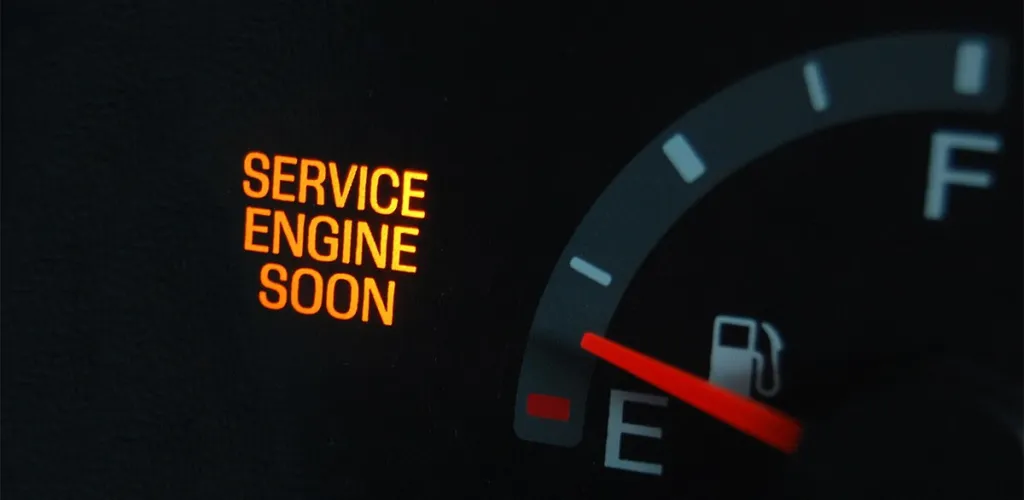
- Start with reading DTC codes using an OBD-II scanner.
- Persistent codes stay after 20-30 cycles; intermittent ones clear.
- Affordable OBD-II scanners provide reading, clearing, and live data.
- Before buying, check compatibility, reviews, features, and updates.
Many automotive problems can be detected and repaired at home with the right tools and the necessary know-how. Instead of paying large sums at a shop for a simple diagnosis, you can invest in your own diagnostic tool and save money in the long run.
Car owners often face situations where mechanics recommend replacing several parts, without being sure that all of them are actually faulty. To avoid unnecessary expenses and maintain control over the vehicle’s condition, home diagnostics becomes a practical and economical solution.
Reading DTC error codes – the essential first step
Professional diagnostics always begin with reading DTC (Diagnostic Trouble Codes). Modern cars are equipped with sophisticated electronic control units that continuously monitor system operation.
When a control unit detects an anomaly, it automatically stores the error code in memory. This process is called a cycle, and the vehicle will record the fault each time it detects the issue.
The self-diagnostic system works intelligently: if a problem does not repeat itself in 20-30 consecutive cycles, the control unit will automatically erase the error code from memory. If the problem persists, the code will remain stored and can be read with a diagnostic tool.

Choosing the right diagnostic tool
Auto shops use professional tools that cost thousands of euros, but for home use there are much more affordable alternatives that offer the same basic functionality.
A decent OBD II reader/code reader can be purchased for around 200 lei and allows:
- Reading DTC error codes
- Clearing the error memory
- Viewing real-time sensor data
- Compatibility with most vehicles produced after 1996

Before purchase, check:

- Compatibility with your make and model
- Reviews from other users
- Included functionalities
- Available software updates
The investment pays off quickly: a single diagnostic at a shop costs 100-150 lei, and your own tool can be used unlimited times.
Accurate interpretation of error codes
Reading the code is only the first step—accurate interpretation makes the difference between a successful repair and an expensive one.
For example, codes P0340 and P0341 may look similar but indicate completely different problems:
P0340: Fault in the camshaft position sensor circuit — usually the sensor is faulty P0341: Camshaft position sensor circuit performance — often a timing belt issue
In the case of P0341, replacing only the sensor can lead to engine damage if the timing belt is defective and breaks while running.
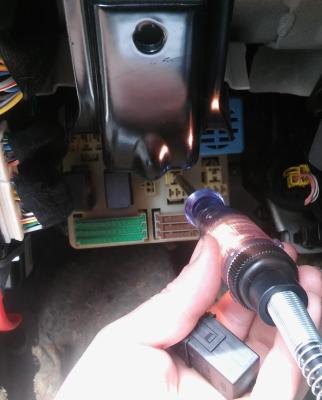
Common causes for similar codes:
- P0301-P0304: Misfire on cylinders – may indicate worn spark plugs, faulty coils, or fuel delivery issues
- P0420-P0430: Catalyst efficiency – not always means the catalytic converter must be replaced
- P0171-P0174: Lean mixture – often dirty MAF sensor or air leaks
Using a multimeter for advanced checks
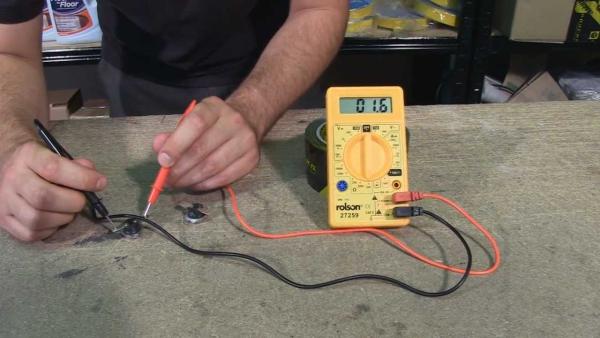
After identifying the error code, a multimeter becomes the essential tool for checking electrical components.
Important measurements:
- Battery voltage: 12.6V with engine off, 13.8-14.4V with engine running
- Ignition coil resistance: typically 0.5-2 ohms on the primary
- Temperature sensors: resistance decreases as temperature rises
- Oxygen sensors: voltage fluctuates between 0.1-0.9 V
Accessing the technical information you need
Specific electrical diagrams
- Identifying wires and connectors
- Normal voltage and resistance values
- Recommended testing sequences
Repair manuals
- Removal/installation procedures
- Technical specifications (torque values, tolerances)
- Timing diagrams for engines
Online databases
- Specialty sites with DTC codes
- Forums with similar experiences
- Demonstration videos for repairs
Full testing and repair procedure
1. Initial diagnostic
- Connect the OBD2 tool to the diagnostic port
- Read and note all error codes
- Check whether they are permanent or intermittent
2. Investigating the problem
- Look for code-specific information
- Identify possible causes in order of likelihood
- Check for service campaigns (recalls) for your model
3. Testing the components
- Use the multimeter for electrical checks
- Visually inspect wiring and connectors
- Test the suspected component according to specifications
4. Replacing faulty parts
- Purchase quality parts from reliable sources
- Follow mounting procedures in the manual
- Adhere to specified torque values

Final testing and validation of the repair
After completing the repair, follow these steps:
Clearing codes and road test
- Clear all error codes from memory
- Start the engine and let it warm up
- Perform a test drive of at least 15-20 km
- Vary operating conditions: idle, accelerations, steady speed
- Test under different conditions: cold/hot engine, AC on/off
Final verification
- Reconnect the diagnostic tool
- Check for new codes
- Monitor real-time parameters
- Document the values for future reference
Limitations of home diagnostics
When to go to a service:
- Complex automatic transmission issues
- Malfunctions of safety systems (ABS, ESP, airbags)
- Repairs requiring specialized equipment
- Programming and coding of control units
Emergency situations:
- Engine overheating
- Low oil pressure
- Brake system problems
- Suspicious engine noises

Long-term benefits
Investing in a home diagnostic system offers:
Financial advantages:
- Savings on diagnosing simple problems
- Avoiding unnecessary repairs
- Ability to buy parts at a better price
- Increasing resale value through proper maintenance
Practical advantages:
- Full control over the vehicle’s condition
- Early problem detection
- A better understanding of how the car works
- Independence from shops
Safety first
Diagnostic and repair at home can be safe if you follow a few principles:
- Do not attempt repairs beyond your skill level
- Always use protective equipment
- Disconnect the battery before working on the electrical system
- Follow safety procedures for lifting the vehicle
- If in doubt, consult a specialist
With the right tools and the necessary knowledge, many car problems can be diagnosed and repaired at home, giving you control over costs and a better understanding of your vehicle.