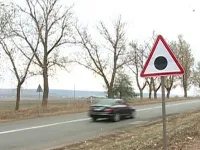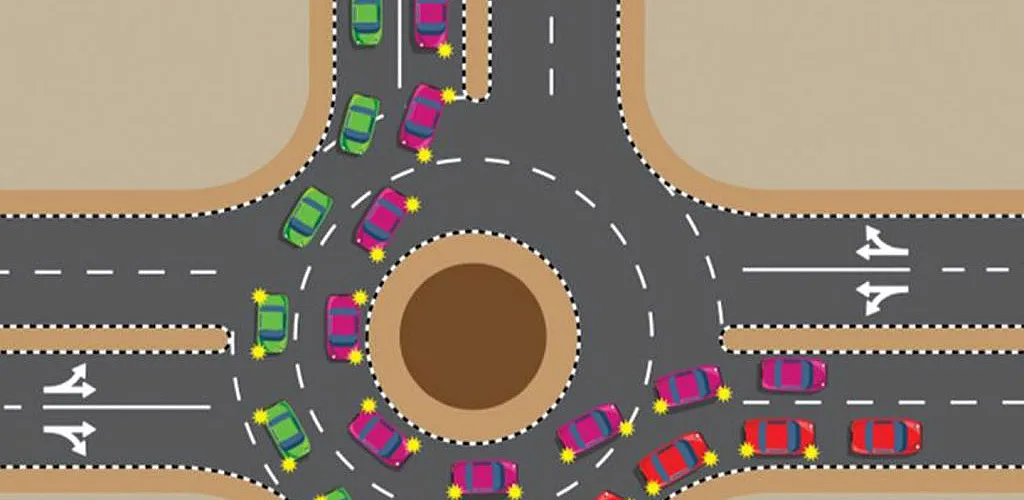
- Roundabouts reduce crashes and fuel use by smoother traffic flow.
- Slow to 20-30 km/h, yield to circulating traffic, check blind spots.
- Maintain 25-35 km/h, avoid unnecessary lane changes, keep 3-second following distance.
- Single-lane, multi-lane, complex geometry, and mini-roundabouts vary rules and cautions.
Roundabouts can pose a challenge for many drivers, from beginners to experienced ones facing complex layouts. As these intersections become more common in Romanian cities, understanding the correct rules of the road is essential for safety and for smoother urban mobility.
Roundabouts aren’t just simple circular intersections — they require a specific approach, with clear right-of-way rules and driving techniques tailored to them. Following these principles not only protects you and other road users but also contributes to the overall efficiency of urban traffic.
Why roundabouts are implemented in urban traffic?
Roundabouts are implemented based on feasibility studies that analyze traffic at problematic intersections. These studies assess vehicle volumes, accident frequency, and waiting times to determine whether a roundabout would improve the situation.
Main advantages of roundabouts:
- They streamline traffic by eliminating signals and dead waiting times
- They require drivers to reduce speed, significantly lowering the number and severity of road traffic crashes
- They improve safety by eliminating frontal collisions and reducing conflict points
- They reduce fuel consumption by eliminating the need for full stops at lights
- They reduce pollutant emissions by shortening idling time
- They diminish wear on vehicles by avoiding frequent start-stop cycles
- They allow continuous flow of traffic even in case of technical failures (unlike signals)
Types of roundabouts and their characteristics
Single-lane roundabout
The simplest configuration, where all vehicles travel on the same lane regardless of the exit desired. The rules are straightforward: enter when it is safe and exit at your chosen destination.
Multi-lane roundabouts
More complex, with 2-4 circulating lanes, each with specific rules. Road markings and signboards indicate which exits are permitted from each lane.
Roundabouts with complex geometry
Appear at major intersections with multiple access roads. They may have dedicated lanes for certain directions or irregular configurations that require extra attention.
Mini-roundabouts
Used in tight spaces, with a small central island, where large vehicles can pass around the central island.

3. Proper entry technique
Steps for a safe entry:
- Reduce speed to 20-30 km/h as you approach
- Evaluate traffic inside the roundabout through successive left-right glances
- Yield to all vehicles circulating
- Check your blind spot for motorcycles and bicycles
- Accelerate progressively to merge with the traffic flow
Common mistakes at entry:
- Forcing entry when there isn’t enough space
- Stopping completely when it isn’t necessary (blocks traffic)
- Not respecting the priority of vehicles inside the roundabout
4. Driving inside the roundabout
Rules for safe movement:
- Maintain a steady speed of 25-35 km/h
- Avoid lane changes unless absolutely necessary
- Keep a safe following distance – minimum 3 seconds
- Pay attention to vehicles entering (they must yield, but be defensive)
- Prepare for exit in advance with signaling and positioning
5. Exiting the roundabout correctly
Sequence for a safe exit:
- Signal right 50-70 meters before the exit
- Check mirrors and blind spots for cyclists/motorcyclists
- Position your vehicle toward the outer edge of the lane
- Yield to pedestrians on crosswalks
- Exit with moderate speed to avoid startling pedestrians
Special situations and problem-solving
When you have entered on the wrong lane
Safe solution:
- Do not force a lane change – it is extremely dangerous
- Continue circulating and perform an additional round if necessary
- Re-plan your route for the correct exit
- If a lane change is unavoidable: signal clearly, check 2-3 times, and yield to all vehicles
Driving in difficult weather conditions
Required adaptations:
- Reduce speed by 30-40% compared to normal conditions
- Increase safety distances to at least 4-5 seconds
- Avoid abrupt maneuvers that can cause skidding
- Use lights for optimal visibility
- Anticipate unpredictable behavior from other drivers
Roundabouts in very heavy traffic
Strategies to improve flow:
- Stay patient and do not force entry
- Leave space for vehicles exiting the roundabout
- Avoid entering if you cannot exit completely
- Cooperate with other drivers to maintain flow
Common mistakes and how to avoid them
1. Entering without yielding
Cause: Haste or inattention Solution: Always assess traffic and wait for a safe gap
2. Incorrect signaling
Cause: Misunderstanding signaling rules Solution: Signal only when exiting (with specific exceptions)
3. Excessive speed in the roundabout
Cause: Overconfidence or failing to adapt to road conditions Solution: Follow recommended speeds and adapt to visibility
4. Unplanned lane changes
Cause: Late or incorrect lane positioning Solution: Plan your route in advance and accept additional rotations
Specific tips for driver categories
For beginner drivers
- Practice on simple roundabouts before tackling complex ones
- Use GPS apps to study the route in advance
- Drive defensively – yield even when you have priority
- Don’t panic at mistakes – find safe solutions
For experienced drivers
- Be patient with beginner drivers
- Adapt to new or modified configurations
- Stay vigilant – experience can lead to complacency
For drivers of large vehicles
- Plan the space needed for maneuvers in advance
- Use the full width of the lane when necessary
- Signal clearly and early to warn smaller vehicles