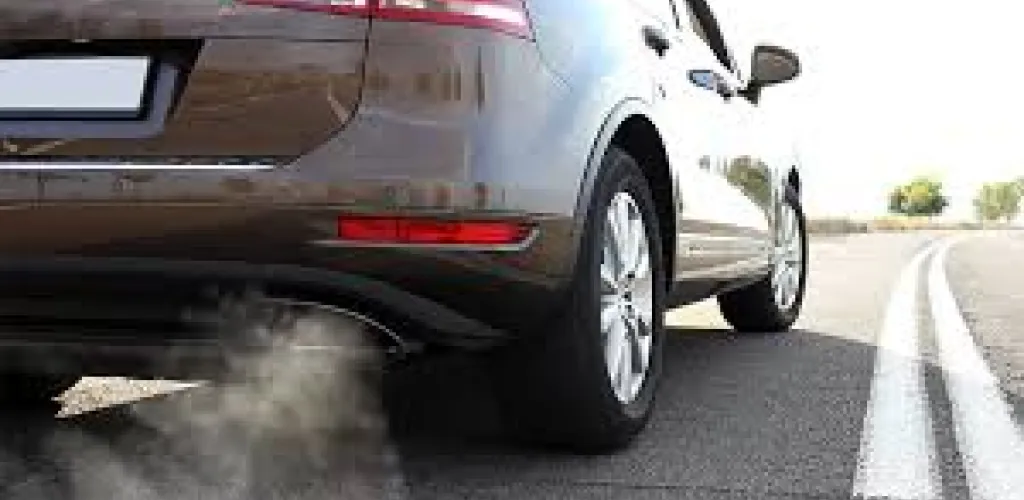
- Odometer tampering remains common; digital meters can still be reset illegally.
- Blue exhaust smoke signals engine oil burning from wear.
- Causes include worn piston rings, valve guides/seals, cylinders, or oil rings.
- Risks of manipulated mileage: safety hazards, unexpected maintenance, reduced resale value.
Odometer tampering remains one of the most common fraudulent practices in Romania’s used-car market. While modern technology has introduced digital systems to record distance traveled, illegal odometer resets continue to be a major problem. However, there are technical indicators that can reveal the true mileage of an engine, and blue smoke from the exhaust is one of the most relevant warning signs.
Technological context and the practice of odometer resetting
Modern cars are equipped with numerous sensors and advanced electronic systems that constantly monitor the vehicle’s vital parameters. Still, the digital odometer, while harder to manipulate than the classic mechanical variant, can still be reset using specialized equipment.
There are legitimate situations where drivers manually reset partial mileage (trip meter) to monitor consumption or specific distances. The problem arises when the total mileage is deliberately altered to increase the vehicle’s resale value, thereby hiding the real wear of mechanical components.
Risks of purchasing a vehicle with manipulated mileage
Purchasing a vehicle with falsified mileage carries multiple risks:
- Safety on the road: Critical suspension, steering, and braking components can be significantly worn, increasing the risk of failure while driving
- Unexpected maintenance costs: Parts that would normally be replaced at regular service intervals may fail prematurely
- Resale value: Discovering manipulation later can lead to substantial financial losses
- Overall reliability: The engine and transmission may require major repairs much sooner than expected
Blue smoke: the mechanical indicator of engine wear
What blue exhaust smoke signifies
Blue or bluish-white exhaust smoke indicates the burning of engine oil in the combustion chamber. This occurs when oil leaks into the cylinders and is burned together with the air-fuel mixture, producing a visibly characteristic smoke.
Technical causes of blue smoke
Oil burning can have several mechanical causes:
Piston ring wear: The rings seal the combustion chamber and regulate the oil film on the cylinder walls. When they wear, oil can enter the combustion chamber in larger quantities.

Worn valve guides and damaged valve seals: The valves move in their guides at very high speeds. Wear in the guides or damaged oil seals allows lubricant to leak onto the valve stems directly into the combustion chamber.
Worn or scored cylinders: The inner walls of the cylinders can wear or become scored, allowing excessive oil to pass by the rings.
Defective oil control rings: The lower oil scraper ring helps remove excess oil from the cylinder walls. A defective ring can lead to excessive oil consumption.
Correlation between blue smoke and real mileage
Normal burning versus excessive burning
In theory, any internal-combustion engine consumes a minimal amount of oil during normal operation. This consumption is usually negligible—roughly 0.5–1 liter per 10,000–15,000 km for engines in good condition.
A young engine with low mileage and proper maintenance should never produce enough blue smoke to be visible under normal operating conditions. There may be a slight bluish smoke at cold start after a long period of inactivity, but it usually disappears quickly.
The wear threshold
When a vehicle emits consistent and visible blue smoke, especially in the following situations:
- During sharp acceleration
- After prolonged deceleration (engine braking)
- On startup after a period of inactivity
- Constantly while driving
This indicates advanced wear, corresponding to a real mileage of at least 180,000–200,000 km, and in many cases the true distance may be around 300,000–400,000 km or more.
Other indicators of real mileage
For a thorough evaluation, blue smoke should be correlated with other signs of wear:
Mechanical indicators
- Oil consumption: Consuming more than 1 liter per 1,000–2,000 km indicates severe wear
- Low engine compression: Can be checked with a compression tester
- Abnormal noises: Piston rings, bearings, or timing chain rattle
- Smoke on startup: The color and intensity of smoke when starting cold
Visual indicators inside the cabin
- Wear on the steering wheel, gear knob, and pedals
- Condition of seats and upholstery
- Functioning of electronic systems
- Maintenance history in the service book
Additional recommended checks
Tests at a specialized service center
Before purchase, request:
- Compression test: Measures cylinder pressure, indicating ring and valve health
- Leak-down test: Identifies exactly where pressure losses occur
- Exhaust gas analysis: Can detect the presence of oil in the exhaust
- Computer scan: Checks error codes and parameter history
Vehicle history checks
Use history verification services:
- CARFAX or similar reports
- Checks in the RAR database
- Contacting authorized service centers for maintenance history
- Checking for mileage entries in previous ITP checks
Conclusion
Blue smoke from the exhaust remains a relevant technical indicator of the engine’s real condition, providing clear hints about the vehicle’s actual mileage. While not the sole criterion for evaluation, the presence of this symptom in a vehicle with a seemingly low mileage should raise serious questions.
Before buying a used vehicle, investing in a complete professional technical inspection can prevent costly and potentially dangerous problems in the long term. Modern technology provides advanced diagnostic tools, but solid mechanical knowledge and vigilance remain the most important defenses against fraud.
Photo credit: Autoguru