- Engine oil and filter change every 8,000–16,000 km, with sensor alerts.
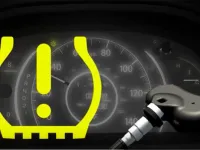
- Check tire pressure weekly and before long trips, when cold.
- Correct pressure extends tire life up to 30% and saves fuel.
- Rotate tires every 12,000 km for even wear; balance wheels if vibrations.
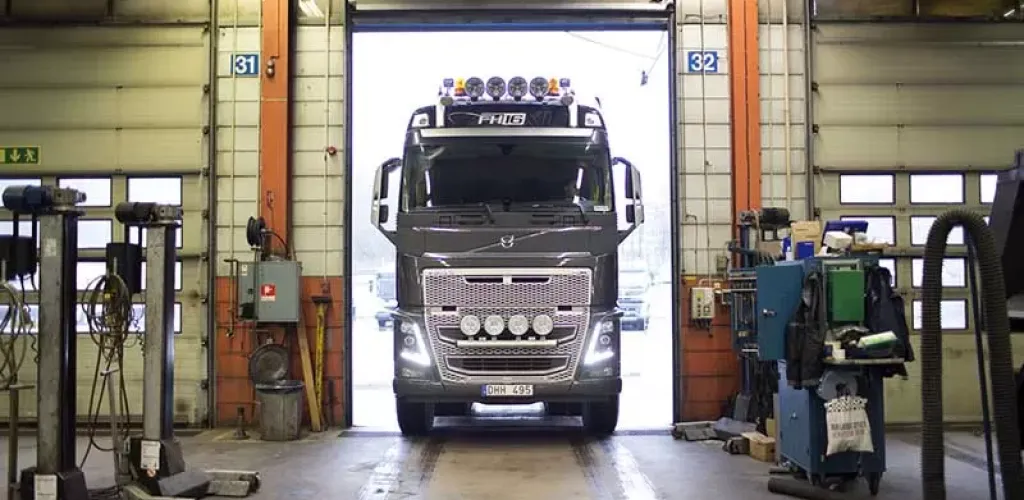
Trucks covering long distances require particular attention to the maintenance schedule. Although strictly following the recommended intervals may seem challenging for professional drivers, delaying or skipping technical checks can lead to severe failures or worsening of existing issues, with a direct impact on safety and operating costs.
Maintenance intervals vary by truck make and model, as well as by the driver’s operating style. In general, major maintenance services are scheduled every 8,000–16,000 km driven, but these figures can differ depending on manufacturer specifications and operating conditions.
Mandatory technical checks and service intervals
Engine oil and filter change
Engine oil is the vital component that ensures proper lubrication and prevents premature engine wear. For most trucks, the oil change is performed at intervals of 8,000–16,000 km, depending on the oil type (mineral, semi-synthetic, or synthetic) and the manufacturer’s recommendations.
Modern trucks are equipped with sensors that monitor oil quality and level, warning the driver when intervention is needed. It is essential not to ignore these warnings, because operating with degraded oil or insufficient level can cause serious engine damage.
With the oil change, the oil filter must be replaced. The filter retains impurities and metal particles produced by friction, and a clogged filter reduces lubrication efficiency and can allow contaminants to circulate in the engine.
Maintaining optimal tire pressure
Correct tire pressure is crucial for traffic safety, tire life, and fuel economy. Underinflated tires increase rolling resistance, fuel consumption, and risk of blowouts, especially in summer or at high speeds.
Check pressure at least with every oil change, but ideally weekly, especially for trucks covering long distances. Pressure should be checked when tires are cold, before starting a long trip.
Rims suffer accelerated wear when tire pressure is below recommended values, especially on roads with rough pavements, common on Romania’s road network. Maintaining correct pressure extends tire life by up to 30%.
Tire rotation for even wear
Because of uneven weight distribution and the different loads on each wheel, tires wear unevenly. Front axle tires handle more impact in corners and braking than rear axle tires, which carry heavier loads.
To ensure even wear and maximize tire life, rotation should be performed at a maximum of 12,000 km. This interval can be adjusted based on operating conditions - trucks mainly on highways may have longer intervals, while those operating on secondary roads require more frequent rotation.
Additional periodic checks
Wheel balancing
If you feel vibrations at the wheel or notice that the balance of the tires has changed, wheel balancing is necessary. Unbalanced wheels cause uneven tire wear, damage to the suspension system and increased fuel consumption.
Signs that wheels require balancing include:
- Vibrations at certain speeds
- Uneven tire wear
- Steering shimmy
- Increased rolling noise
Wheel alignment (wheel geometry)
Incorrect wheel alignment seriously affects the truck’s behavior on the road. If the vehicle tends to pull to one side, the steering wheel doesn’t return to center after turns, or tires wear unevenly, a check and adjustment of the geometry are required.
Parameters to check include:
- Toe – the angle between the wheels as viewed from above
- Camber – the tilt of the wheel relative to vertical
- Caster – the steering axis angle
Rough roads and pothole crossings can loosen the alignment, so periodic checks are essential, even if no obvious symptoms are present.
Replacing worn tires
Tires are consumables and must be replaced when tread depth falls below the legal limit of 1.6 mm for trucks. However, for maximum safety, it is recommended to replace when tread reaches 3–4 mm, especially for winter.
Signs that tires require replacement:
- Tread wear below minimum limit
- Cracks in sidewalls or tread
- Deformations or bulges
- Tire age (over 6–7 years, even if tread seems OK)
- Uneven wear that cannot be corrected
Interventions on wheels and rims
Depending on road conditions and driving style, occasional interventions to repair or replace damaged rims may be necessary. Bent or warped rims pose a major safety risk and must be replaced immediately.
Common issues needing attention:
- Bent or cracked rims from impact
- Loose or damaged lug nuts
- Advanced corrosion
- Missing or damaged lug nuts
Recommendations for maintaining optimal technical condition
To prevent failures and ensure the truck operates safely:
- Strictly follow the service intervals recommended by the manufacturer
- Use original or equivalent quality replacement parts
- Keep a detailed log of all interventions
- Check fluid levels and tire pressure daily
- Report any technical anomaly immediately
- Choose service centers specialized for trucks
- Adapt maintenance intervals to operating conditions
Preventive maintenance is always cheaper than major repairs caused by neglect. A well-maintained truck is not only safer, but also consumes less fuel and has lower operating costs in the long term.