- Engine wear increases clearances, shortening oil-change intervals for high-mileage engines.
- Modern engines have tighter tolerances; diesels face higher pressures.
- Worn engines burn more oil and suffer faster contamination.
- Intervals drop with wear: 12–15k new, 6–8k moderate, 3–5k advanced, under 3k.
Engine wear is an inevitable process affecting all vehicles, regardless of make or model. As miles accumulate on the odometer, the engine’s internal components begin to wear, and the clearances between parts increase. This natural phenomenon directly impacts how often you should change the engine oil.
Older and high-mileage engines require closer maintenance attention, and changing the oil at shorter intervals becomes essential for maintaining performance and longevity.
Evolution of engine architecture over time
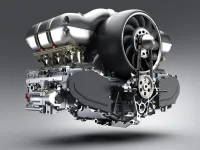
Although automotive technology has evolved considerably in recent decades, the fundamental principles of internal combustion engine operation have remained largely unchanged. A telling example is the famous Ford V8 engine, introduced in 1932, whose basic architecture is still found in modern engines today.
The valvetrain layout, piston geometry, and the basic principles of combustion have remained constant over time. What has changed dramatically are manufacturing tolerances, materials used, and auxiliary systems that optimize performance and reduce emissions.
Modern tolerances and impact on maintenance
Modern engines are designed with much tighter tolerances compared with their predecessors. This evolution has been made possible thanks to:
- Advanced metallurgical materials - stronger and more durable alloys
- Precision machining technologies - CNC machine tools with micron tolerances
- Improved thermal management systems - control of operating temperatures
- High-performance lubricants - synthetic oils with superior properties
These improvements enable higher compression ratios and superior performance, but at the same time make the engine more sensitive to oil quality and oil-change intervals.

How tolerances change as the engine wears
Engine wear is inevitable and progressive. As internal components wear, clearances between parts increase, which leads to:
Increased oil consumption
Wear of piston rings, cylinders, and valve guides allows oil to pass into the combustion chamber, where it is burned along with the fuel. This phenomenon is inversely proportional to the engine’s condition - the more worn the engine, the higher the oil consumption.

Adjustment of oil-change intervals
If initially [oil change] was done at 12,000-15,000 km for modern engines, for worn engines intervals can shorten to:
- 6,000-8,000 km for engines with moderate wear
- 3,000-5,000 km for engines with advanced wear
- Below 3,000 km for very worn engines
Accelerated oil contamination
Worn engines allow blow-by gases to enter the crankcase, contaminating the oil with combustion residues and reducing its lubricating properties.
Differences between gasoline and diesel engines
Diesel engines present specific challenges when it comes to wear and oil changes:
Specific characteristics of diesel engines
- High operating pressures - up to 200 bar in the combustion chamber
- Higher temperatures - combustion temperatures surpassing 2000°C
- Operation by auto-ignition - high compression for fuel ignition
- Specific emissions - soot particles and NOx
Impact on the oil
These extreme operating conditions accelerate oil degradation by:

- Thermal oxidation - breakdown of oil molecules at high temperatures
- Contamination with soot - solid particles that abrade components
- Formation of acids - byproducts of combustion that corrode metals

Maintenance strategies for high-mileage engines
Using high-mileage oils
For high-mileage engines, using high-mileage engine oils can bring significant benefits. These oils contain:
- Sealant additives - which reduce leaks through worn gaskets
- Improved detergents - which keep particles in suspension
- Additional antioxidants - which prevent premature oxidation
- Viscosity modifiers - which maintain properties at extreme temperatures
Monitoring oil condition
For worn engines, regular monitoring of the oil becomes crucial:
- Weekly level checks - for detecting excessive consumption
- Visual appearance analysis - color, consistency, presence of particles
- Property testing - viscosity, acidity, contamination
Adjusting oil-change intervals
Intervals should be adjusted based on:
- Total engine mileage
- Operating conditions (city, highway, towing)
- Fuel type and quality
- Seasonal and climate conditions

Signs that the oil-change interval should be shortened
Visual symptoms
- Oil is dark and viscous after only a few thousand kilometers
- Presence of metallic particles in the oil
- Visible oil leaks under the vehicle
- Blue smoke from the exhaust
Operating symptoms
- Engine metallic noises
- Oil pressure drop at idle
- Increased fuel consumption
- [emissions reduction] achieved by more frequent oil changes
Benefits of frequent oil changes
Maintaining a strict oil-change schedule for high-mileage engines offers several advantages:
Improved protection
- Reduced wear on critical components
- Prevention of bearing seizure and piston scuffing
- Maintaining gasket seal integrity
Optimized performance
- Maintaining engine power
- Reducing fuel consumption
- Quieter, smoother operation
Increased longevity
- Extended engine life
- Delaying major repairs
- Preserved resale value of the vehicle
Conclusion
Proper maintenance of high-mileage engines requires a proactive approach tailored to each vehicle. The progressive reduction of oil-change intervals, the use of specialized lubricants, and constant monitoring of the engine’s condition are essential for maintaining performance and extending engine life.
Investing in preventive maintenance through more frequent oil changes is always more economical than major repairs that can result from neglecting this crucial aspect of car maintenance.