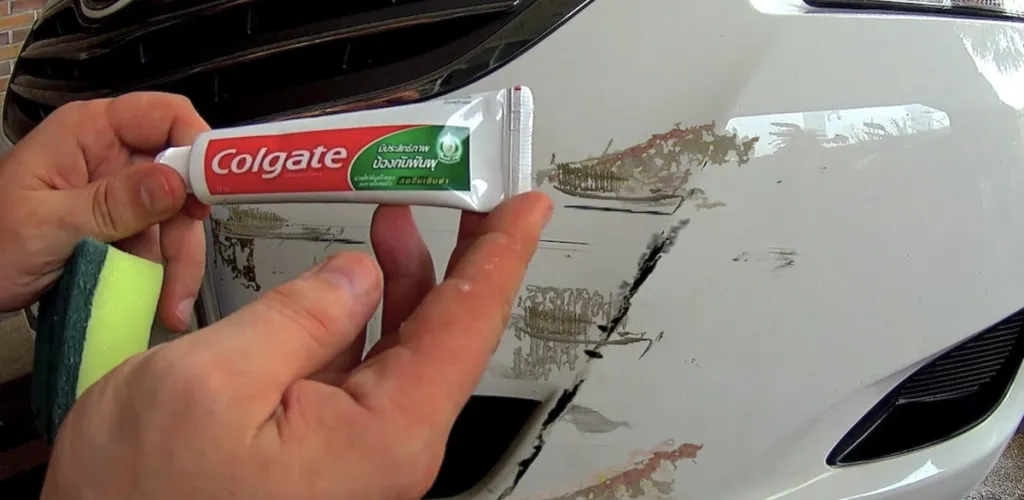
- Some scratches can be fixed at home if you only scratch the clear coat.
- Toothpaste method uses white toothpaste with baking soda for superficial scratches.
- Insect repellent can level minor scratches, but test first and wax afterward.
- Brake fluid can help older cars with oil-based paint to level scratches.
In today’s busy urban traffic, keeping your car looking pristine is a constant challenge. Surface scratches are inevitable—whether from tight parking spaces, contact with other vehicles or objects. While many drivers avoid auto shops due to high costs and the time required for cosmetic repairs, there are simple solutions you can apply at home using common ingredients.
Why scratches happen and when they can be repaired at home
Scratches on the bodywork can have various causes: heavy traffic, cramped parking where vehicles touch accidentally, careless people who pass too close to the car with various objects, tree branches or other obstacles encountered on the road. The important thing is to understand that not all scratches require a trip to a shop.
Before trying any repair method, you must determine the depth of the scratch. Run your finger over the area—if you don’t feel a significant indentation and the scratch hasn’t penetrated to the primer or metal, you can use the home methods described below. If you can see the metal or plastic underneath the paint, you will need professional painting.
Toothpaste - the simple solution for superficial scratches
Toothpaste is one of the most affordable products for removing superficial scratches. It works as a fine abrasive that levels the paint surface.
Application method:
- Wash and completely dry the affected area
- Use a white toothpaste (not gel) — preferably one with baking soda
- Apply the paste to a soft microfiber cloth
- Rub the scratched area in circular motions for 2–3 minutes
- Apply moderate, steady pressure
- Wipe off the paste with a damp cloth
- Dry the area and check the result
- Repeat if necessary
Enhanced variant: For better results, mix the toothpaste with baking soda in a 2:1 ratio. This increases the abrasive power and can remove scratches a bit deeper.
Attention: This method works only for very superficial scratches that affect only the clear coat. It will not work for scratches that reach the colored paint layer.
Insect repellent liquid - the unconventional solution
Insect repellent contains DEET (N,N-diethyl-meta-toluamide) or other solvents that can slightly dissolve the superficial oxidized paint layer and can level minor scratches.
Steps:
- Ensure the car is clean and dry
- Apply a small amount of repellent to a soft cloth
- Wipe the scratched area with gentle circular motions
- Let act for 15–20 minutes
- Wipe the area with a clean, dry cloth
- Wash the area with car soap and water
- Apply a layer of protective wax
Important note: Use this method with care and only on a small test area first. Repellent contains strong chemicals that can affect the paint if left to act too long or if applied in large quantities.
Brake fluid - the method for older cars
Brake fluid is a strong solvent that can soften the paint and help level superficial scratches. This method is especially suitable for older cars with oil-based paint.
Application procedure:
- Protect your hands with gloves
- Clean the affected area well
- Apply a small amount of brake fluid to a soft cloth
- Gently dab the scratched area — don’t rub aggressively
- Let it act for 30–60 seconds
- Wipe immediately with a clean cloth
- Rinse the area with water and detergent
- Dry and apply protective wax
Warning: Brake fluid is very aggressive and can damage modern waterborne paints. Always test on a hidden area before applying to scratches. Do not allow the fluid to run onto other parts of the body.
Other effective methods
Special car wax
Quality wax can fill in very fine scratches and protect the bodywork from oxidation. When applied regularly, wax helps prevent rust in scratched areas.
Scratch repair kits
There are specialized kits on the market that contain:
- Color-match touch-up paint for the car
- Clear coat
- Application brushes
- Fine sandpaper
- Finish polish
These kits offer superior results to improvised methods and are recommended for more visible scratches.
The importance of repairing scratches quickly
Even if scratches seem like minor cosmetic defects, neglect can lead to serious problems:
Oxidation and rust: Scratches that reach the metal expose the body to moisture and oxygen, initiating the corrosion process. Rust can spread under the paint and cause significant structural damage.
Increased costs: A simple scratch repaired promptly costs far less than repairing a rusted area that needs anti-corrosion treatment, plastering, and a full repaint.
Resale value: Cars with well-maintained bodywork have a higher market value. Visible scratches can reduce the sale price by hundreds or thousands of euros.
When to go to a professional service
Go to a body shop if:
- The scratch is deeper than 0.5 mm
- You can see metal or plastic under the paint
- The scratch runs across a large surface
- There are signs of rust
- Home methods fail to deliver results
- The car is new or of high value
For deep scratches on metal elements such as doors, hood, fenders, or side panels, professional repair is essential to prevent long-term corrosion.
Preventing scratches
The best ways to avoid scratches:
- Keep a safe distance when parking
- Use door edge guards
- Apply protective film on exposed areas
- Regularly wax the car for a protective layer
- Avoid parking under trees
- Be mindful of obstacles in parking lots
Conclusion
Repairing superficial scratches does not have to be costly or complicated. With simple household ingredients — toothpaste, insect repellent, or brake fluid — you can remove minor cosmetic defects and protect the bodywork from further damage. The key is to act quickly before scratches progress to rust areas that require much more expensive professional interventions.