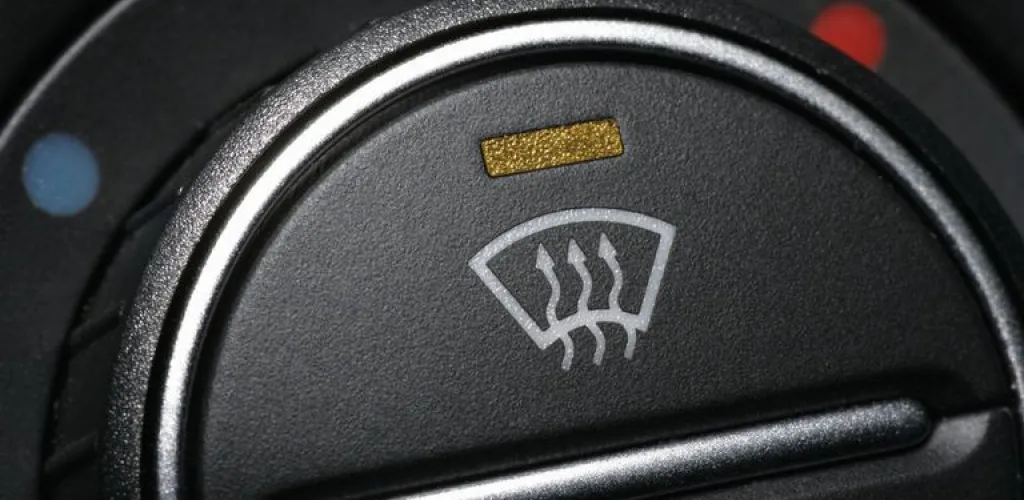
- System uses metal heating wires, a relay, and a timer that auto-stops after 10–15 minutes.
- Provides rapid de-icing in about 10 seconds and requires no engine heat.
- Helps prevent window fogging and improves visibility in wet or cold conditions.
- Variants include heated rear windows (standard), heated windshields (premium), plus heated side windows and mirrors.
Windshield and rear window heating systems are among the most useful innovations for driver comfort and safety in cold weather. This simple yet effective technology makes winter driving more comfortable by eliminating manual ice scraping and significantly reducing the time it takes for the vehicle to be ready for use.
The operation of this system is based on a fundamental electrical principle, and its benefits extend beyond de-icing to improve visibility in various weather conditions.
Principle of operation of heated windows
Essential components of the system
- Metal heating wires - integrated into the glass during manufacturing
- Activation button - typically marked with a spiral symbol
- Control relay - which manages the power supply
- Timer - which automatically stops the system after 10-15 minutes
- Electrical connections - that carry current to the wires

Benefits of the window heating system
Rapid de-icing in winter
When the thermometer reads below freezing and the windshield is iced or snow-covered, you have two options: stand in the cold and manually scrape the ice while the engine warms up, or press a button and watch from the comfort of your car as everything becomes clear in about 10 seconds.
The electrical heating works immediately, unlike the classic defogging system which depends on the engine heating up. This means you no longer have to wait several minutes for the engine to warm up enough to produce warm air.
Elimination of window fogging
The system is very efficient even when the windows fog excessively due to the temperature and humidity differences between the interior and exterior. This problem occurs frequently:
- In the morning, when you get into a cold car with wet clothes
- After rain, when air humidity is high
- In winter, when passengers’ breath creates condensation on the windows
- In tunnels or damp underground parking
Improving driving safety
Clear visibility is essential for safe driving. The heating system contributes to:
- Elimination of blind spots caused by partially melted ice
- Reducing the risk of accidents by improving visibility
- Reducing the stress of driving with reduced visibility
- Saving time at the start of winter journeys
Types of heated windows in modern cars
Heated rear window - industry standard
The rear windshield is the most common heated glass, standard on most cars in the last 20 years. The metal wires are visible as thin horizontal lines.
Windshield heating - premium technology
Heated windshields use wires so thin that they are practically invisible, maintaining optimal visual clarity. This technology is found mainly on:
- Premium and luxury cars
- Vehicles intended for regions with cold climates
- Models equipped with winter packages
Heated side windows and exterior mirrors
Many new cars come equipped with heating in side windows and exterior mirrors. These systems use wires so thin that they cannot be seen with the naked eye, even if you look quite closely.
Common problems and maintenance
Damage to heating wires
The most common problem is the breaking or interruption of the metal wires. If any wire breaks, the system will not operate properly in that area. This can happen due to:
- Accidental scratches with sharp objects
- Normal wear over time
- Repeated thermal shocks
- Manufacturing defects
Signs of failure
- Zones that remain icy or foggy
- Intermittent operation of the system
- Increased current consumption with no visible effect
- The LED turning on without actual heating
Maintenance tips
To extend the life of the system:

- Avoid scratching the glass with hard objects
- Clean gently with soft cloths and electronics-safe products
- Periodically check the operation of the activation button and the timer
- Promptly repair broken wires at a specialized service
Power consumption and efficiency
The windshield heating system has moderate power consumption, typically between 15-30 amps, depending on the heated area. For this reason, most systems are equipped with timers that automatically shut off after 10-15 minutes to prevent battery drain.
For maximum efficiency, it is recommended:
- Turn on the system only when necessary
- Turn off manually when the glass is clear
- Avoid using it simultaneously with other high-power consumers (air conditioning, headlights)
Photo source: carsguide.com.au, lifewire.com