- Buying a used car with aftermarket parts can be risky and potentially unsafe.
- Aftermarket filters can let more dust in, trigger CEL, and affect emissions.
- Exhaust mods may lack components, risking safety, failed emissions, or fines.
- Require receipts, documentation, and mechanic inspection for superchargers/turbos.
When you’re buying a used car, the selection process becomes considerably more complex compared with buying a new car. One of the critical decisions you must make is whether to consider vehicles that have been modified with aftermarket parts.
There are essential factors to consider before you begin the actual search for a car. Understanding these factors can save you headaches and costly problems in the long run.
Is it risky to buy a car with aftermarket components?
The answer to this question is YES; in some cases it can be dangerous to purchase a vehicle with aftermarket components installed by the previous owner or in an unqualified workshop. However, there is a fine line between cars modified in a safe and professional manner and those modified unprofessionally or even illegally.
Certain components can increase the car’s value for the right buyer, while others can bring serious safety, reliability, or legality issues. Therefore it’s crucial to be informed about replacement parts and possible modifications.
Cold air intake systems or RAM air intake
Promises vs. reality
These systems are frequently installed and marketed as capable of reducing fuel consumption and increasing engine power. Unfortunately, the reality is often different.
Common problems
A major drawback is that many owners replace the factory air filter with a washable and reusable one. These aftermarket filters:
- Can allow more dust to enter the engine
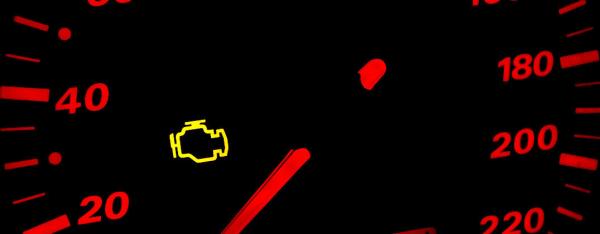
- Can trigger the Check Engine light
- May lead to non-compliance with emissions regulations due to improper installation of the mass air flow sensor
- Affect the calibration of the engine management system
Exhaust systems and performance mufflers
What to check
These systems are marketed as parts that increase power and give the car a more aggressive sound. It is essential to determine if:

- Only a single muffler was installed to change the sound
- The entire exhaust system has been replaced with a reliable and legal brand
- All necessary components are present and functional
Risks of incomplete systems
If the exhaust system is missing critical components such as:
- The oxygen sensor
- Catalytic converter
- Other emissions control components
Then the vehicle can become:
- Dangerous to drive
- Unable to pass emissions tests
- Susceptible to fines or legal issues
Recommendation: Always check installation receipts from manufacturers or reputable workshops. In the absence of documentation, request an inspection by a trusted mechanic.
Aftermarket superchargers and turbochargers
Maximum caution required
Whenever a vehicle is equipped with a forced-induction configuration that was not factory-fitted, there must be:
- Complete documentation of the work
- Warranty offered by the owner
- Proof that the work was performed by a reputable source
Why they are problematic
Vehicles with such modifications:
- Are extremely powerful and require modifications to safety equipment
- Often not legal for road use
- Require specialized and costly maintenance
- Can have long-term reliability issues
Tip: If you’re not looking for a race car, it’s better to avoid vehicles with such systems.
Turbocharged vehicle components
Common modifications on turbocharged vehicles
In cars equipped with factory turbochargers, owners may install:
- Aftermarket blow-off valves
- Higher-performance intercoolers
- Shorter intake runners
- Upgraded boost pipes
Impact on performance
Quality aftermarket parts can:
- Improve the driving experience
- Provide a quicker and more precise response
- Increase the turbo system’s efficiency
Important: All these systems must be installed properly by specialists to avoid issues.

Suspension and wheel modifications
Aesthetics vs. functionality
A set of aftermarket wheels and a lowered suspension can make the car look spectacular, but it comes with:
Additional costs
- Higher tire costs (uneven wear)
- More frequent replacements of suspension components
- Alignment and tuning costs
Vehicle risks
A car lowered too much can lead to:
- Damaging the exhaust system
- Damaging bumper bars
- Cracking important engine components, such as the oil pan
- Premature tire wear
- Issues when driving over obstacles

How to spot a modified car
Visible cues
When inspecting a car, watch for these signs:
Auditory indicators:
- Louder exhaust note
- Unusual sounds during acceleration
- Turbo system whistling specific to modified setups
Visual indicators:
- Conical air filter (visible in the engine bay)
- Visibly altered suspension (lower ride height)
- Mismatched paint, especially around spoilers or bumper bars
- Steering wheel different from the original
- Aftermarket wheels (usually larger than stock)
Checks in the engine bay
- Components that look new or different from the rest of the engine
- Additional hoses and wiring
- Labels or brands of aftermarket parts
- Missing original components
Impact on the car’s value
Market reality
Contrary to many owners’ expectations:
- Most modifications decrease the car’s value
- Unmodified vehicles are considered more valuable
- Modifications can limit the number of potential buyers
- Additional maintenance costs discourage many buyers
Exceptions to the rule
Modifications can increase value only if:
- They are executed professionally
- They use higher-quality parts
- They are fully documented
- They target a specific segment of passionate buyers
Legal and safety aspects
Legal risks
Improper modifications can lead to:
- Non-compliance with emissions regulations
- Problems obtaining ITP (roadworthiness inspection)
- Fines from road authorities
- Issues with insurance in case of an accident
Safety risks
Improperly installed aftermarket parts can compromise:
- Braking systems
- Vehicle stability
- Operation of safety systems
- Long-term engine reliability
Recommendations for buyers
Before purchase
- Professional inspection: Take the car to a trusted mechanic for a full check
- Documentation: Request all receipts and documents for modifications
- Research: Learn about the model’s original specifications
- Extended test drive: Test the car under varying conditions
During negotiation
- Use the modifications as a negotiating point to reduce the price
- Request additional warranties for modified components
- Clarify all aspects related to the legality of the modifications
After purchase
- Schedule a full service check with a specialist
- Check compliance with current regulations
- Document all modifications for future service
The conclusion is that, although many aftermarket components can improve a car’s performance, it is essential that you, as the buyer, are aware of these modifications and ensure they were installed properly. A pre-purchase inspection can be the smartest investment you make.