- LPG costs up to 50% cheaper than petrol.
- CO2 emissions about 15% lower; particulates nearly nonexistent.
- Most LPG cars are bi-fuel, enabling petrol use for longer range.
- Notable LPG models include Dacia Logan, Opel Zafira Tourer, and Fiat Panda and Punto.
LPG cars (Liquefied Petroleum Gas) represent one of the smartest solutions for drivers who want to combine savings with environmental respect. With fueling costs up to 50% lower than petrol and significantly reduced pollutant emissions, these vehicles have gained immense popularity in Europe.
In this guide, we explore the best LPG models of all time, analyzing technical features, maintenance costs, and the performance that has made them legendary among economy-minded drivers.
Fundamental advantages of LPG cars
Fuel LPG offers numerous benefits over traditional petrol. The pump price is substantially lower - in Romania, the difference can reach 2-3 lei per liter. Technically, LPG burns cleaner, reducing deposits in the engine and extending component life.
CO2 emissions are about 15% lower than petrol, and particulate emissions are nearly nonexistent. Additionally, most LPG cars are bi-fuel, allowing switching to petrol when necessary, providing an impressive combined range.
Dacia Logan LPG - The affordable champion
Dacia Logan has established itself as one of the smartest LPG choices in Eastern Europe. The 1.4 MPI engine with 75 CP works flawlessly with gas, offering remarkable reliability and minimal maintenance costs.
The standard LPG system, developed in partnership with Italian specialists, guarantees trouble-free operation. Consumption ranges from 7-9 liters/100 km on LPG, and the 45-liter tank ensures an autonomy of over 500 km on gas alone.
Key strengths include generous interior space, a 510-liter boot, and availability of spare parts at affordable prices. The Logan LPG remains a safe investment on the used market.

Opel Zafira Tourer 1.4 Turbo LPG - a solution for families
This MPV variant combines turbo technology with LPG efficiency in an exemplary way. The 1.4 ECOTEC Turbo engine with 140 CP maintains performance even on gas, delivering decent acceleration and comfortable highway speeds.
The 7-seat configuration and FlexFold system make the Zafira a versatile choice for active families. Fuel consumption on LPG sits around 8-10 liters/100 km, considerably more economical than petrol equivalents.
The sequential gas injection system is perfectly integrated into engine management, ensuring imperceptible transitions between fuels and maintaining optimal performance.
Fiat Panda and Punto LPG - Italian mastery
The Italians have been pioneers in LPG technology, and Fiat has refined it over the decades. Panda, with the 0.9 TwinAir LPG engine of 80 CP, combines the perfect city car with substantial fuel savings.

Punto LPG, equipped with the 1.4 77 CP engine, offers an excellent balance between urban performance and economy. The EcoDrive system continuously monitors consumption and provides tips for optimized driving.
Both models benefit from a compact design that makes them ideal for congested city conditions, and maintenance costs remain highly competitive. Fiat’s proverbial reliability in LPG makes them recommended for any economical driver.
Renault Clio LPG - French elegance meets economy
The Clio in LPG 1.2 16V represents the perfect compromise between French style and economic pragmatism. The 75 CP engine runs smoothly on gas, providing adequate acceleration for urban and extra-urban traffic.
The interior quality, with upscale materials and well-thought-out ergonomics, makes the Clio a pleasant car to drive daily. A quality audio system and efficient air conditioning complete the driving experience.
GPL consumption is around 6-8 liters/100 km in mixed conditions, and the reliability of the gas fueling system is proven by thousands of kilometers logged by satisfied owners.
Volkswagen Golf BiFuel - Optimized German engineering
Golf 1.6 BiFuel demonstrates that German engineering can be economical too. The bi-fuel system is factory-installed, with advanced electronic control that continuously optimizes the mixture and ignition timing.
The 1.6 MPI 102 CP engine preserves Volkswagen traits - extreme reliability, smooth operation, and long-term durability. The automatic transition between LPG and petrol is imperceptible to the driver.
Golf LPG benefits from all the advantages of the standard model: predictable handling, high-quality finishes, and strong resale value. The climate control system and passive safety features complete the package.
Hyundai i20 and i30 LPG - Korean technology adapted to Europe
The Korean manufacturer has developed LPG systems specifically for the European market, offering extended warranty also for the gas system components.
The i20 LPG with a 1.4 84 CP engine is perfect for urban environments.
The i30 LPG, with a 1.6 124 CP engine, extends the range, providing additional space and increased versatility.
Both models benefit from the Blue Drive technology, which optimizes consumption through intelligent engine management. Generous standard equipment includes a touchscreen multimedia system, parking sensors, and automatic climate control, making these models a balanced choice for modern families.
Chevrolet Aveo LPG - The American surprise
Although the brand is no longer active in Europe, the Aveo LPG remains an interesting option on the used market. The 1.4 ECOTEC 101 CP engine works well with LPG, delivering decent performance and minimal operating costs.
The simple, functional design, generous interior space for its class, and proven mechanical reliability make it a good choice for pragmatic drivers. Aftermarket LPG systems installed by official representatives ensure optimal operation.
Availability of spare parts and low service costs make the Aveo LPG a car with no budget surprises.
Technical considerations for choosing an LPG car
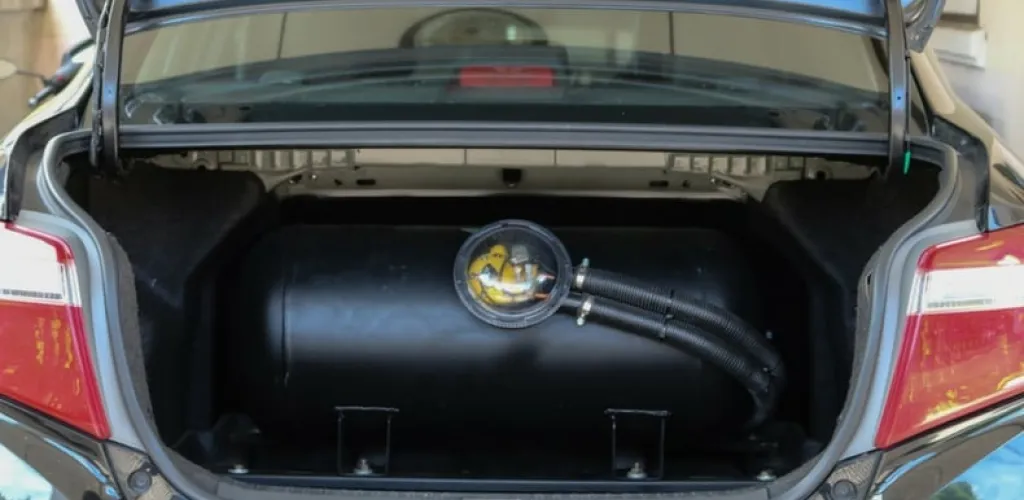
When evaluating an LPG car, always check the toroidal tank condition — it must be replaced at 10 years or per local regulations. LPG injectors require periodic cleaning to maintain optimal performance.
New-generation systems with direct injection into the intake manifold offer superior performance and lower consumption. Avoid LPG systems mounted on engines with direct petrol injection, which can pose valve deposit problems.
Check the certification of the LPG system and compliance with safety standards. A correctly installed and approved system guarantees safety and long-term optimal operation.
Conclusion - the smart investment in economical mobility
LPG cars represent one of the smartest solutions for reducing transportation costs without major compromises in performance or comfort. The models presented in this guide have proven over time that economy and reliability can go hand in hand.
Whether you opt for a new model with factory LPG or a used car with a quality aftermarket system, the investment pays off quickly through fuel savings. Choosing an LPG car is a smart financial decision for any driver who travels more than 15,000 km per year.