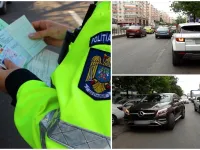
- European and Romanian pet transport laws penalize improper transport with fines
- Crates are safest: proper size, secure anchoring, and ventilation
- Alternatives include large-dog harnesses and partition barriers for security
- Gradual acclimation and motion sickness management improve travel safety
Traveling with pets has become increasingly common across Romania and Europe, but many people are unaware of the legal rules and safety measures required. Improper pet transport can lead to substantial fines and, more importantly, to road accidents with serious outcomes.
As a responsible driver, it is essential to know and comply with all current laws to keep all vehicle occupants, including your pets, safe.
Legal regulations for transporting animals
In most European countries, including Romania, there are strict regulations regarding transporting animals in vehicles. Legislation views animals not properly transported as a major distraction, similar to using a mobile phone while driving.
The penalties can include:
- Fines ranging from RON 300–1,500 in Romania
- Demerit points on the driver’s license
- In extreme cases, suspension of the right to drive
In some states such as Germany or Austria, fines can reach up to €5,000 for improper transport of animals, especially if this contributes to a crash.
Safety equipment for animals
Transport crates
A transport crate is the safest method for transporting animals. It should meet the following criteria:
- Appropriate dimensions: The animal should be able to stand up and turn around
- Secure fixation: The crate must be anchored using seat belts or cargo area tie-downs
- Adequate ventilation: To prevent suffocation and overheating
- Durable materials: Capable of withstanding impact in the event of an accident
Alternatives to crates
Safety harnesses: For large dogs, there are special harnesses that attach to seat belts. They provide limited freedom of movement but keep the animal secure.

Partition barriers: Useful for separating the animal compartment from the driver’s area, especially in large vehicles or estate cars.
Preparing the animal for travel
Gradual acclimation
Before a long trip, it is crucial to gradually acclimate the animal to car travel:
- Short walks (5–10 minutes) to observe reactions
- Trips of 30–60 minutes to assess tolerance
- 2–3 hour trials before long journeys
Managing motion sickness
Motion sickness in animals is a common issue that can be managed by:
- Consulting a veterinarian for anti-nausea medications
- Avoiding feeding 2–3 hours before departure
- Maintaining a comfortable temperature in the vehicle
- Frequent breaks for fresh air and exercise
Travel equipment
Comprehensive equipment list
For feeding and hydration:
- Regular food (adequate amount + spare)
- Bowls for water and food
- Fresh water in sufficient quantity
- Treats and rewards for calm
For comfort and safety:
- Blankets or towels with a familiar scent
- Favorite toys to reduce stress
- Biodegradable poop bags
- Animal first aid kit
Required documentation:
- Health certificate with up-to-date vaccinations
- European pet passport (for international travel)
- Proof of ownership (registration certificate)
- Pet insurance policy (if any)
Safety during travel
Correct positioning in the vehicle
Forbidden places for animals:
- Front seat (major risk in case of airbag deployment)
- On passengers’ laps (risk of injury on impact)
- In the trunk of vehicles without a divider (risk of suffocation)
Recommended positions:
- Rear bench, crate secured with seat belts
- Estate car cargo area with a protective barrier
- Rear seat with a harness connected to the belt
Risks to avoid
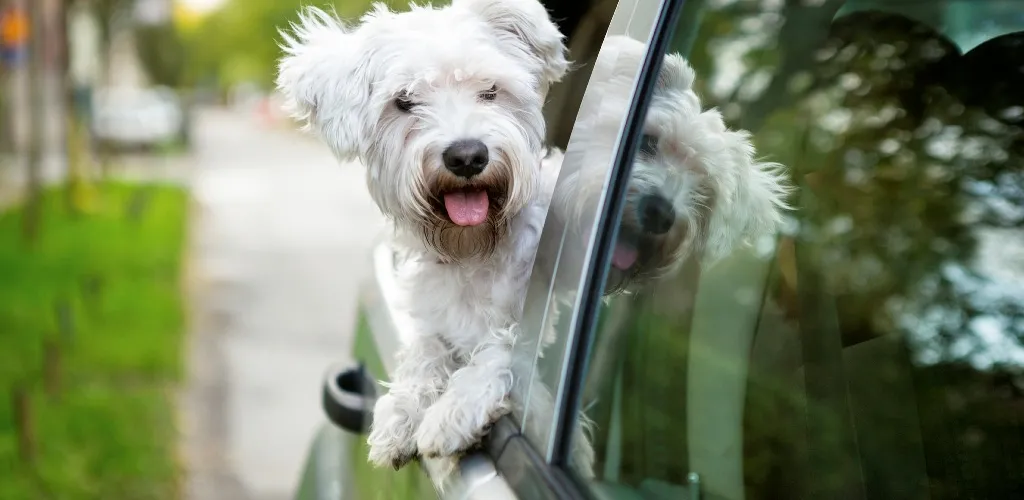
Head out the window: Allows particles to enter eyes and ears, plus risk of injury
Loose animal in the vehicle: Can interfere with driving, may be projected in an accident
Leaving it alone in the car: Illegal in most countries, risk of heatstroke or hypothermia
Required breaks and stops
Frequency of stops
For long trips, stops are recommended at:
- Every 2 hours for large dogs
- Every 1.5 hours for small dogs and cats
- Every 45 minutes for older animals or those with health issues
Activities during breaks
- Short walks for exercise and bathroom needs
- Hydration and light feeding if necessary
- Checking overall health
- Ventilation and temperature check
International travel with animals
Required documentation
For travel within the EU it is mandatory:
- European companion animal passport
- Identification microchip
- Valid rabies vaccination
- Antiparasitic treatment (for certain countries)
Border checks
At border crossings, authorities may verify:
- Document validity
- Animal health status
- Compliance with quarantine periods
- Conformity with local regulations
Emergency situations and first aid
Warning signs
Hyperthermia (overheating):
- Rapid and labored breathing
- Excessive drooling
- Lethargy or extreme agitation
- Vomiting or diarrhea
Hypothermia (excessive cooling):
- Uncontrolled shivering
- Slowed breathing
- Lethargy and drowsiness
- Cold extremities
Emergency measures
- Immediate safe stop
- Remove the animal from the vehicle
- Contact the nearest veterinarian
- Provide first aid per the veterinarian’s instructions
Tips for different animal types
Large dogs
- Require crates or special barriers for the cargo area
- More frequent breaks for exercise
- Higher temperature sensitivity due to body mass
Small dogs
- Can use compact crates on the rear seat
- More sensitive to temperature changes
- Requires careful handling to avoid injuries
Cats
- Prefer enclosed and darker spaces for transport
- More stressed by travel than dogs
- Need access to a litter box for very long trips
Exotic animals
- Require specialized transport equipment
- Stricter legal regulations for transport
- Extensive veterinary documentation for international travel
Transporting animals safely requires preparation, appropriate equipment, and strict compliance with regulations. Investing in the right gear and time spent on preparation will ensure enjoyable and safe journeys for all vehicle occupants.