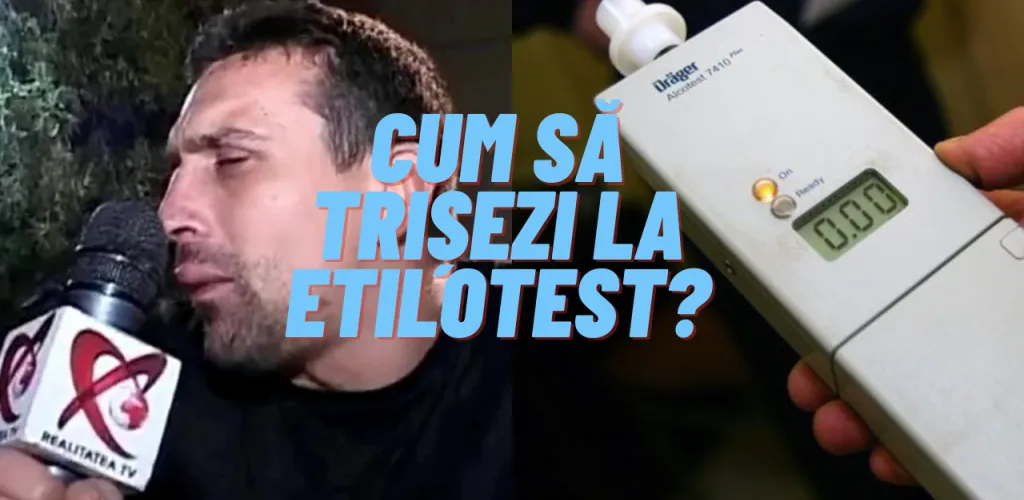
- Breathalyzer tricks can’t mask alcohol; concentration is not affected by herbs.
- Garlic, parsley, and mint gum tests still show alcohol.
- Țuică and garlic test also fail; readings can rise due to odor.
- Modern breathalyzers measure exhaled alcohol, not smell; some substances may interfere.
Officer Tavi Perțea, one of the best-known figures among Romania’s law enforcement, is valued for his friendly and direct approach toward drivers. Beyond his exemplary conduct and honest attitude, he consistently offers practical advice for all motorists, educating the public through his YouTube channel.
In his spare time, the Oradea-based officer decided to test some of the most widespread myths circulating online about the possibility of fooling the breathalyzer. It’s important to note that the test was conducted strictly for educational and entertainment purposes, not to encourage irresponsible behavior behind the wheel.
Testing myths about the police breathalyzer
In an informal experiment, the Oradea-based officer decided to test some of the most widespread myths circulating online about the possibility of fooling a breathalyzer. It’s important to note that the test was conducted strictly for educational and entertainment purposes, not to encourage irresponsible behavior behind the wheel.
The garlic and parsley myth
The first test involved consuming half a glass of wine, followed by parsley and waiting for a few minutes. The theory argues that the strong aromas of these plants could mask the presence of alcohol. Result: the device immediately registered a breath alcohol level of 0.33 mg/L, confirming the presence of alcohol in the body.
The mint gum test
The second experiment included drinking a glass of beer, followed by chewing a strongly mint-flavored gum. The idea behind this myth is that menthol could neutralize the odor of alcohol in the mouth. Unfortunately for supporters of the theory, the result was again positive, with the device detecting the presence of alcohol without issue.
Testing with țuică and garlic
In a final check, conducted on a different day, the officer consumed a glass of țuică and ate garlic. This test again confirmed the ineffectiveness of the popular ‘tricks’ — the device detected the alcohol, possibly even recording a higher value due to the strong odor.
Why these ‘tricks’ don’t work
Modern breathalyzers are designed to detect the concentration of alcohol in the exhaled air, not its smell. Blood alcohol is eliminated by the lungs in direct proportion to the level in the body, and this concentration cannot be masked by other substances consumed.

- Aromatic herbs, gum or other substances can only modify the breath smell, but do not influence the actual concentration of alcohol in the exhaled air. In some cases, these substances can even interfere with the device’s operation, leading to readings that are erroneously high.
Consequences of driving under the influence of alcohol
Driving under the influence of alcoholic beverages represents one of the main causes of serious road accidents in Romania. The effects of alcohol on driving ability include:
- Slower reaction time
- Impaired motor-visual coordination
- Decreased concentration
- Altered perception of distances and speeds
- Increased tendency to take risks
Legal penalties
In Romania, penalties for driving under the influence are severe:
- Alcohol level between 0.40-0.80 mg/L: fine and suspension of the license
- Alcohol level above 0.80 mg/L: criminal case and suspension of the license
- Refusal to test: penalties similar to those for high alcohol levels
Expert’s conclusion
Tests conducted by Officer Tavi Perțea clearly show that there are no effective methods to fool breathalyzer devices. The only way to avoid legal trouble and, more importantly, to protect your life and that of others on the road is not to drive at all after consuming alcoholic drinks.
Regardless of the amount consumed — whether a single glass or several — alcohol impairs the abilities needed for safe driving. Alternatives such as public transport, ride-sharing services, or designating a driver who has not consumed alcohol are always safer and more responsible options.
