- Brokers control over half of Romania’s used-car market (~55%), outranking authorized dealers
- Systematic tax evasion; brokers don’t pay VAT or hire staff, skewing competition
- No warranties, possible mileage tampering, concealed history, and no post-sale support
- 55% of buyers face hidden defects, inflated prices, legal risk, and safety concerns
Romania’s used-car market hides a surprising reality: car brokers control more than half of all transactions, far outpacing authorized dealers. This situation raises serious questions about transaction transparency, consumer safety, and the fiscal impact on the national economy.
We have all encountered or heard about brokers—individuals who deal in selling cars. While the definition may seem simple, the reality is much more complex. Any owner may sell their car personally or help a friend do the same, but that does not automatically make them a broker.
Difference between a car broker and an ordinary private individual
The defining characteristic of a broker is the high volume of transactions. They sell a substantial number of cars, generating significant sums that have come to represent over 55% of Romania’s car market. This figure is truly alarming — brokers sell four times more cars than the total authorized car dealers in our country.
To understand the magnitude of this problem, let us compare with Germany, a country with a more developed auto industry. In Germany, 79% of automobiles are sold by authorized dealers, while only 21% are by private individuals. Moreover, private-party car trading is prohibited in Germany, being allowed exclusively for selling one’s personal car.
Many German citizens prefer to sell their cars directly to dealers, who then handle finding a new owner. This practice ensures transparency and safety in transactions.
Negative impact of brokers on the economy and consumers
Tax evasion
The main issue with broker activity is systematic tax evasion. They do not pay VAT, do not establish companies that contribute to the state budget, do not hire staff, and do not pay rents for commercial spaces. This creates unfair competition for authorized dealers who comply with all fiscal obligations.
Lack of warranties and transparency
Cars sold by brokers carry major risks:
- They do not come with warranties
- Mileage is frequently altered
- Vehicle history is concealed or falsified
- There is no post-sale support
Consequences for consumers
These practices mean that 55% of Romanians who buy used cars are exposed to:
- Purchasing vehicles with hidden defects
- Paying prices that are not justified by the true value
- Lack of legal protection in case of problems
- Safety risks on the road
Case study: brokers’ extreme profitability
To illustrate the scale of the problem, let us analyze the case of a Volkswagen Touareg that demonstrates how this industry operates.
Initial stage - total loss
In May 2016, the vehicle was declared a total loss following a serious accident. The images show severe structural damage that would have made the car unmarketable.
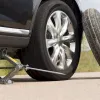
Car damaged beyond repair in May 2016.

Repair and resale
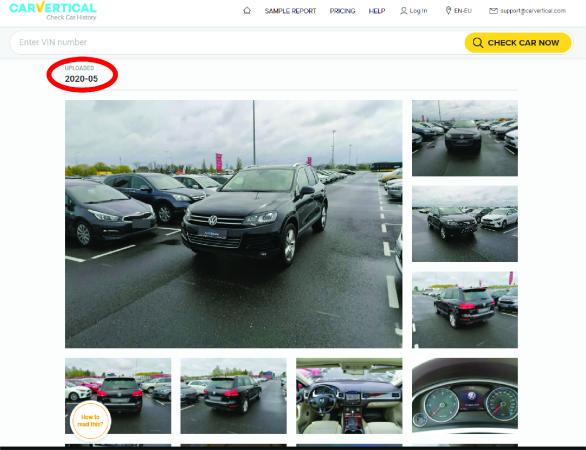
In May 2020, the same car appears for sale again, fully rebuilt and presented as being in impeccable condition, at a price identical to that of a Touareg without accident history.
Car fully rebuilt - May 2020 re-listed for sale
Financial analysis
Numbers speak for themselves:
- Purchase price: 7,200 dollars (total-loss state)
- Selling price: 17,650 dollars (after 4 years)
- Gross profit: 10,450 dollars
Below you can see how the car was bought after the damage for only 7200 dollars and subsequently sold, 4 years later, for 17650 dollars.
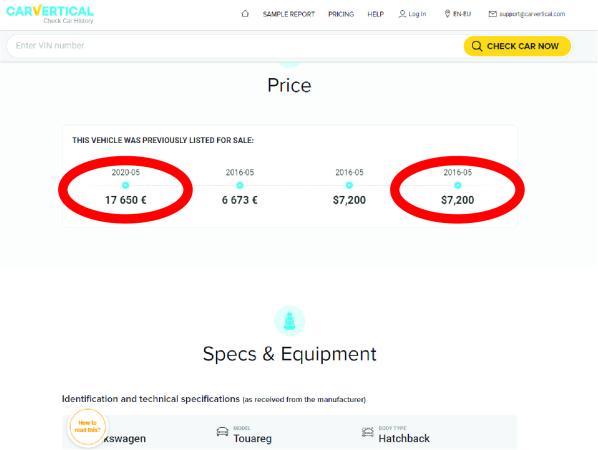
Although the profit was not entirely 10,450 dollars due to repair costs, the serious issue is hiding the damage history. Total-loss vehicles end up being sold at the same price as cars without accident history.
When does a car become a total loss
A car is declared total loss in two situations:
- Repair costs exceed 80% of the vehicle’s value
- The structural integrity is compromised
In both cases, occupant safety is compromised, and the vehicle should not circulate on public roads.
Road safety risks
Samsarii pose a serious danger to society from several perspectives:
Road safety
- Vehicles with compromised structural integrity do not provide adequate protection in a crash
- Safety systems (airbags, ABS, ESP) can be affected by improvised repairs
- The vehicle’s dynamic behavior can be unpredictable
Economic impact
- Massive tax losses for the state
- Unfair competition for legitimate dealers
- Hidden costs for owners who discover problems later
How you can protect yourself from broker practices
Protection against these shady practices depends on each consumer’s vigilance:
Vehicle history verification
The most important step is a thorough check of the car’s history before purchase. This includes:
- Verifying the chassis/VIN in international databases
- Checking real mileage
- Identifying previous accidents
- Verifying total-loss status
Safe sources of purchase
- Authorized dealers with warranties and post-sale support
- Verifiable private individuals selling their own car
- Transparent platforms that provide complete vehicle information
Warning signs
- Unreasonably low prices
- Lack of complete documentation
- Refusal of independent technical checks
- Pressure to close the deal quickly
Professional vehicle verification
For complete protection, we recommend using professional auto-history verification services. With a small investment, you can obtain crucial information about your prospective car by entering the VIN in specialized platforms.
These services provide access to:
- Complete history of damages and accidents
- Verification of real mileage
- Legal status of the vehicle
- Information about previous owners
- Data about technical inspections
The solution to the brokers problem can only come through consumer education and vigilance by every buyer. Only through thorough checks and responsible purchases can we combat these harmful practices and build a transparent and safe auto market for all participants.