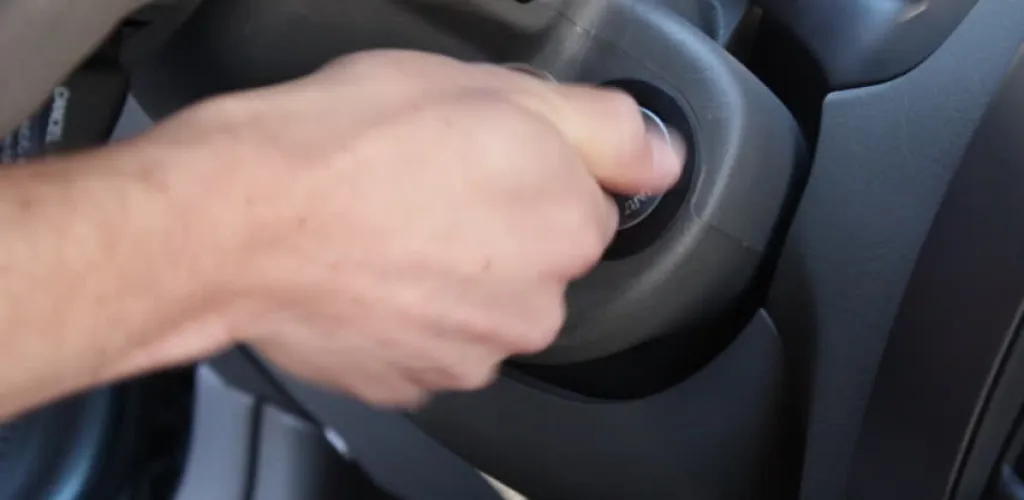
- Turning the key with the engine running causes a speed mismatch and grinding noise.
- Repeated attempts wear gears, damage the flywheel teeth, and can crack metal.
- Long-term risks include starter damage (gears, solenoid, brushes) and flywheel surface deformation.
- Repair costs can reach 800-2000 lei for starters and 1500-4000 lei for flywheels.
Many drivers have faced this unpleasant situation: due to inattention or fatigue, they try to start a car that is already idling. The result is a loud and worrying noise coming from the engine area, signaling a serious issue in the starting system. Although this mistake may seem minor, repeating it can cause costly damage to essential components.
Modern vehicles with start-stop systems have built-in protections against this error, but older cars remain vulnerable. Understanding the mechanism behind this incident can help you avoid expensive repairs and protect your vehicle’s starting system.
How the engine starting system works
Each vehicle is equipped with a starter motor — a compact electric motor that initially initiates the operation of the main engine. This starter motor is active only during starting and remains inactive during normal running.
Step-by-step starting process
- Solenoid activation: A solenoid directly coupled to the starter motor receives electrical power
- Engaging the flywheel: The starter motor engages the engine’s flywheel through a gear train
- Speed multiplication: The transmission system amplifies rotation to reach the speed required for starting
- Automatic disengagement: After the engine starts, the starter disengages automatically
This process is designed to operate only when the engine is off, with the flywheel at rest.
What happens when the engine is already running
Turning the key with the engine running creates a mechanically problematic situation. The engine flywheel is already turning at high speeds (roughly 800–900 rpm at idle), well above the starter’s rotation capacity at the moment of engagement.
Speed mismatch
When the starter tries to mesh with a flywheel that is spinning rapidly, the following phenomena occur:
- Speed difference: The flywheel spins at hundreds of RPM while the starter starts from zero
- Mechanical shock: The starter gears strike the flywheel’s gear teeth forcefully
- Characteristic noise: A loud metallic grinding sound is produced
Consequences of damage to the starting system
Short-term effects
A single accidental attempt usually does not cause permanent damage, but the mechanical stress on the components is significant:

- Premature wear of gears
- Damage to the tooth surface of the ring gear
- Possible microscopic cracks in the metal
Long-term risks
Repeating this error can lead to:
Starter damage:
- Breakage of the drive gears
- Failure of the engagement solenoid
- Excessive wear of carbon brushes
Flywheel damage:
- Damage to the ring gear teeth
- Deformation of the contact surface
- Need for complete replacement
Repair costs
Replacing damaged components involves significant expenses:
Starter
- New part: 800-2000 lei, depending on model
- Labor: 200-500 lei
- Working time: 2-4 hours
Flywheel
- New part: 1500-4000 lei
- Labor: 800-1500 lei
- Related components: clutch, pressure bearing
Related repairs
Damage can also affect other drivetrain components, increasing the total cost of the intervention.
How to avoid this problem
Practical tips
- Listen to the engine: Get used to the normal sound of the engine when it’s running
- Check indicators: Watch dashboard lights before attempting to start
- Develop a routine: Always check the engine’s condition before turning the key
Modern protection systems
New cars are equipped with:
- Smart start-stop systems: Prevent starting the starter when the engine is running
- Detection sensors: Continuously monitor the engine’s status
- Electronic interlocks: Disable the starting circuit when necessary
Alarm signals after the incident
If you made this error, monitor the following:
- Difficulty starting next time: May indicate starter damage
- Unusual noises: Metallic sounds during starting
- Abnormal vibrations: Could signal flywheel issues
- Intermittent operation: Starter does not respond consistently
If you notice any of these symptoms, a check at a specialized service is recommended to assess the starting system and prevent more serious failures.
Conclusion
Although a single accidental turn of the key with the engine running is not a catastrophe, repeating this error can lead to costly repairs. Understanding how the starting system works and building correct driving habits can help you avoid unexpected expenses and keep your vehicle in optimal operating condition.