- The starter motor draws battery power to engage gears and spin the crankshaft
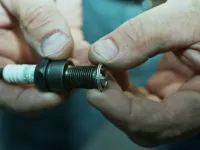
- Spark plugs ignite the air-fuel mixture via the ignition coil
- Starting issues lengthen startup, wear the starter, and discharge the battery, especially in winter
Starting a vehicle may seem like a simple process—turn the key in the ignition or press the start/stop button. In reality, behind this action lies an extremely complex system that requires perfect synchronization of several mechanical and electrical components.
When you turn the key, the starter motor receives electrical current from the battery, rapidly consuming about 2-4% of its energy. [Starter motor] becomes automatically connected to a gear that turns the crankshaft, which in turn drives [camshaft] via a timing belt or chain. This begins the combustion process and starts the engine.
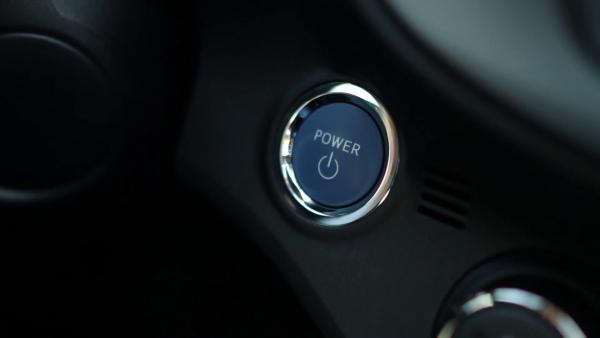
The Step-by-Step Starting Process
Each system in an engine is designed to operate with clockwork precision. When this process does not function properly, starting takes longer, which leads to premature wear of the starter motor and rapid battery discharge, especially in winter.
After turning the key, the [starter solenoid] activates, allowing current from the battery to reach the spark plugs through their wires. The ignition system accumulates enough voltage to produce a spark inside the cylinder.

The Role of Spark Plugs in the Ignition System
Spark plug operation
The electrical charge from the battery, via the starter solenoid (coil), ignites the fuel-air mixture in the combustion chamber. Each cylinder has a single spark plug that receives current through a dedicated wire.

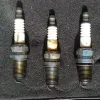
[Spark plugs] uzate sau cu depuneri de calamină pe electrod nu mai funcționează în parametrii normali. Este esențial să fie curățate la timp pentru a menține performanța optimă a motorului.
Types of Spark Plugs
Depending on the make and model of the car, different types of spark plugs are used:
- Cold spark plugs: Recommended for high-performance engines
- Hot spark plugs: Burn hotter, making it easier to burn off deposits from the electrode
How to identify problems with spark plugs
To identify an issue with spark plugs, follow these steps:
- Park the car in a dark area (preferably at night)
- Start the vehicle and pop the hood
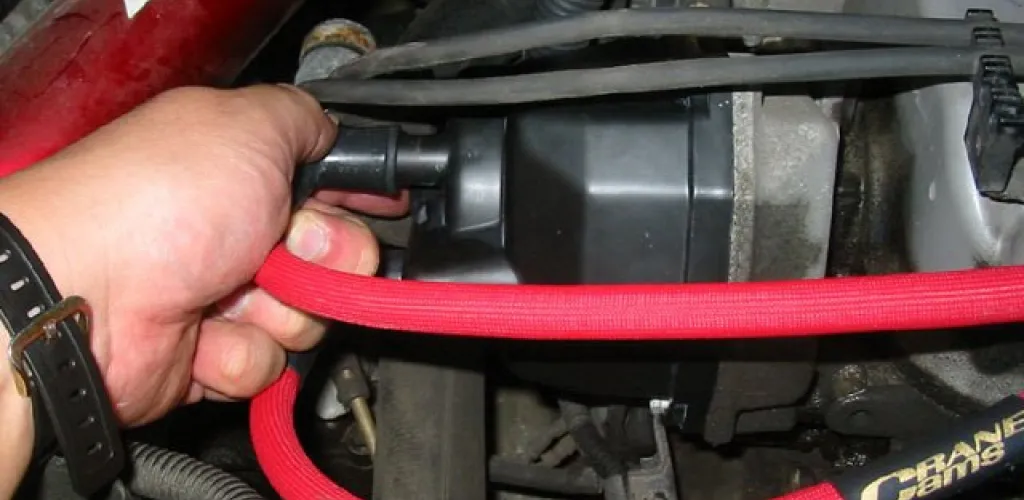
- While the engine runs, check the wires leading from the spark plugs to the distributor cap
- Look for sparks or electrical arcing indicating wear or interruptions in the circuit
The Voltage Amplification System
Ignition coil
The electrical voltage from the battery passes through the ignition coil on its way to the spark plugs. Amplifying this low-tension charge is the main purpose of the ignition coil.
The ignition coil contains two sets of windings:
- Primary coil: where the initial current flows
- Secondary coil: wound around the primary, containing hundreds of turns of wire
Break sparks interrupt the current through the primary coil, causing the magnetic field to collapse in the coil and producing a magnetic field in the secondary coil. This process creates a high-voltage current that feeds into the distributor and then to the spark plugs.
Distributor: Cap and Rotor
The distributor uses a cap-and-rotor system to distribute the high-voltage charge to the corresponding cylinder.

How the rotor works
The rotor spins, distributing the charge to each cylinder as it passes the contact. The current arcs pass through the small gap between the rotor and the contact.
Unfortunately, the high temperatures generated during the passage of the charge can cause distributor wear, especially the rotor.
Modern distributorless systems
Newer vehicles use a coil per spark plug. Connected to the Engine Control Unit (ECU), this system allows more precise control of the ignition timing.
Advantages of the distributorless system
- Eliminates the need for a distributor and spark plug wires
- Uses the high-tension charge directly from the coil
- Offers lower fuel consumption
- Reduces pollutant emissions
Starting system in diesel engines
Glow plugs
Unlike a gasoline engine, diesel engines use glow plugs instead of ordinary spark plugs to preheat the combustion chamber before combustion. This is essential, especially when ambient temperatures are low.

Glow plugs, also known as preheating plugs, are controlled indirectly by the fuel injection control unit.
How it works
When starting the engine, the glow plugs heat up quickly to ensure ignition of the air-fuel mixture. At low temperatures, the plugs continue to operate after engine start to reduce noise and smoke emissions.
Common faults in the glow plug system
If a fault occurs in the glow plug system (plugs, electrical connectors, control module, wiring, or injection computer), the engine typically shows the following symptoms:
- Very hard or impossible to start when cold
- Emits black-blue smoke
- The dashboard warning light illuminates (the one related to engine reliability)
Diagnosing problems
To identify issues in the glow plug system, it is recommended to consult a specialized mechanic who can test:
- Glow plug resistance
- Operation of the control module
- Integrity of the wiring harness
- Operation of the injection computer
Understanding how the starting system works helps you identify issues faster and take the necessary steps to keep your vehicle in optimal operating condition.