- Electric window failures stem from damaged regulators, motors, arms, wiring, or control modules.
- Common symptoms: window sticks, moves in steps, makes metallic noises, or stalls.
- Primary causes: regulator wear or breakage, motor wear, and arm/linkage failures.
- Key components include regulator, motor, arms, switch, wiring, and control module.
Power windows have become the standard in modern automotive technology, replacing the old manual crank systems. They offer greater comfort, requiring only the press of a button to open or close. However, electrical systems can still present drawbacks: if a fault occurs, the window may remain stuck in its current position until the problem is resolved.
Understanding common causes of failures can help you quickly identify the issue and take appropriate action. From worn mechanical components to electrical problems, there are several aspects that can affect the optimal operation of the windows.
How the electric window system works
To understand the issues, it is essential to know the main components of the system:
- Electric motor - provides the energy needed for movement, typically a 12V DC motor
- Window regulator - the complex mechanism that converts the motor’s rotational motion into linear movement
- Regulator arms - the metal arms that support and guide the glass on the vertical tracks
- Switch - the control button on the door panel, often with an “auto” function for full travel
- Wiring - the wires that connect all components to the vehicle’s electrical system
- Control module - in modern cars, a small computer that manages advanced functions
Main causes of electric window failure
1. Damaged window regulators
The mechanism that allows a power window to move up or down is the window regulator. It is one of the most complex components of the system, consisting of:
- Guiding rails made of metal or composite material
- Steel cables that support the weight of the glass
- Rollers and bearings that allow smooth movement
- Arms that distribute force evenly
Common failure causes:
- Bearing wear due to dust and moisture
- Breakage of support cables
- Deformation of the guiding rails
- Corrosion of metallic components
Symptoms: The window sticks, moves in steps, or produces metallic noises.
2. Defective electric window motor
The electric motor is the heart of the system, typically a 12V DC motor with a power of 20-40W. It includes:
- Stator with permanent magnets
- Rotor with copper windings
- Carbon brushes for electrical contact
- Gear reduction unit that lowers speed and increases torque

Common problems:
- Wear of carbon brushes
- Corrosion of contacts
- Overheating due to jams
- Internal gear reduction failure
Distinctive symptoms:
- Unusual noises (squeal, scream)
- Intermittent or very slow movement
- The motor starts but the window does not move
- Abnormal current draw (measurable with a multimeter)
3. Failures in the window regulator arms
The arms are the components that transmit force from the regulator to the glass. The mounting point between the glass and the metal arm is the most vulnerable:
Materials used:

- Metal clamps with rubber gaskets
- Structural adhesives (epoxies)
- Special stainless steel screws
- Technical plastic mounting elements
Deterioration factors:
- Extreme temperature variations (-30°C to +80°C inside the cabin)
- Constant vibrations during travel
- Humidity and condensation
- Aging of plastic parts
4. Impact of weather conditions
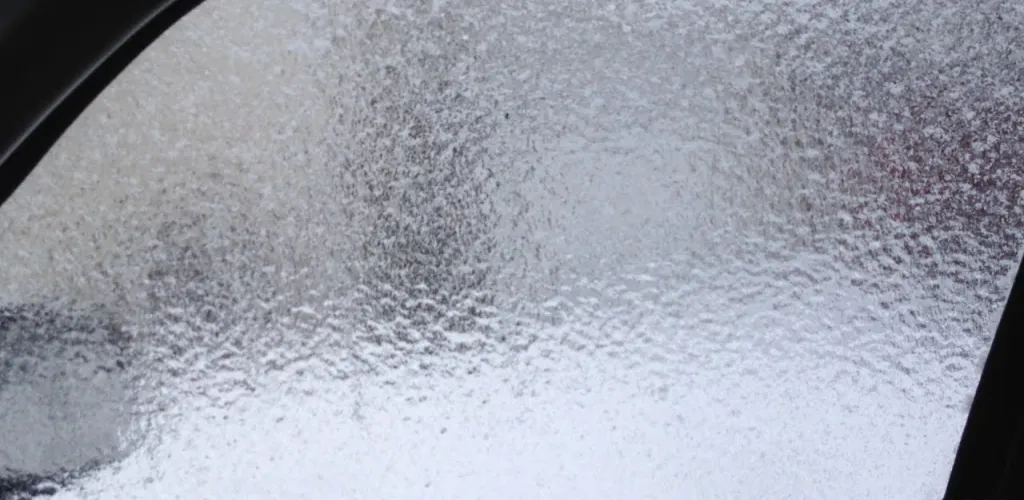
Snow and ice pose a major challenge to electric window systems:

Winter-specific problems:
- Frost in the weatherstrip - infiltrated water freezes and blocks the mechanism
- Window sticking to seals - ice forms a temporary bond
- Thickening of lubricants - lubricants become viscous at low temperatures
- Plastic brittleness - plastic parts become brittle below 0°C
Effects on the motor:
- Overcurrent - the motor draws more current trying to move a blocked window
- Overheating - sustained effort can burn windings
- Premature wear - forcing the system accelerates deterioration
Preventive measures:
- Use of de-icer sprays
- Gradual interior warming before driving off
- Check operation before starting movement
5. Defective window switch
Modern switches are complex components with multiple functions:
Types of switches:
- Simple - up/down manual control
- With auto function - one press for full travel
- With anti-pinch protection - automatic stop upon obstacle detection
- With position memory - in premium cars
Causes of failure:
- Contact wear from heavy use
- Corrosion from spilled liquids
- Dust and debris buildup in the internal mechanism
- Return spring failure
- Electronic module problems in smart switches
Diagnosis:
- Multimeter continuity tests
- Check supply voltage (12V)
- Verify output signals
- Test auto function if available
6. Complex problems in the wiring harness
The wiring of electric windows is more complex than it seems, including:

Wiring harness components:
- Power and ground cables (12V and ground)
- Signal cables for direction control
- Sealed connectors to protect against moisture
- Fuses and relays for circuit protection
- Control modules in advanced systems
Common problems:
- Broken wires near the door hinges (the most stressed area)
- Corrosion of contacts due to water ingress
- Insulation wear from repetitive door movement
- Weak connectors that lose contact
- Electromagnetic interference in cars with heavy electronics
Critical zones:
- Through the door hinge
- The door handle connector
- Ground connections
- Control modules
7. Failures of the electrical protection system
Fuses and relays are vital for protecting the system:
Protection types:
- Main fuses (20-30A) for powering the motors
- Control fuses (5-10A) for switches and modules
- Power relays for switching high currents
- Protection modules with advanced features
Failure causes:
- Overcurrent from mechanical blockage
- Short circuits in the wiring
- Aging components
- Contact corrosion
- Overvoltages from the charging system
Modern systems and additional complications
Advanced features in new cars
- Anti-pinch protection - sensors detect obstacles
- Position memory - automatic return to preset positions
- Integration with the alarm system - automatic closure when arming the alarm
- Remote control - operation from a distance
- Climate synchronization - automatic opening for ventilation
Problems specific to modern systems
- Electronic calibration required after component replacement
- Module coding to the car’s central system
- Software updates for optimal function
- Specialized diagnostics with professional equipment
Early warning signs
Visual symptoms
- Unusual noises - grinding, screeching or metallic sounds
- Uneven movement - stalling, jolts
- Reduced speed - much slower than normal
- Excessive vibration during operation
Electrical symptoms
- Intermittent operation - sometimes works, sometimes not
- Delayed response to commands
- Dim dashboard lights when the window operates (overcurrent)
- Complete system shutdown of the window
Simple diagnostic tests
- Sound test - listen for motor starting
- Test all windows - identify local vs. global problem
- Switch tests - try from the main switch
- Continuity test - check electrical supply
Advanced diagnostics and troubleshooting
Equipment needed for diagnostics
- Digital multimeter for electrical measurements
- Wiring tester for continuity
- Oscilloscope for complex signals (optional)
- OBD scanner for error codes
- Model-specific technical manuals
Systematic diagnostic procedure
Step 1: Check power supply
- Check battery voltage (12.6V with engine off, 13.8-14.4V with engine running)
- Test fuses with a multimeter
- Inspect the main wiring at the fuse box
Step 2: Test the switches
- Measure voltage at the switch input
- Test continuity in both positions
- Check output signals
Step 3: Check the motor
- Apply direct voltage to the motor for testing
- Measure current draw during normal operation
- Check for abnormal noises and vibrations
Step 4: Mechanical inspection
- Inspect the regulator for visible wear
- Check the regulator arms and mounting points
- Test manual operation (with the motor disconnected)
When to call a specialist
- Problems with multiple windows at once - possible issue with the central module
- Vehicles under warranty - risk of voiding the warranty
- Anti-pinch protected systems - require specialized calibration
- Loud and unusual noises - risk of further damage
- Window stuck in the open position during rain
Cost estimates for repairs
Replacement parts (indicative prices in lei)
- Simple switch: 50-150
- Switch with auto function: 100-300
- Standard fuses: 5-20
- Power relays: 30-80
- Electric window motor: 200-600 (depends on make and model)
- Window regulator: 300-800
- Wiring repair kit: 50-150
- Original connectors: 20-100
Labor costs
- Replacing a switch: 30-60 lei (15-30 min)
- Replacing a motor: 100-200 lei (1-3 hours)
- Replacing a regulator: 150-300 lei (2-4 hours)
- Wiring repair: 100-300 lei (1-4 hours)
- Complex diagnostics: 50-150 lei
- Electronic calibration: 100-200 lei
Factors influencing costs
- Make and model of the car
- Component accessibility
- System complexity (advanced features)
- Availability of original vs. aftermarket parts
- Service location (big city vs. small town)
Preventive maintenance and recommendations
Regular maintenance schedule
Monthly:
- Test all windows
- Clean the control buttons with a damp cloth
- Check for unusual noises
Quarterly:
- Clean weatherstrips with a vacuum and brush
- Apply silicone spray to the guiding rails
- Check door seal condition
Semiannually:
- Visual inspection of visible wiring
- Test the “auto” function if available
- Check fuses in the main fuse box
Annually:
- Professional electrical system diagnostic
- Cleaning and lubrication of regulators
- Inspect electrical connections
Recommended maintenance products
- Silicone spray for lubricating rails
- Electronic cleaning solutions for contacts
- Window de-icer for the cold season
- Portable vacuum for cleaning weatherstrips
Proper usage practices
What to do:
- Use control buttons gently
- Allow natural defrosting in winter
- Stop the system if you notice issues
- Perform regular maintenance
What to avoid:
- Forcing windows when they are frozen
- Aggressively pressing buttons
- Ignoring unusual noises
- Using force to manually open
- Spilling liquids on switches
Considerations for different vehicle types
Economy cars
- Simpler systems with less electronics
- More affordable replacement parts
- Simpler diagnostics and repairs
- Lacking advanced features
Premium vehicles
- Complex systems with many features
- Expensive parts and strict specifications
- Requires specialized diagnostics
- Integration with other vehicle systems
Older cars (over 10 years)
- Higher risk of wiring corrosion
- Harder to source parts
- Simpler but worn systems
- Repair cost efficiency may be questionable
Future trends and emerging technologies
Innovations in development
- Brushless motors for greater durability
- Smart sensors for precise obstacle detection
- Smartphone integration for remote control
- Adaptive systems that learn user preferences
Impact on maintenance
- More precise diagnostics with AI
- Sensor-based predictive maintenance
- Software updates for improvements
- Potentially higher costs for advanced technology
Modern power windows are complex systems that require understanding and proper maintenance. Early problem identification and preventive upkeep can prevent costly failures and ensure long-term optimal operation. For complex issues or vehicles under warranty, consulting a specialist is always the most prudent recommendation.