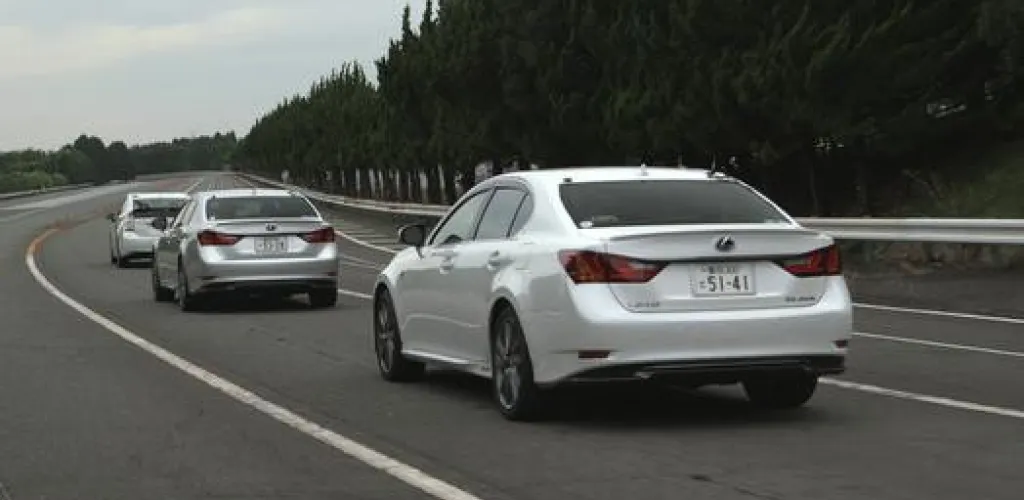
- Reaction time dictates braking distance; fatigue, alcohol, and visibility worsen it.
- At urban speeds, about 15 meters are needed to brake.
- Over 100 km/h, more than 30 meters pass before braking begins.
- Proper tires, good grip, and ABS improve stopping distance and control.
Braking distance is one of the most important road safety parameters. While it may seem that braking happens almost instantly, in reality any vehicle will cover a considerable distance before coming to a complete stop, especially at higher speeds. Understanding this process is essential for any driver who wants to drive safely.
Even with today’s advanced technology, any car will travel a certain distance before stopping completely. This distance can be surprisingly large, especially for new drivers who may not realize the complexity of the braking process.
How the braking process works
Reaction time - the first critical factor
The reaction time represents the interval between recognizing the need to brake and the actual press of the brake pedal. In this interval, the car continues to move at the initial speed, covering a substantial distance.
At urban speeds of 48 km/h, a car requires about 15 meters to apply the brakes. The situation worsens significantly at higher speeds - at over 100 km/h, more than 30 meters will be traveled before the driver presses the brake pedal.
Reaction time can be affected by:
- Driver fatigue
- Alcohol or medications
- Age and driving experience
- Weather conditions
- Reduced visibility
Technical performance of the vehicle
If the car is equipped with correct tires, with good grip on the road and new brake pads, it will stop from rolling much faster compared to a vehicle that has traction problems or brake pads heavily worn.
The ABS helps a lot to improve the braking process and the associated performance, because it reduces the risk of wheel lockup. The ABS system allows maintaining directional control even during emergency braking.

Calculation of the total stopping distance
Considering the factors mentioned above, it is possible for a vehicle to continue to move for another 120 meters from the moment braking is initiated at speeds over 100 km/h. To put this figure in perspective: a car can continue moving the length of a soccer field and still have about 30 meters to go before coming to a complete stop.
Vehicle speed and its impact on braking
Braking distance increases exponentially with the vehicle speed. This mathematical relationship explains why speed limits have been instituted in zones near schools or in residential areas.
Seemingly small differences, major consequences
Although between 40 km/h and 65 km/h the difference may not appear large, this is essential and even vital in situations requiring urgent braking. An increase of only 25 km/h can double the braking distance.
Zones with higher risk
- Areas near forests (risk of animal crossings)
- Areas with heavy pedestrian traffic
- Arterials frequently used by cyclists
- Intersections with reduced visibility
- Zones with road works
It is good to adjust your speed to the road signs and maintain a safe following distance.

Preventive measures for road safety
To prevent accidents, it is good to adapt driving and braking conditions according to traffic. Therefore it is essential to look ahead when driving and not be distracted by short-duration maneuvers, such as changing the radio station or tying the phone to the charging cable.

Importance of technical maintenance
Periodic technical inspections and replacement of brake pads according to the manufacturer’s indications help us drive safely and brake quickly in case of danger.
Elements that require regular checks:
- Brake pads and discs
- Brake fluid and the condition of lines
- Tires and their pressure
- ABS system and speed sensors
- Suspensions and shock absorbers
Defensive driving techniques
Adopting a defensive driving style implies:
- Maintaining a safe following distance
- Anticipating the behavior of other road users
- Reducing speed in adverse weather conditions
- Avoiding distractions during driving
- Taking regular breaks on long trips