- Air in brake lines reduces braking effectiveness and demands immediate attention.
- Hydraulic system transmits pedal force via fluid; air pockets disrupt pressure.
- Water absorption by brake fluid can cause boiling and vapor pockets.
- Common symptoms: soft pedal and excessive pedal travel.
If you’ve noticed recently that the brake pedal feels soft, or that when you’re stopped at a red light with your foot on the brake the pedal sinks further, it’s very likely you have air in the brake lines. This issue can seriously compromise the braking system’s effectiveness and requires immediate attention.
A braking system compromised by air can be extremely dangerous. When you press the brake pedal halfway and the car slows down only gradually, it’s likely there is air in the hydraulic braking system.
How the hydraulic braking system works
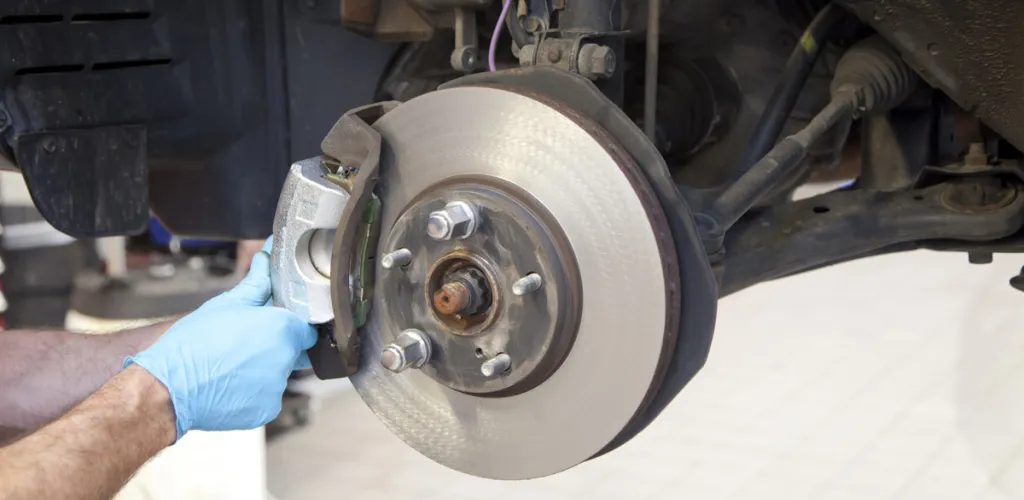
The modern braking system is hydraulic and relies on Pascal’s principle: the pressure applied to a fluid in a closed system is transmitted equally in all directions. When you press the brake pedal, the brake fluid transmits the force from the pedal to the calipers at the wheels, which then move the pads against the brake discs.
An important aspect to understand is why the brake fluid level drops over time. The fluid doesn’t simply disappear—there is a logical technical explanation for this drop.
Why brake fluid level drops
Over time, brake pads wear down due to friction with the brake discs, which means the distance the pads must travel to reach the discs increases. Because the distance grows, the caliper pistons must travel a longer distance.
Although the difference may seem small—a few millimeters or centimeters—you must multiply this difference by the number of calipers (usually four). This explains where that brake fluid in the reservoir goes.
Low brake fluid level
Brake fluid is kept in a sealed reservoir located above the brake pump. When you press the brake pedal, the fluid leaves the reservoir and is sent to the calipers.
As the fluid leaves the reservoir, air takes its place. When the brake fluid is at the optimal level, very little air enters the reservoir. As the level in the reservoir drops, the amount of air increases.

Water intrusion into the braking system
Water is one of the braking system’s biggest enemies and can cause major problems. Water can be a factor that allows air to get trapped in the braking system through the following mechanism:
- Brake fluid absorbs and holds water from the atmosphere (it is hygroscopic)
- The problem occurs when the fluid reaches saturation with water
- Brake fluid is designed to withstand high temperatures
- A fluid that has absorbed too much water can boil when you push the brakes beyond their limits
Boiling of the fluid and vapor formation
Boiling of the water-saturated fluid generates vapor that becomes air and remains in the braking system. The air separates from the liquid and you effectively have pockets of air circulating through the brake lines.

Symptoms of air presence in the braking system
- Soft pedal: The first and most evident problem
- Long pedal travel: You need to press harder to obtain the same braking force
- Pedal sinking: When you keep your foot on the brake, it depresses progressively
- Inefficient braking: The car slows down more slowly
- Vibrations or unusual noises: When braking
How to prevent and identify the problem
Regular checks
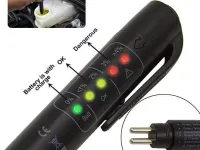
Brake fluid condition:
- Should be yellow like sunflower oil
- If the fluid is brown or black, it requires immediate replacement
- The level should not be low
Warning signs:
- Brakes feel soft
- You feel the brakes are not holding as they should
- They overheat quickly
- Unusual noises when braking
Preventive maintenance
Although you can’t influence wear processes very much, you can greatly help maintain the car by:

- Regular checks: Check monthly the level and condition of the fluid
- Timely replacement: Follow the manufacturer’s recommended intervals
- Quick intervention: At the first signs of a problem, visit a mechanic
- Avoid overloading: Do not push the braking system beyond its limits
Conclusion
Air in the braking system is a serious issue that must not be ignored. If you notice any of the symptoms mentioned, book an urgent appointment with a specialized mechanic for a full inspection and, if necessary, for bleeding the braking system. Your safety and that of other road users depends on the correct functioning of the braking system.
Photo sources: autobild.es, autodeal.com.ph, alfaworkshop.co.uk