- ABS prevents wheel lock during hard braking and preserves steering control.
- It uses wheel-speed sensors, an ECU, and hydraulic valves to modulate braking.
- Activation causes pedal pulsations and vibrations; the car remains controllable.
- ABS evolved from a single module to four sensors and ADAS.
The ABS system (Anti-lock Braking System) is one of the most important innovations in automotive safety and is standard on most modern vehicles. This technology prevents wheel lock-up during hard braking and allows the driver to maintain control of the vehicle in critical situations.
Before the advent of ABS, drivers had to learn progressive braking techniques to avoid wheel lock-up — a difficult maneuver in emergencies that required experience and quick reflexes.
How the ABS system works
The basic mechanism
When a wheel locks up during braking, it starts to skid on the road surface, losing optimal contact with the asphalt and dramatically reducing braking capacity. Additionally, the driver loses directional control of the vehicle.
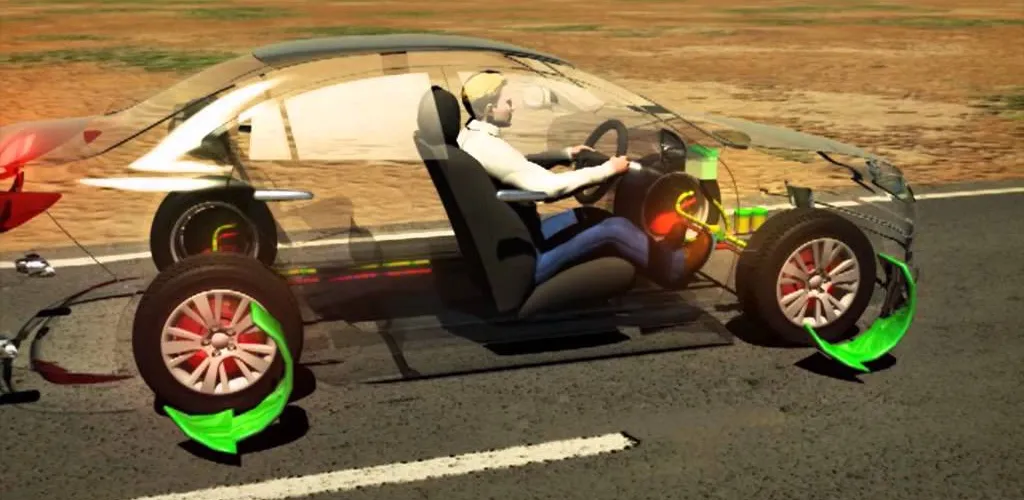
The ABS system continuously monitors the speed of each wheel using specialized sensors. When it detects that a wheel is about to lock up (its speed drops sharply compared to the others), the system intervenes automatically.
Detailed technical process
The operation of the ABS is based on a rapid cycle of actions:
- Continuous monitoring: The wheel speed sensors measure the rotation of each wheel in real time
- Data analysis: The electronic control unit (ECU) compares wheel speeds and detects discrepancies
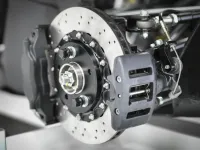
- Automatic intervention: When lock-up is detected, the system commands the hydraulic modules to reduce and increase pressure in the calipers
- Rapid cycling: This process repeats up to 20 times per second for each affected wheel
These sensors work in conjunction with other safety systems, such as [ESP system], providing comprehensive protection.
How to recognize ABS activation
Pedal sensations
When the ABS engages, you will feel:

- Strong pulsations in the brake pedal
- Vibrations transmitted to the sole of the foot
- The impression that someone is pushing back on the pedal
- Possible sounds from the hydraulic pump
Vehicle behavior
During ABS activation:
- The car remains controllable at the wheel
- Braking distance may vary depending on the surface
- No wheel lock-up marks occur
Important: The presence of ABS does not mean you can drive more aggressively. The system is designed for emergency situations, not for sporty driving.
Technological evolution of the ABS system
First generation
Early ABS systems were simple:
- A single ABS module integrated into the master cylinder
- The WAL (rear wheel anti-lock) system with a sensor at the rear differential
- Operation limited to the rear axle
Subsequent generations
Evolution brought:

- Two sensors at the rear wheels with separate hydraulic valves
- Four sensors - one for each wheel
- Advanced integration with networked computers
- Compatibility with modern driver-assistance systems
Location of modern sensors
ABS sensors are found:
- On bearings: Integrated into the bearing assembly (full replacement required if faulty)
- On the suspension system: Mounted on suspension arms
- On the transmission: Some vehicles use the speed sensor from the transmission
- Hidden wiring: In modern vehicles, wiring is integrated into the interior carpets
Benefits of the ABS system
Safety benefits
- Directional control: Maintains maneuverability during braking
- Improved stability: Prevents vehicle rollover or skidding
- Adaptability: Works on various surface types
- Complementarity: Works with other safety systems
Performance benefits
- Shorter stopping distances: On most surfaces reduces braking distance
- Uniform wear: Distributes wear evenly across brake pads
- Energy efficiency: Optimizes use of kinetic energy
Debunking myths about ABS
Myth 1: ABS doesn’t work on ice
Truth: The system works on any surface, including ice and snow. Although braking distance may be longer on very slick surfaces, ABS prevents wheel lock-up and allows directional control.
Myth 2: ABS is dangerous because it increases stopping distance
Truth: On some surfaces (such as fresh snow or gravel), distance can be slightly longer, but the ability to maneuver compensates for this minor drawback.
Myth 3: With ABS you can brake more aggressively
Truth: ABS is a passive safety system for emergency situations, not an invitation to aggressive driving. Correct driving technique remains essential.
Common causes of ABS system failure
1. Low brake fluid level
Symptoms:
- ABS warning light on
- Soft brake pedal
- Visible leaks under the vehicle
Causes:
- Normal wear of brake pads
- Leaks from caliper, master cylinder, or lines
- Damage to the master reservoir
Solution: Inspect the braking system and top up/replace the fluid.
2. Speed sensors defective
Symptoms:
- ABS warning light intermittent or constant
- Irregular system operation
- Diagnostic error codes
Causes:
- Dirt buildup on the sensor
- Physical damage to the sensor
- Wiring or connector problems
- Wear of the bearings they mount on
Solution: Clean or replace the faulty sensor.
3. Faulty ABS module
Symptoms:
- Warning light permanently on
- Complete loss of ABS function
- Multiple diagnostic errors
Causes:
- Corrosion of internal components
- Overheating due to wear
- Water ingress or dirt
- Normal wear after many kilometers
Solution: Repair or replace the ABS module.
4. Problems with self-test
Symptoms:
- Warning light on only at startup
- Normal operation after a few seconds
- Intermittent errors
Causes:
- Software issues in the ECU
- Unstable battery voltage
- Electromagnetic interference
Solution: Software update or electrical system check.
5. Worn hydraulic pump
Symptoms:
- Unusual sound when ABS engages
- Reduced system performance
- Pedal with abnormal feel
Causes:
- Normal wear after many kilometers
- Dirt in the brake fluid
- System overloading
Solution: Replace the hydraulic pump and brake fluid.
Modern complementary systems
Integrated technologies
ABS works with:
- EBD (Electronic Brakeforce Distribution): Distributes brake force intelligently between axles
- ESP/ESC: Electronic stability control to prevent skidding
- TCS (Traction Control System): Prevents wheelspin on acceleration
- BAS (Brake Assist System): Detects emergency braking and applies maximum force
- Hill Hold Control: Keeps the vehicle on a slope without rolling backward
Benefits of integration
- Comprehensive protection: Covers all driving situations
- Improved efficiency: Optimizes fuel use and performance
- Simplification: A single system manages multiple functions
Maintenance and diagnostics of the ABS system
Regular preventive checks
Every 6 months:
- Check the brake fluid level
- Visual inspection of sensors
- Test ABS warning light operation
Annually:
- Complete computerized diagnosis
- Check brake fluid quality
- Test operation under controlled conditions
Warning signs that require immediate attention
- Constant ABS warning light on during driving
- Abnormal pedal vibrations outside hard braking
- Unusual sounds from the wheel area
- Unpredictable pedal behavior
- Increased braking distances with no apparent reason
Repair costs
- ABS sensor: 150-400 lei + labor
- ABS module: 800-2500 lei + labor
- Hydraulic pump: 1200-3000 lei + labor
- Brake fluid + bleeding: 100-200 lei
Conclusion
The ABS system is a fundamental technology for modern automotive safety, significantly changing how vehicles behave in critical situations. While it cannot replace prudent driving and adherence to traffic rules, ABS provides a vital safety net when seconds count.
Understanding how this system works helps you use it effectively and keep it operating optimally through proper care. Investing in preventive maintenance of the ABS system is far cheaper than the cost of an accident that could be avoided.
For any suspected ABS issue, consulting a specialist is essential — your safety and that of other road users should never be compromised.