- Fines can be issued on the spot or later by mail.
- Mail fines require identifying the actual driver, not the vehicle owner.
- Not stopped offenses may still be mailed if recorded, or for serious/multiple offenses.
- Owners must disclose who drove; failing to do so or false statements carry penalties.
Many drivers debate how road traffic offenses can be sanctioned. Some argue that the police must stop you on the spot to issue a fine, while others believe you can be sanctioned later, by mail. This article clarifies the exact legal situation and outlines the procedures, timelines, and practical steps to take.
Legislation on sanctioning road traffic offenses
According to current law, the police may sanction road traffic offenses in two distinct ways:
- On-the-spot stop of the offender - the classic and most frequently used method
- Subsequent communication - by mail or other legal notification means
Both methods are perfectly legal and produce the same legal effect, with the note that the subsequent communication process involves additional steps to identify the driver.
What happens if you are not stopped at the moment of the offense
If you were caught committing a road offense (for example, speeding), but the police did not stop you on the spot, there are several possible scenarios:
Scenario 1: The offense was not recorded
There are situations where the radar equipment fails to record all the necessary data to identify the vehicle. In this case, effectively you may avoid the sanction.
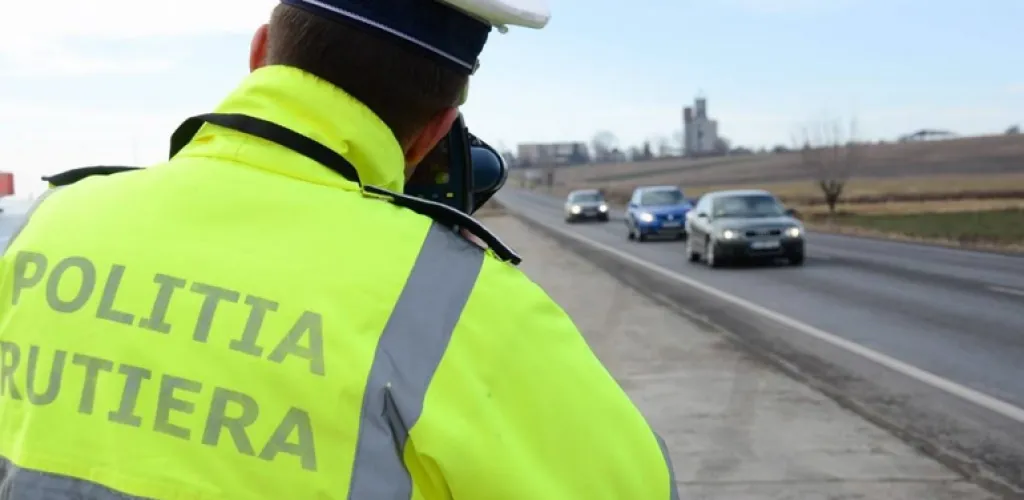
Scenario 2: The offense is recorded, but the officer is busy
This is the most common situation. Officers have a clear procedure: when there are already 2-3 offenders stopped, the radar is temporarily stopped because the control units cannot physically handle multiple stops simultaneously. If your data were recorded before the radar stop, you will receive the penalty notice by mail.
Scenario 3: Serious or multiple offenses
In cases of serious violations or when the same driver is recorded committing multiple offenses, the police will always proceed with the subsequent communication of the sanction, even if you were not stopped on the spot.

Legal procedure for sending fines by mail
Identifying the driver
Here lies a crucial aspect of the legislation: the fine is always issued in the name of the driver, not the vehicle owner.
The standard procedure is as follows:
- The police identify the vehicle from the national database using the license plate
- An official request to the owner is issued to identify the person who was driving the vehicle at the time of the offense
- The owner has a legal obligation to provide this information within a period specified by law
- Based on the statement received, the police contact the actual driver and inform them of the sanction
Rights and obligations of the owner
The vehicle owner should know that:
- They have a legal obligation to inform the police about the identity of the person to whom they entrusted the car
- Refusal or neglect to provide these details constitutes a violation in itself
- False statements can incur criminal liability
- If the owner was driving themselves, they must declare it
Situation when the driver contests
If the person identified by the owner contests that they drove the vehicle during the specified period:

- The police are obliged to conduct a full administrative investigation
- Traffic video recordings may be analyzed
- GPS data, parking cards, and witnesses may be checked
- The procedure can take months
Exception: identification from other sources
There is a single situation where the fine can be sent directly without a request for identification: when the police succeed in identifying the driver through other legal means (clear video recordings showing the driver’s face, automated identification through specialized systems, etc.).
Sanctioning after a stop and identification
A distinct situation is when you have already been stopped and identified by the police:
Interruption of the penalty report
If the issuing officer:
- Stopped you legally
- Informed you of the offense
- Identified you completely
- But had to leave the scene due to objective reasons (operational emergency, request for priority intervention)
they have the right to finalize the penalty notice later and communicate it to you by mail.
Prescription period
The important point is that police have six months from the offense to issue and communicate the penalty notice. After this period, the offense prescribes.
Practical tips for drivers
What to do if you receive a request to identify
- Respond promptly within the legal deadline
- Provide accurate and complete information
- Keep evidence about who drove the car (rental agreements, authorizations, etc.)
- Do not attempt to falsify information – the consequences are much more serious
Checking penalty notices received by mail
- Verify the accuracy of the data in the penalty notice
- You have the right to view photographic or video material
- You can contest within the legal deadline if there are errors
- Ask for clarifications if something is unclear
Prevention and defensive driving
The best approach remains respecting traffic rules:
- Observe speed limits in all situations
- Be mindful of road signaling
- Drive defensively and predictably
- Do not rely on the assumption that “no one sees you”
- Surveillance technology is becoming increasingly advanced
Modern systems for detecting violations
Fixed and mobile radars
Romania has an increasingly extensive network of surveillance systems:
- Fixed radars on main arteries
- Mobile radars in high-risk zones
- Video systems to detect multiple offenses simultaneously
- Latest-generation radars capable of identifying license plates
Traffic surveillance cameras
Modern systems can automatically detect:
- Speeding
- Illegal stopping
- Running red lights
- Driving in dedicated lanes
- Failure to maintain safe following distance
Conclusion
To answer the initial question clearly: yes, you can receive a traffic fine by mail even if you were not stopped by the police. The procedure is perfectly legal and is becoming more common with the digitization of surveillance systems.
However, there are procedural steps that must be followed, especially regarding the correct identification of the driver. If you were not stopped on the spot and you do not receive any communication within the next 2–3 weeks, the chances of avoiding sanction are high—but never 100%, given the six-month prescription period.
Our recommendation remains clear: drive prudently, respect traffic rules, and do not rely on the possibility of avoiding sanctions. Your safety and that of other road users is far more important than saving time or avoiding a fine.
sursa foto: impact.ro