- Expressways speed raised to 120 km/h outside built-up areas
- Category A/B (≤3.5t): 130 motorways, 120 expressways, 100 E roads, 90 others
- Category C/D/D1: 110 motorways, 100 expressways, 90 E roads, 80 others
- Category A1/B1/C1: 90 motorways, 85 expressways (raised)
Romania remains, unfortunately, at the forefront of negative European road safety statistics, with a high number of accidents resulting in injuries and fatalities. Despite this troubling reality, road legislation has recently undergone changes that raised the legal speed thresholds allowed on certain categories of roads. This article provides a detailed overview of the current speed limits across all types of public roads in Romania and explains the implications of these changes.
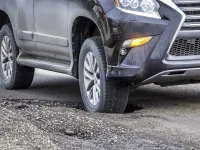
The context of Romania’s road infrastructure includes a limited number of motorways and expressways, with most roads being national and county roads in a deteriorated technical condition. That is precisely why knowing and adhering to speed limits becomes essential for the safety of all road users.
Legislative changes regarding speed on expressways
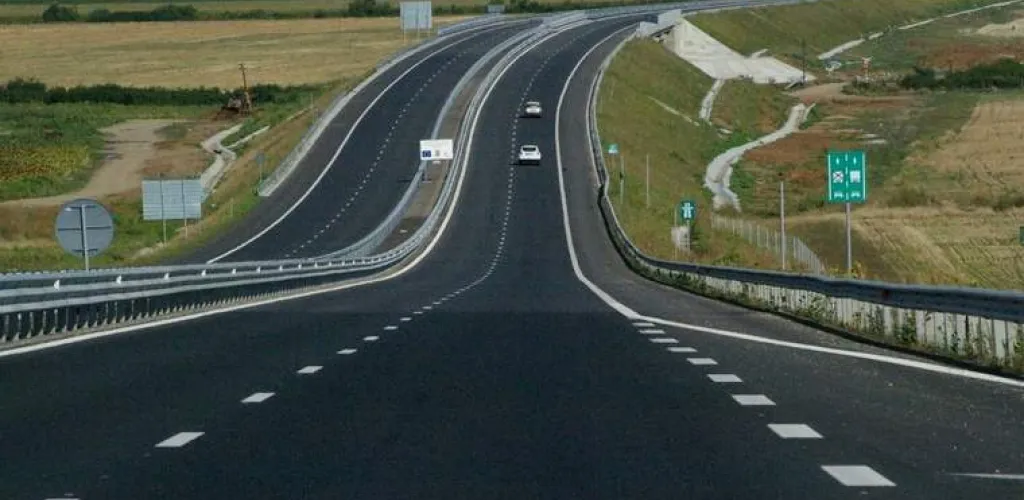
According to amendments to Government Emergency Ordinance no. 195/2002 on road traffic, the maximum permitted speed on expressways has been raised from 100 km/h to 120 km/h. This change applies exclusively to journeys outside built-up areas and aims to improve traffic flow on these important corridors.
The decision to raise the speed limit on expressways is justified by the higher construction and maintenance standards of these roads, which include:
- Separated driving lanes for each direction
- Wider shoulders
- Higher-quality road surface
- Modern and efficient signage
- Absence of at-grade intersections
Speed limits for vehicles in categories A and B
For cars and motorcycles in categories A and B (vehicles with maximum authorized mass up to 3.5 tons), speed limits outside built-up areas are as follows:
- 130 km/h - maximum speed on motorways in Romania
- 120 km/h - maximum speed on expressways (raised from 100 km/h)
- 100 km/h - maximum speed on European roads (marked with E)
- 90 km/h - maximum speed on other categories of roads (county and local roads)
These limits represent the maximum speeds allowed under optimal road and weather conditions. Drivers must reduce speed according to traffic conditions, visibility, road surface, and the vehicle’s technical capabilities.
Speed limits for vehicles in categories C, D and D1
Vehicles for freight and passenger transport in categories C, D and D1 (trucks, buses and minibuses) have more restrictive speed limits:
- 110 km/h - maximum speed on motorways
- 100 km/h - maximum speed on expressways (raised from 90 km/h)
- 90 km/h - maximum speed on European roads (E)
- 80 km/h - maximum speed on other categories of roads
These additional restrictions are justified by the greater mass of these vehicles, longer stopping distances, and the risks specific to freight or passenger transport.
Speed limits for vehicles in categories A1, B1 and C1
For light motorcycles, passenger cars and light commercial vehicles in categories A1, B1 and C1, the limits are:
- 90 km/h - maximum speed on motorways
- 85 km/h - maximum speed on expressways (raised from 80)
- 80 km/h - maximum speed on European roads (E)
- 70 km/h - maximum speed on other categories of roads
These categories include vehicles with reduced technical capabilities or drivers with less experience, which justifies lower speed limits.
Special restrictions on motorways and expressways
Legislation clearly states that on motorways and expressways it is prohibited to use the following categories:

- Pedestrians
- Vehicles with oversized dimensions or weights (without special authorization)
- Animal-drawn vehicles
- Animals
- Vehicles being towed or pushed by hand
- Bicycles
- Electric scooters
- Mopeds
- Agricultural or forestry tractors
- Self-propelled machines for agricultural work
- Vehicles that cannot exceed 50 km/h for construction or technical reasons
These restrictions aim to maintain safety and traffic flow on these high-speed arteries where travel speeds are significantly higher.
Prohibited uses of expressways
Expressways in Romania cannot be used for:
- Practical driving lessons – candidates for obtaining a driver’s license cannot perform practical sessions on these roads
- Prototype testing – testing of prototypes or chassis is strictly prohibited
- Public events – demonstrations, promotional caravans, parades, sports competitions, trainings, or processions are not permitted
These prohibitions are designed to protect both participants in such activities and regular users of expressways.
Impact of speed on road safety
Speed has a direct and significant influence on road safety. As speed increases,:
- Braking distance lengthens — at 120 km/h, a vehicle covers approximately 33 meters per second, and the total stopping distance can exceed 150 meters
- Reaction time becomes critical — at high speeds, the driver has only fractions of a second to react to an obstacle
- Severity of crashes increases — kinetic energy rises with speed, and high-speed impacts can be fatal
- Field of view narrows — at higher speeds, the driver focuses on the central area, neglecting the periphery
Recommendations for safe driving
To minimize risks on the road, strictly adhering to speed limits is not enough. Defensive driving at the wheel includes:
- Adjusting speed to conditions — even if the limit is 120 km/h, slow down in rain, fog, or snow
- Maintaining a safe following distance — keep a minimum 2-second gap between your vehicle and the one in front
- Anticipating traffic — observe other road users and anticipate their maneuvers
- Preventing fatigue — at high speeds, fatigue sets in more quickly; take regular breaks
- Technical checks of the vehicle — ensure brakes, tires and safety systems operate optimally
Conclusions
Although legislative changes have raised the speed limits on expressways, these changes must be viewed within the context of each driver’s responsibility. Romania’s unfavorable road safety statistics underline the need for a prudent attitude and strict adherence to traffic regulations.
Legal speed represents the maximum permitted limit under ideal conditions, not a target to be reached in every situation. Preventive driving, heightened attention, and constant adaptation to road conditions remain the most effective methods to protect life and safety for all road users.