
- Alternator charges the battery and powers electricals; failure drains the battery quickly.
- Main parts: stator/rotor, diodes, voltage regulator, and cooling system.
- It converts AC to DC and maintains 13.8–14.4 volts.
- Lifespan depends on quality, conditions, maintenance, and driving style; typical 150,000-250,000 km.
Every experienced driver knows that the electrical system is the heart of a modern car. Without optimal operation, most vehicle components become unusable. The alternator sits at the core of this vital system, playing a crucial role in keeping the battery charged and powering all electrical circuits in the vehicle. When the alternator fails, the battery can discharge in just a few hours, leaving you stranded.
Understanding how the alternator works and identifying the right moment for repair or replacement can save you time, money, and nerves.
How the car alternator works
While the vehicle battery is responsible for starting the engine, the alternator takes over once the engine is running. This essential component converts the mechanical energy produced by the engine into electrical energy, powering all electronic systems and onboard computers, while storing the surplus in the battery.
Typically mounted on the side of the engine, the alternator may seem like a simple part, but its functional complexity is remarkable. The basic principle is transforming rotational mechanical energy into a usable electric current for all vehicle circuits.
Main components of the alternator
Stator and rotor These constitute the heart of the alternator. The rotor, equipped with strong electromagnets, spins rapidly inside the stator. The stator contains strategically wound copper windings that generate alternating current when the rotor’s magnetic field moves through them. Rotation speed can reach up to 6,000-18,000 RPM, depending on engine speed.
The diode system Alternating current produced by the stator cannot be used directly by car circuits, which run on direct current. The diodes in the alternator perform rectification, converting AC to DC. They also prevent current from flowing back into the alternator when the engine is not running, protecting the battery from reverse discharge.
Voltage regulator This sophisticated component monitors and controls the alternator’s output voltage, keeping it within optimal parameters (approximately 13.8-14.4 volts). Without this regulator, voltage fluctuations could damage sensitive vehicle electronics.

Cooling system The built-in fan and the cooling fins keep the alternator temperature within normal limits. Overheating can damage winding and significantly reduce the component’s life.
Lifespan and replacement interval
Modern alternators are built for durability, but their longevity depends on several factors:
- Quality of parts: OEM (Original Equipment Manufacturer) alternators usually last longer than lower-quality aftermarket ones
- Operating conditions: Extreme temperatures, humidity, and dust accelerate wear
- Vehicle maintenance: A defective cooling system or worn belts can affect the alternator
- Driving style: Heavy use of electrical consumers (air conditioning, powerful audio system) places more demand on the alternator
The average lifespan is between 150,000-250,000 kilometers or roughly 6-7 years. Experts recommend an annual check after the first 5 years of use, even if the alternator seems to be functioning normally.
Signs of a faulty alternator
Early recognition of problems can prevent breakdowns and reduce repair costs. Here are the main symptoms of an alternator nearing the end of its life:
Difficulties starting or engine won’t start
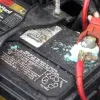
When the alternator no longer charges the battery effectively, the first visible symptom is difficulty starting. The engine may crank slowly, require more attempts, or fail to start altogether. If you recently replaced the battery and the issue persists, the alternator is very likely the primary cause.
Quick test: After starting the engine, disconnect the battery. If the engine stops immediately, the alternator is not producing enough energy.
Fluctuations in light intensity
The vehicle’s electrical system prioritizes essential components (fuel injection, ignition, power steering) over secondary ones (radio, air conditioning, seat heating). When the alternator can’t meet energy demand, you may notice:
- Headlights dimming at idle and brightening with acceleration
- The dome light flickering
- Displays dimming intermittently
Smell of burning rubber
This symptom can indicate several issues related to the alternator:
- Alternator belt slips: A worn or too-loose belt won’t spin the alternator efficiently, causing friction and a burning smell
- Overheating of the alternator: Worn bearings or damaged windings can generate excessive temperatures
- Internal short circuit: Can cause insulation overheating
Unusual noises
A failing alternator produces characteristic sounds:
- Rubbing or whining noises: Indicate worn bearings
- Metallic screeching: May signal issues with the rotor or stator
- High-pitched whines: Often caused by the alternator belt
These noises become more evident at idle and may fade somewhat during acceleration.
Dashboard indicator
Modern cars are equipped with sensors that monitor the charging system. Turning on the battery warning light on the dashboard indicates a problem with the alternator or charging circuit.
Repair or replacement – how to decide
When repair is worthwhile
Minor repairable issues:
- Replacing the alternator belt (cost: 50-150 RON)
- Bearing replacement (cost: 200-400 RON)
- Repair of the voltage regulator (cost: 150-300 RON)
- Replacing carbon brushes (cost: 100-200 RON)
Criteria for repair:
- The alternator is under 5 years old or under 100,000 km
- The fault is localized and easy to remediate
- The repair cost does not exceed 50% of the price of a new alternator
- The vehicle has substantial value
When to replace the alternator
Situations that require replacement:
- Burnt or irreversibly damaged windings
- Cracked or structurally damaged housing
- Advanced wear of several components simultaneously
- The alternator has been repaired previously and the problem recurs
Advantages of a full replacement:
- Full warranty (usually 2-3 years)
- Performance comparable to a new alternator
- Long-term reliability
- Total cost often similar to extensive repairs
Tips for preventive maintenance
For maximizing the life of the alternator:
- Check belt tension periodically – it should not be too tight or too loose
- Keep the cooling system in good condition – overheating affects the alternator too
- Avoid overloading the electrical circuit – don’t run all consumers at idle
- Perform periodic checks – test charging voltage annually
Proper maintenance can extend the life of the alternator by 30-50%, representing significant long-term savings.