- Signaling essentials: 3+ reflective triangles or LED lights; place 20–30m ahead/behind, 50m on motorways
- First aid kit includes bandages, gauze, antiseptic, meds, and instruments
- Tire repair kit provides temporary fixes; tire service must follow
- Chargers and external batteries are vital; phones are lifelines
Statistics show that one in three motorists will be forced to pull over on the roadside within a 12-month period. This reality underscores the importance of a complete and well-organized car emergency kit, which can make the difference between a situation that is easy to manage and one that is dangerous.
A car emergency kit is not only a legal requirement in many countries but a vital tool for your safety and that of your passengers. Although many drivers believe they have a complete kit, the reality is that these kits are often incomplete or contain expired equipment.
Signaling and visibility in emergency situations
Reflective triangles and LED signaling systems
The first essential element of your emergency kit should be the signaling system. Reflective triangles or LED signaling lights are mandatory and can prevent secondary accidents by alerting other road users.
Important technical specifications:
- Minimum 3 ECE-approved reflective triangles
- Position 20-30 meters in front of and behind the vehicle
- On motorways, the distance must be at least 50 meters
- LED signaling lights provide superior visibility in fog or rain
For those traveling in isolated areas, signaling flares can be a viable alternative, providing visibility over long distances.

First aid kit — essential medical equipment
A complete first aid kit can save lives in critical situations. If you have a commercial kit, periodically check the expiration dates of medicines and the condition of the materials.
Complete list for the first aid kit:
Bandaging materials:
- Sterile bandages of various sizes (5 cm, 7 cm, 10 cm)
- Sterile gauze pads
- Leukoplast/adhesive tape
- Elastic bandages for sprains
- Sterile cotton pads
Medications and solutions:
- Antiseptic ointment (Betadine or similar)
- Burn ointment
- Aspirin and paracetamol
- Anti-nausea medication
- Saline solution for eye cleaning
- Hand sanitizer
Medical instruments:
- Stainless steel tweezers
- Medical scissors
- Safety pins
- Digital thermometer
- Sunscreen cream SPF 30+
Tire repair kit
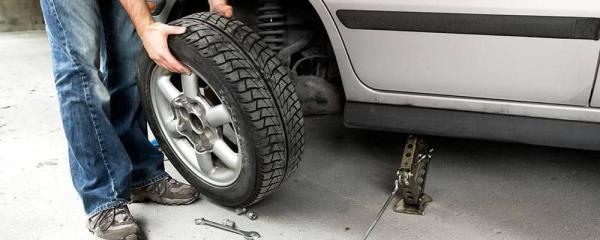
Flat tires are one of the most common issues on the road. A temporary repair kit can be a lifesaver in situations where the spare wheel is missing or is also damaged.
Essential components:
- Foam sealant spray for sealing and inflating small holes
- Cord and adhesive kit for larger punctures
- 12V portable air compressor
- Pressure gauge
- Spare valve core
Important: These wheel repair tools provide only temporary solutions. A visit to the tire service is mandatory after an emergency repair.
Communication and power supply
Chargers and external batteries
Your mobile phone is your lifeline in emergencies. Modern batteries discharge quickly, especially under stress when usage is high.
Recommended solutions:
- Dual USB car charger with fast charge output (2.4A per port)
- High-capacity power bank (20,000 mAh)
- Phone charging cable compatible with your device
- Solar charger for long trips in remote areas
Repair and maintenance equipment
Duct tape — the universal tool
Duct tape is considered by auto experts as the most versatile tool in the emergency kit. It can temporarily fix a range of technical issues:
- Fixing torn hoses
- Temporary repair of body panels
- Sealing cracks in glass
- Medical use when specialized materials are not available
Specifications: Choose a high-quality tape, moisture-resistant and able to withstand extreme temperatures (-40°C to +80°C).
Survival provisions
In situations where you get stranded for long periods, provisions can be vital for survival.
Water and hydration
The general rule is 2 liters of water per person per day. For trips in isolated or desert areas, increase the amount to 4 liters per person.
Storage solutions:
- Food-grade plastic containers
- Flexible water pouches (space-saving)
- Water purification tablets

Non-perishable foods
High-calorie, long shelf-life foods are ideal:
- Nuts and seeds (almonds, peanuts, sunflower seeds)
- Protein and cereal bars
- Dried fruit
- Canned meat or fish
- Energy biscuits
- Glucose tablets for quick energy
Essential auxiliary equipment
Multi-use plastic bags
Durable trash bags are surprisingly useful in emergencies:
- Protection for clothing and equipment
- Collecting rainwater
- Additional insulation when used with newspapers
- Improvised toilet
- Protection of car seats during repairs
Car fire extinguisher
European statistics show about 17 car fires per hour, with 4 deaths per week. A fire extinguisher can save lives and property.
Technical specifications:
- Type: ABC powder (solid, liquid, gas)
- Minimum capacity: 2 kg
- Annual pressure check
- Mounted in a metal bracket within reach of the driver
Special kit for winter season
Extreme weather conditions require specialized equipment that can be stored separately and installed in the vehicle only during the cold period.

Essential winter equipment:
Clothing and heating:
- Thick merino wool socks
- Waterproof gloves with grip
- Fleece beanie
- Hand and foot warmers (chemical activated)
- Thermal blankets (reflective foil)
- Wool or fleece blanket
Tools for snow and ice:
- Snow brush with scraper
- Aluminum folding shovel
- De-icer spray for locks
- Cat litter or special traction salt
- Snow chains (if you don’t have winter tires)
Technical supplements:
- Windshield antifreeze fluid (-30°C)
- Electrical contact spray (WD-40)
- Jump-start cables (minimum 400A)
- Flashlight with alkaline batteries (operates in low temperatures)
Organization and maintenance of the kit
A disorganized emergency kit can be useless in critical moments. Correct organization and periodic maintenance are essential:
Organization system:
- Main airtight, rigid container
- Category-based compartments (medical, technical, food)
- Clear labeling of each compartment
- A list of contents and expiration dates
Inspection schedule:
- Monthly: Battery condition and electronic equipment functionality
- Quarterly: Expiration dates of medicines and foods
- Semiannually: Condition of textile materials and bandages
- Annual: Full replacement of consumables
Optimal vehicle placement
Placing the kit in the vehicle must respect the principle of quick accessibility, but also safety:
- Trunk: main kit, fixed to prevent becoming a projectile
- Cabins: essential emergency items (flashlight, phone, vital medicines)
- Glove compartment: small tools and documents
Preparation for special journeys
Different types of journeys require adaptations of the emergency kit:
Mountain journeys:
- Topographic map and compass
- Emergency whistle
- Paracord
- Altitude sickness medications
Desert trips:
- Double the water supply
- Signaling mirror
- Increased sun protection
- Electrolyte powder
Understanding that a complete car emergency kit can make the difference between a minor breakdown and a dangerous situation is the first step toward responsible road safety. Investing in quality equipment and regularly maintaining the kit are preventive measures that complement car maintenance and contribute to a safe and calm driving experience.