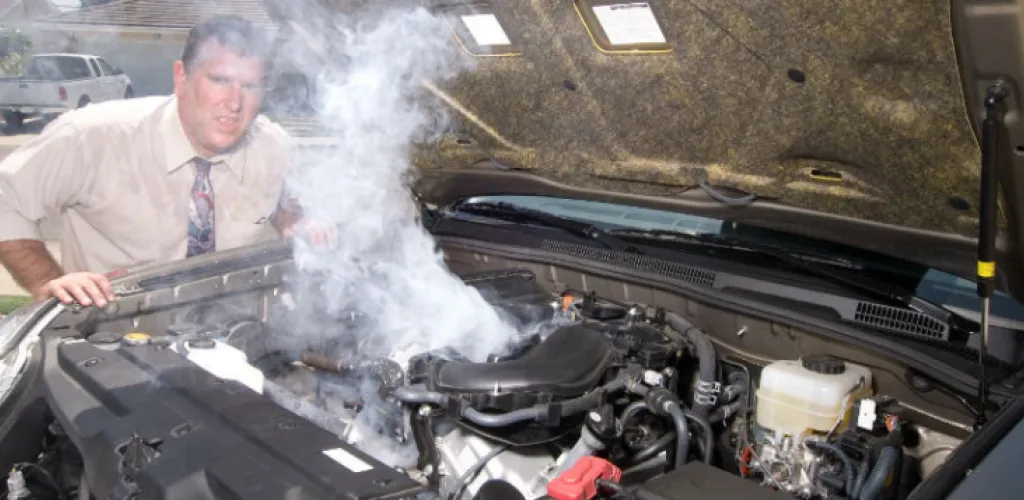
- Overheating risks costly engine damage if not addressed quickly.
- Common causes: coolant leaks, water pump failure, bad thermostat, and radiator problems.
- The cooling system includes water pump, thermostat, radiator, hoses, expansion tank, and fan.
- Warmer weather stresses cooling systems; monitor coolant levels, leaks, and temperature changes.
With the arrival of warmer weather, your car’s engine will experience higher temperatures and the cooling system will have more work to do. Engine overheating is one of the most serious problems a driver can face, potentially leading to costly damage if not addressed quickly and properly.
Knowing the causes, symptoms, and preventive measures can make the difference between a minor repair and a full engine replacement — a difference that can run into thousands of euros.
How the engine cooling system works
To understand why the engine overheats, it is essential to know how the cooling system functions. Most internal combustion engines are equipped with liquid cooling systems that dissipate heat with the help of a radiator.
The coolant circulates through specially designed channels in the engine, absorbs heat from various components, and then the water pump pushes it through the radiator where it is cooled by the airstream.
Components of the cooling system
- Water pump: ensures forced circulation of the coolant
- Thermostat: regulates coolant flow according to temperature
- Radiator: dissipates heat to the atmosphere
- Hoses and fittings: connect the components
- Expansion tank: compensates for changes in volume
- Cooling fan: ensures airflow through the radiator
- Temperature sensors: monitor the system operation
Main causes of engine overheating
Coolant leaks
The most common cause of overheating is coolant leaks, which can appear at:
- Loose connectors and clamps: vibrations can loosen tightening over time
- Cracked or corroded radiator: metal degrades due to corrosion
- Deteriorated hoses: gaskets dry out and no longer seal
- Water pump with worn seals: bearings degrade after many miles
- Burned head gasket: the most expensive problem
- Cracked expansion tank: due to aging plastic
- Deteriorated hoses: cracks from extreme temperatures
These leaks are observed as spots or puddles of liquid under the car when parked.
Water pump failures
Water pump failures can prevent proper circulation of the coolant through the engine. Common defects include:

- Worn bearings: manifested by metallic noise on acceleration
- Damaged or seized rotor: bent blades or deposits blocking rotation
- Worn seals: cause visible leaks at the base of the pump
- Worn impeller blades: reduce the pumped coolant flow
Defective thermostat
The thermostat regulates the engine’s operating temperature. When defective:
- Cooling fan does not operate correctly or cycles irregularly
- Engine heats up too slowly or too quickly
- Temperature fluctuates abnormally during movement
- Cabin heat does not work properly
Radiator problems
Radiator issues can include:
- ** Progressive clogging**: impurities, rust, or sediments reduce flow
- Corrosion cracks: metal deteriorates over time
- Ice blockages: when coolant concentration is too low
- Damaged fins: impact from insects or grime
Fan belt and accessories
- Inadequately tightened belt: slips and fails to drive the water pump
- Ruptured or heavily worn belt: complete loss of drive
- Defective automatic tensioner: cannot maintain optimal tension
Engine oil problems
Oil plays a crucial role in lubrication and reducing friction. Oil issues:
- Incorrect viscosity: oil too thin or too thick
- Worn or contaminated oil: loses lubricating properties
- Low oil level: increased friction generates extra heat
- Poor oil quality: specifications inadequate for the engine
Incorrect coolant concentration
If the coolant is not sufficiently concentrated, it can freeze in winter, creating ice plugs in the cooling system. The optimal concentration is 50% coolant and 50% distilled water.

Symptoms of engine overheating
Primary indicators
The most obvious symptom is the coolant temperature gauge needle in the red zone (above about 110-115°C on most vehicles).
Other warning signs
- Warning lights illuminated on the dashboard
- Steam escaping from under the hood — a sign of severe overheating
- Smell of burnt coolant — sweet and persistent
- Progressive loss of engine power
- Unusual noises — coolant boiling in the system
- Cabin heat no longer working — lack of circulation
- White smoke from the exhaust — may indicate a blown head gasket
Emergency steps when the engine overheats
Initial critical steps
- Pull over safely to the side of the road immediately – do not continue driving
- Turn off the engine to prevent further damage
- Turn off the air conditioning to reduce burden on the system
- Do not open the hood immediately — the temperature can exceed 120°C
- Do not remove the radiator cap — the system is under pressure
Checks after the engine has cooled
After 20-30 minutes of cooling:
- Open the hood carefully — touch metal surfaces first to test temperature
- Check the coolant level in the expansion tank (not in the radiator)
- Look for visible coolant leaks on the ground and on components
- Check the condition of the cooling belt — tension and wear
- Test the radiator with soap and water — foaming indicates cracks
Temporary measures to continue the trip
- For low coolant level: top up with water only after complete cooling
- For small leaks: tighten hose clamps with a wrench
- In heavy traffic: avoid braking in a stop-and-go manner — generates heat
- Use cabin heat as additional cooling in emergencies
When to call roadside assistance
- Large coolant leaks — high risk of engine seizure
- No visible leaks — possible internal problems (pump, thermostat)
- Engine shows no signs of cooling after 30 minutes
- Persistent white smoke from the exhaust — head gasket compromised
Repairs needed and associated costs
Repairs for external leaks
- Tightening clamps: 50-100 lei (labor)
- Replacing hoses: 150-300 lei (parts + labor)
- Radiator repair: 200-500 lei for small cracks
- Replacing expansion tank: 100-250 lei
Repairs for internal problems
- Head gasket replacement: 800-2,000 lei
- Cylinder head resurfacing: 1,200-2,500 lei additional
- Planarity check: service included in resurfacing
Replacing major components
- Water pump: 300-800 lei (replacement recommended with timing belt service)
- Thermostat: 80-200 lei (parts + labor)
- New radiator: 400-1,200 lei depending on model
- Accessory belt: 50-150 lei
Effective prevention strategies
Regular maintenance program
- Coolant replacement: every 2-3 years or per manual
- Concentration verification: autumn and spring with a refractometer (densimeter)
- Oil change: follow intervals (7,500-15,000 km)
- Water pump: preventive replacement at 60,000-80,000 km
- Radiator cleaning: yearly with a high-pressure jet
Recommended monthly checks
- Coolant level — check with the engine cold
- Hose condition — look for cracks or bulges
- Cooling fan operation — test at start
- Operating temperature — monitor while driving
- Belt condition — check tension and wear
Cooling system emergency kit
- 1-2 L of concentrated antifreeze in the trunk
- Universal hose for temporary repairs
- Metal clamps in various sizes
- Distilled water for emergency top-ups
- Self-vulcanizing tape for temporary seals
Preventive driving techniques
- Constantly monitor the temperature gauge
- Repair any leak immediately, no matter how small
- Avoid prolonged idling in hot weather in traffic
- Use cabin heat as an auxiliary cooling in emergencies
- Regular stops for checks on long summer trips
Consequences of severe overheating
Progressive engine damage
- Warped aluminum cylinder head: 1,500-4,000 lei repair
- Burnt head gasket: 800-2,000 lei
- Piston seizure: engine overhaul (8,000-20,000 lei)
- Valve deformation: head repair required
- Bearing damage: partial engine rebuild
Signs of serious damage
- Oil mixing with coolant: foamy fluids
- Drastic power loss: low compression
- Persistent white smoke: coolant burning in cylinders
- Metallic noises: moving parts damaged
Prevention through regular maintenance always costs less than major repairs — the difference can range from a few hundred to tens of thousands of lei!
Conclusion
Engine overheating is a serious issue that requires immediate intervention and rigorous preventive measures. Understanding the primary causes — from simple leaks to water pump failure — helps you recognize warning signs early.
The best strategy remains prevention through regular maintenance, constant monitoring of the cooling system, and prompt reaction to the first symptoms. In case of overheating, stop the engine immediately and assess the situation calmly — a wrong move can turn a repair costing a few hundred lei into a bill in the thousands.
Investing in preventive maintenance and having the proper emergency equipment can save your engine from serious and costly damage, ensuring safe travels in any season.