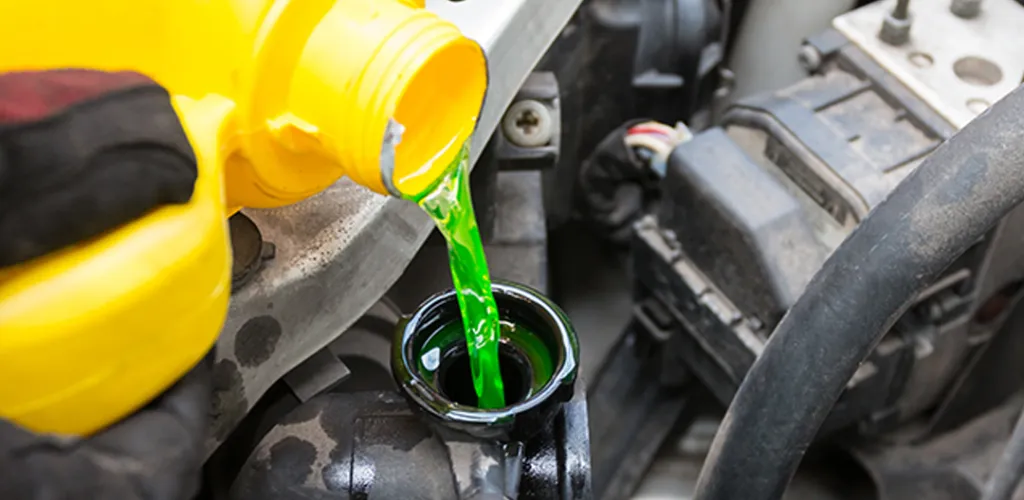
- Engine coolant is made from ethylene or propylene glycol and mixed 50/50 with water.
- It regulates temperature, prevents freezing and overheating, and protects the engine.
- More antifreeze isn’t better; a 50/50 mix is standard.
- Antifreeze also guards against corrosion, preserves materials, and reduces electrolysis.
An internal combustion engine operates by burning a mixture of fuel and oxygen at temperatures above 200°C. This process repeats more than 2,000 times per minute, generating a large amount of heat in a very short time. While the exhaust system expels the hot gases produced by combustion, the metal of the engine components absorbs part of this heat and must be cooled efficiently.
That is where engine coolant or antifreeze comes in, working in tandem with the vehicle’s cooling system. By circulating through the special passages inside the engine, this fluid maintains an optimal operating temperature and protects the engine from damage caused by overheating.
What engine coolant is and how it works
Engine coolant or antifreeze is made from ethylene glycol or propylene glycol, substances that have the ability to absorb and transfer heat from engine components. In its pure form, this liquid expands as temperature increases, which is why it is always mixed with distilled water.
The recommended standard mix is 50/50—half antifreeze, half distilled water. This ratio ensures an optimal balance between cooling capacity and freeze protection. The chemicals in antifreeze prevent the coolant from freezing during low temperatures, hence the term antifreeze.
If the mixture contains more water than antifreeze, the effectiveness of lowering the freezing point drops significantly. A frozen coolant can cause cracking of components such as gaskets, cylinders, or even the engine block, leading to costly damage.
Why 100% pure antifreeze is not used
A common mistake is the belief that more antifreeze means more efficient cooling or better protection against freezing. In reality, the chemicals in antifreeze are designed to expand when heated.
Using pure antifreeze can cause:

- bursting of the radiator internal serpentine tubes
- engine overheating problems
- reduced heat transfer capacity
- excessive pressure in the cooling system
For this reason, the 50/50 mix with distilled water remains the standard recommended by manufacturers.
Additional functions of engine coolant
Contrary to popular belief, engine coolant does much more than maintain the engine at its optimal operating temperature. The benefits of a quality antifreeze include:
- Freeze protection: Eliminating the risk of coolant freezing in winter
- Boiling protection: Raising the coolant’s boiling point to protect during summer
- Anti corrosion protection: Reducing rust and corrosion on metal components
- Material preservation: Keeping rubber, plastic and stainless steel parts in good condition
- Reduction of electrolysis: Contributing to preventing electrochemical damage
Electrolysis phenomenon in the cooling system
As water or coolant circulates through the cooling system tubes, over time it breaks down and loses some of its natural acidity. When this happens, the coolant can become electrically charged — a phenomenon known as electrolysis.

Although it does not represent a significant amount of energy, electrolysis can cause premature wear of certain internal engine components, especially those made of aluminum. To prevent this phenomenon, coolant should be replaced according to the manufacturer’s recommendations.
Difference between coolant and antifreeze
Although the terms are often used interchangeably, there is a subtle technical difference:

- Coolant is the complete mixture that circulates through the engine, radiator, and cooling system
- Antifreeze is the concentrated chemical component ethylene glycol or propylene glycol that is mixed with water to form the coolant
Types of antifreeze available on the market
Inorganic Acid Technology (IAT)
Known as green or yellow antifreeze, IAT is the most commonly used traditional antifreeze type. It is mixed with distilled water and has a lifespan of about three years or 50,000 km. It is compatible with most older vehicles and provides basic protection against corrosion.
Organic Acid Technology (OAT)
OAT is considered the long-life coolant, also known as orange antifreeze. Although many believe it can last up to 180,000 km, it should still be replaced according to the vehicle manufacturer’s recommendations.

Advantages of OAT include:
- Superior corrosion protection
- Extended life
- Compatibility with modern materials (aluminum, plastic)
- Maintaining a stable pH over longer periods
Hybrid Organic Acid Technology (HOAT)
HOAT represents a combination of IAT and OAT technologies, often referred to as global antifreeze due to specifications or certifications (beginning with the letter G). It offers the benefits of both technologies and is compatible with a wide range of vehicles.
How to choose the right coolant
Choosing the wrong antifreeze can be very costly - replacing gaskets or a damaged engine represents major repairs. To prevent overheating and engine damage, always use the coolant recommended in the vehicle’s technical manual.
Steps for correct selection:
- Consult the vehicle’s manual for exact specifications
- Identify the recommended antifreeze type IAT, OAT, or HOAT
- Follow the recommended change intervals
- Use only distilled water for the mix
If you do not have information from the vehicle’s manual, contact a specialized mechanic. They will consult the vehicle’s technical specifications and bring the coolant recommended for your vehicle.
Signs that coolant needs replacement
Pay attention to the following symptoms indicating the need to change antifreeze:
- The color has changed and become cloudy
- Presence of suspended particles
- Persistent sweet smell
- Higher operating temperatures
- Visible corrosion in the cooling system
- Exceeding the recommended change interval
Proper cooling system maintenance by using the right coolant and following replacement intervals is essential for engine longevity and avoiding costly repairs.