- Oil in coolant signals serious engine problems and potential damage
- Oil and coolant serve lubrication and cooling; mixing disrupts balance
- Causes include damaged head gasket, oil cooler failure, piston ring cracks, engine block cracks
- Head gasket symptoms include oil in expansion reservoir, white smoke, loss of power, overheating
Oil in the coolant reservoir is a serious issue that may indicate major engine problems. This situation should not be ignored, as mixing the two fluids can cause costly and irreversible damage to the propulsion system.
Oil and coolant have distinct and fundamental roles in the engine’s operation. Oil provides lubrication for moving components and protects against wear, while the coolant maintains the optimum operating temperature. When these fluids mix, their properties are altered, compromising engine efficiency.
Role and importance of separating engine fluids
Oil acts as an essential lubricant that reduces friction between moving metal parts. It protects components such as pistons, rings, the camshaft, and bearings against premature wear. In addition, oil helps dissipate the heat generated by internal friction.
[coolant] for the engine is responsible for maintaining the optimal operating temperature by circulating through the channels in the engine block and cylinder head. It absorbs excess heat and transfers it to the radiator for dissipation into the atmosphere.
Mixing these fluids disrupts the engine’s thermal and lubricating balance, potentially leading to seized components or overheating.
Main causes of the presence of oil in the coolant
Damaged head gasket
Head gasket is the sealing element between the cylinder head and the engine block. This critical part prevents leaks of liquids and gases between the engine’s chambers.
Repeated overheating can cause deformation or cracking of the head gasket. When this happens, oil can enter the coolant passages, and conversely the coolant can reach the crankcase.

Symptoms of a faulty head gasket include:
- Oil in the expansion reservoir
- White smoke from the exhaust
- Loss of power
- Engine overheating
- Oil lumps in the coolant
Replacing the head gasket is a complex operation that requires partial or complete disassembly of the engine, resulting in high repair costs.
Oil cooler failure
Modern engines are often equipped with oil coolers that use the coolant to regulate oil temperature. These components can develop internal cracks or degraded seals.
A failure of the oil cooler is usually less expensive than replacing the head gasket. Diagnostics can be done by:

- Visual inspection of the cooler
- Pressure testing in the cooling system
- Analysis of the fluid composition
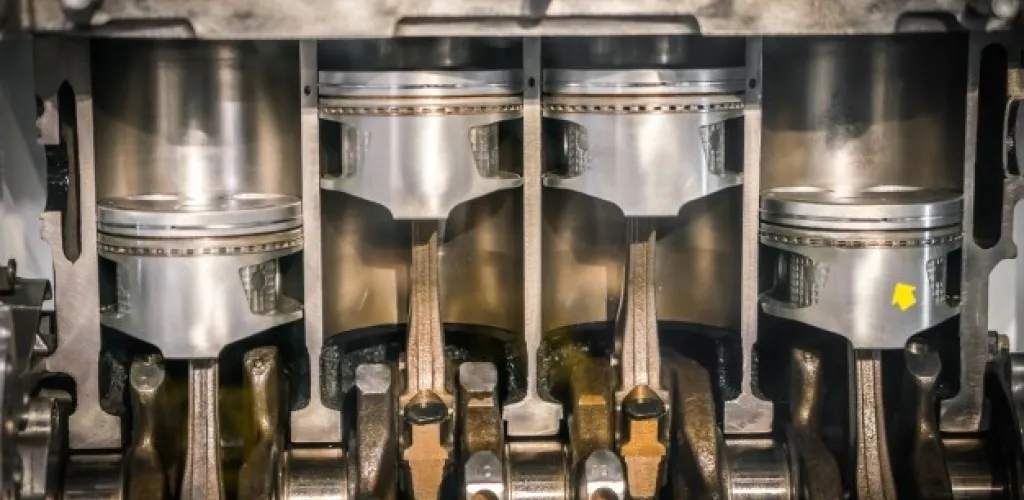
Cracks in pistons or rings
Pistons and piston rings can develop cracks due to severe overheating or extreme wear. These faults allow oil to pass into the combustion chamber and, indirectly, into the cooling system.

Repair involves a complete engine rebuild, with significant costs depending on the make and model of the vehicle.
Cracks in the engine block
The gravest situation is cracking of the engine block, which can occur due to freezing of the coolant or extreme overheating. Cracks in the engine block allow direct communication between the oil system and the cooling system.

This problem usually requires a complete engine block replacement, representing one of the most expensive auto repairs.
Diagnostic methods
Cooling system pressure test
The most effective diagnostic method involves using a pressure tester specific for the coolant system:
- Preparation: Remove the expansion reservoir cap when the engine is cold
- Connection: Attach the pressure tester to the neck of the reservoir
- Pressurization: Apply a pressure of 1.5 bar in the system
- Monitoring: Observe the pressure behavior for 10-15 minutes
A rapid drop in pressure indicates the presence of an internal or external leak.
Visual inspection
Examine the following:
- Coolant color: The presence of oil gives a brownish or opaque hue
- Consistency: Contaminated coolant becomes viscous
- External leaks: Check under the vehicle to rule out external leaks
- Oil condition: Check the color and consistency of engine oil

Fluid composition analysis
Take oil and coolant samples for analysis. Oil contaminated with coolant will show:
- Modified color (usually lighter)
- Altered viscosity
- Diminished lubrication properties
Impact of the mixture on the engine
Compromised lubrication
- Reduced oil viscosity
- Thinning of the lubricating film
- Increased wear on components
- Risk of piston seizure
Disruption of cooling
- Altered thermal properties of the coolant
- Reduced heat transfer efficiency
- Risk of overheating
- Deposits formation in the cooling system
Internal corrosion
- Acid formation from the chemical mixture
- Corrosion of metal surfaces
- Deterioration of gaskets and rubber components
Solutions and recommendations
Immediate intervention
Upon spotting the issue, stop the engine immediately and avoid using the vehicle to prevent further damage.
Professional diagnosis
Request service from a mechanic specializing in:
- Identify the exact cause
- Assess the extent of damage
- Estimate repair costs
Preventive measures
- Regular replacement of coolant according to manufacturer specifications
- Monitor engine temperature
- Periodic checks of fluid levels
- Preventive maintenance of the cooling system

Estimated repair costs
Costs vary significantly depending on the cause of the problem:
- Heat exchanger defective: 300-800 lei
- Head gasket: 1,500-5,000 lei
- Piston rebuild: 3,000-10,000 lei
- Engine block replacement: 8,000-25,000 lei
These estimates may vary depending on the vehicle make, the complexity of the intervention, and the service shop rates.
Early detection of oil in the coolant and rapid intervention can prevent major damage and prohibitive costs. Regular monitoring of engine fluids and preventive maintenance remain the most effective way to avoid this serious issue.