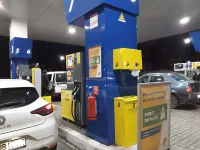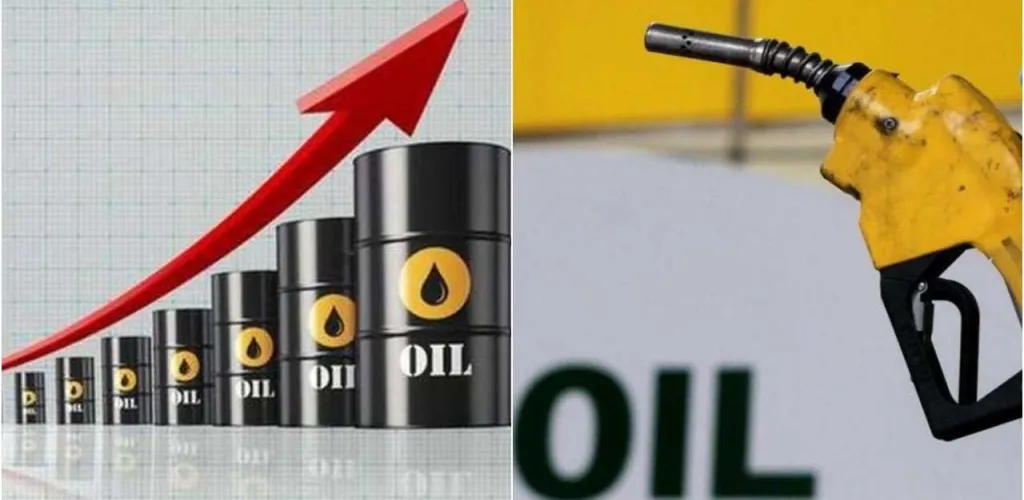
- Gasoline at 8.60 RON/L and diesel above 9 RON/L.
- Crude fell since March 2022 peak, yet pump prices rose.
- Prices decoupled from international crude, signaling local market dominance.
- Refining costs, margins, taxes, VAT, exchange rates, demand, and stocks push prices.
Gasoline and diesel prices at the pump have reached record highs in Romania, with both fuels posting the highest tariffs in history. Analysts’ assessments confirm a worrying trend: price increases are unlikely to stop in the near term, and the decoupling between crude oil prices and pump tariffs raises questions about the mechanisms of the local fuel market.
The decoupling between crude oil prices and retail tariffs suggests that local factors are playing a decisive role in setting final prices, complicating the transmission of international price signals to Romanian consumers.
Price evolution — June 2021 to present
To understand the scale of the phenomenon, it is useful to examine price movements over a longer period. Statistical data paint a clear picture of the gaps that have formed between the international oil market and local fuel prices.
Situation in June 2021
In June 2021, the Romanian fuel market featured the following characteristics:
- Crude oil price: 309 RON per barrel
- Gasoline: approximately 5.63 RON per liter
- Diesel: approximately 5.63 RON per liter
These values represented a relatively stable period for consumers, with predictable prices aligned to international energy market trends.
Peak in March 2022
On March 9, 2022, amid major geopolitical tensions, the oil market posted historical highs:
- Crude oil price: 577 RON per barrel (the highest price in years)
- Gasoline: 8.00 RON per liter
- Diesel: 8.08 RON per liter
This period marked the first shock for consumers, with price increases of around 42% compared to the previous year. Yet subsequent developments would bring even more unpleasant surprises.
Price decoupling — A troubling phenomenon
Normally, pump prices should closely follow the evolution of international crude prices. This fundamental economic principle is currently being violated on the Romanian fuel market.
Paradoxical current situation
Since the March 2022 peak, the barrel price has fallen to 531 RON (a reduction of about 8%). Logically, this decrease should be reflected at the gasoline pumps. The reality, however, is completely different:
- Gasoline: 8.60 RON per liter (up 7.5% from the March peak)
- Diesel: above 9.00 RON per liter (up more than 11% from the March peak)
This counter-intuitive trend raises serious questions about the transparency of price formation in the local market and about the factors that actually drive Romanian tariffs.
Factors contributing to price increases
Beyond the price of crude oil, multiple elements influence the final cost of fuels:
Refining and distribution costs
- Rising operational costs at refineries
- Distributor margins
- Increasing logistics costs (transport, storage)
Taxes and excise duties
- Fixed per-liter tax component
- VAT applied to the final price
- Special fuel excises
Market factors
- Volatility of the USD/RON exchange rate
- Domestic fuel demand
- Dynamics of strategic stock levels
Forecasts for the coming period
Industry analysts do not offer encouraging news for Romanian consumers. Current trends suggest upward pressure on prices will continue.
Possible scenarios
Depending on macroeconomic and geopolitical developments, experts identify the following scenarios:
Optimistic scenario - Stabilization at current levels, with possible small declines (2-3%) if international tensions ease and supply chains improve.
Moderate scenario - Moderate increases of 5-10% over the coming months as the summer season raises fuel demand.
Pessimistic scenario - New historical highs, with prices potentially exceeding 9.50 RON/L for gasoline and 10 RON/L for diesel, should geopolitical tensions worsen or fuel supply face major disruptions.
Impact on consumers and the economy
High fuel prices have cascading effects on the Romanian economy:
- Rising transport costs — For individuals as well as freight operators
- Inflationary pressure — Transport costs feed into the prices of all goods
- Reduction in purchasing power — More money spent on fuel means less for other necessities
- Behavioral changes — Consumers seek alternatives (public transport, carpooling, electric vehicles)
Possible measures to mitigate the impact
In this challenging context, several solutions could help soften the negative effects:
- Greater price formation transparency — Tighter monitoring of margins applied by distributors
- Temporary tax relief — A measure already applied in other European states
- Incentives for alternative transport — Developing infrastructure for electric vehicles and public transport
- Efficiency programs — Educating consumers on economical driving techniques
Conclusion
The fuel price situation in Romania reflects a complex problem with multiple causes and no simple solutions. The decoupling between crude oil prices and pump tariffs suggests that local factors play a decisive role in setting final prices. In the absence of concrete measures, Romanian consumers will have to adapt to a new reality—record prices that continue to rise, irrespective of international oil price movements.
-200x150.webp)