- Romania saw fuel prices surge in 2022, potentially 11 lei per liter; stabilization next year.
- Hungary’s price-cap model limited benefits to Hungarian citizens to curb cross-border arbitrage.
- PSD proposed a 7.50 lei/L cap but lacked coalition backing; costly.
- 0.50 lei/L compensation for 3 months; 2 billion lei budget; split between operators and state.
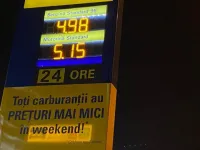
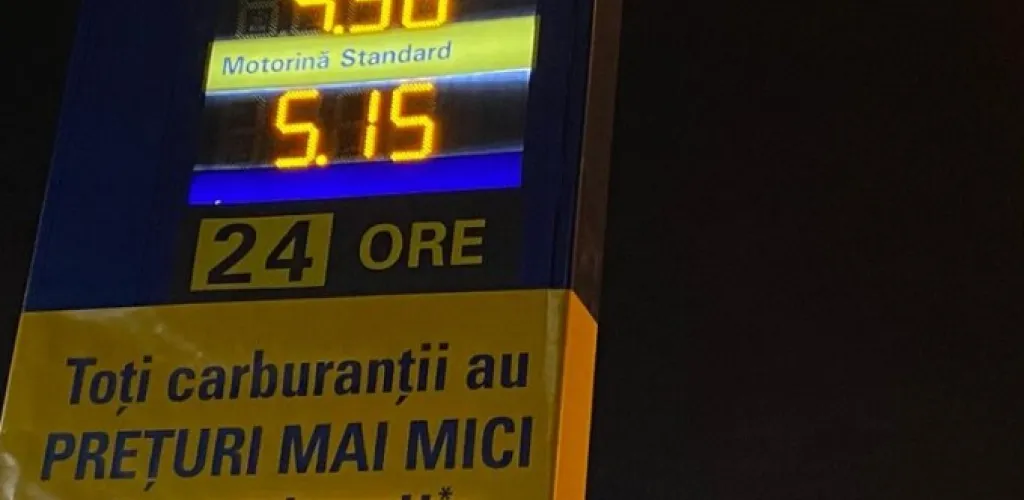
Fuel prices have risen significantly in Romania, nearly doubling in 2022, and the short-term outlook remains challenging. Industry analysts from the petrochemical sector estimate that the price of gasoline and diesel could reach 11 lei per liter, with stabilization expected only at the start of next year. This situation has prompted authorities to seek ways to mitigate the impact on households.
Price cap model in neighboring countries
Hungary was a pioneer in implementing a price cap system for fuels in Central and Eastern Europe. The initial model allowed reduced prices for all consumers, but this approach created opportunities for arbitrage for residents of neighboring countries. The massive influx of foreign drivers at fuel stations near the borders forced the Hungarian government to amend the legislation, restricting cap benefits exclusively to Hungarian citizens.
PSD proposals for price caps
The Social Democratic Party (PSD) recently introduced in parliament a legislative proposal to cap fuel prices. The initial version envisaged a fixed cap of 7.50 lei per liter, a measure that would have granted a substantial advantage to consumers. However, this initiative did not receive the necessary backing from the governing coalition, being deemed too costly for the state budget and difficult to implement without destabilizing market conditions.
Government proposed compensatory solution
Prime Minister Nicolae Ciuca opted for a different approach, based on a compensation system rather than a direct cap. The approved scheme provides a reduction of 0.50 lei per liter from the final price of fuels, distributed as follows:
- 0.25 lei per liter borne by private operators selling fuels
- 0.25 lei per liter covered from the state budget
The measure is planned for a period of 3 months, with an allocated budget of 2 billion lei. This amount represents a significant fiscal effort, but raises questions about its long-term effectiveness.
Criticisms and limitations of the compensation measure
Experts in economics and the majority of drivers consider the adopted measure insufficient and only a partial solution to a complex problem. The main criticisms of this scheme are:
Limited impact on consumers
The compensation of 0.50 lei per liter, while appreciated, represents a modest reduction compared with the substantial price increases observed. For a 50-liter tank, savings amount to only 25 lei, a sum that does not significantly change the monthly expenses of an ordinary driver.
Lack of control over future prices
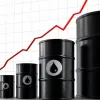
Oil companies remain free to adjust prices according to market conditions. In the absence of a price-cap mechanism, there is a risk that operators will raise prices to offset their share of the reduction, effectively negating the benefits for consumers.
Dependence on external factors
The current geopolitical situation, particularly the war in Ukraine and sanctions on Russia, continues to pressure the European energy market. As long as the European Union does not identify stable alternative sources for oil imports, price volatility will persist. An escalation of tensions in the region could lead to further increases in the price of a barrel of oil, amplifying current problems.
Perspectives and alternative solutions
Industry specialists suggest that more comprehensive measures were needed to truly protect consumers:
- Real temporary cap — a maximum price imposed on the market for a defined period
- Tax and excise reductions — lowering the fiscal burden on fuels to reduce the final price
- Direct subsidies for vulnerable categories — targeted support for transporters, farmers, and other sectors dependent on fuels
- Investments in energy efficiency — programs to promote the transition to electric or hybrid vehicles
Conclusion
The compensatory measure adopted by the government represents a first step in acknowledging the problem, but it appears insufficient to provide meaningful relief to consumers. The 0.50 lei per liter compensation can be quickly eroded by future price increases, turning it into a temporary solution that does not address the structural causes of the crisis.

In the current climate of economic and geopolitical uncertainty, citizens expect concrete and sustainable measures from the authorities, not simple palliatives. Without a long-term strategy that includes energy diversification, investments in alternatives, and a transparent price-monitoring mechanism, the situation for Romanian drivers remains precarious. The coming months will be decisive in assessing whether the current scheme can be extended or if a complete reformulation of the government’s approach to this crisis is required.