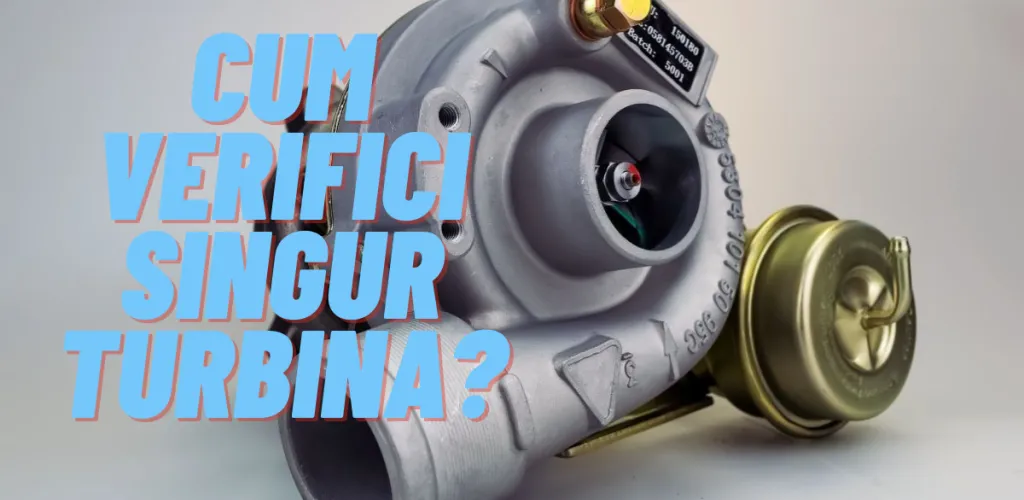
- Turbochargers are highly reliable but require maintenance due to high RPM and complexity
- Slow acceleration, power loss, delayed response, and lower top speed signal turbo issues
- Warning lights (Check Engine, Oil pressure) require professional diagnosis
- Unusual noises include sharp metallic sounds, high-pitched screams, or grinding/whistling
DailyDriven provides you with repair, inspection, and refurbishment services for turbochargers.
If you’d rather not read the entire article, you can get in touch directly with us using one of the two icons at the bottom of the screen, or by phone at 0790449291.
All our work comes with a 12-month warranty, with no mileage limit.
If you want us to contact you, leave your details in the form below.
[[turbo-lead-generator]]
Turbochargers are remarkably reliable components in the automotive industry. Statistics show that the probability they fail due to inherent causes or manufacturing defects is less than 1%. This impressive figure is due to advanced engineering and rigorous tests they undergo during production. However, due to their internal complexity and incredibly high rotation speeds (which can exceed 200,000 rpm), turbochargers require special attention when it comes to maintenance.
Unlike naturally aspirated engines, turbochargers have more moving parts and interdependent systems that wear over time. For this reason, early identification of problems can prevent costly damage and extend the turbine’s life.
Signs of a defective turbo you can identify yourself
Low engine performance - first indicator
- Slow acceleration when overtaking
- Power loss on climbs
- Delayed engine response
- Lower top speed
These symptoms are often the first clues that the turbo is starting to have problems and deserve investigation.

Warning lights on the dashboard
Systematic monitoring by the modern engine management systems (ECU) checks the turbo’s operating parameters through sensors. When anomalies are detected, various warning lights will come on:
- Check Engine - the most common indicator
- Oil pressure light - if the turbo has leaks
- Turbo-specific indicators - on newer vehicles
It’s important to understand that these lights can indicate multiple issues, not just turbo failures. A professional diagnosis with specialized equipment is necessary to identify the exact cause.
Unusual turbo noises
A healthy turbo produces a characteristic, subtle sound that becomes more noticeable under strong acceleration. When the turbo starts having problems, the noises change dramatically:
Noises indicating serious problems:
- Sharp metallic sound - similar to a milling cutter, indicates blade wear
- High-pitched scream - like a siren, suggests damage to the compressor rotor
- Friction/grinding noise - may indicate bearing issues
- Unusual whistling sound - different from the normal turbo sound
If you hear any of these noises, it’s essential to stop the engine and contact a specialist. Continuing to drive can seriously worsen the damage.
Abnormal smoke - important visual indicators
Smoke coming from the exhaust can reveal valuable information about the turbo’s condition:
White smoke
Appears when oil enters the exhaust system due to:
- Cracked turbo housing
- Damaged internal seals
- Problems with the oil drain system
Blue smoke
Occurs when oil reaches the combustion chambers via:
- Worn seals between the turbo and the engine
- Excessive wear of the turbine bearings
- Internal oil leaks
Black smoke
Indicates incomplete combustion caused by:
- Reduced air supply due to a faulty turbo
- Cracked intake hoses
- Clogged air filter
- Wastegate valve failure
Major issues affecting turbos
Oil leaks - main cause of failure
Statistics show that 95% of turbocharger failures are related to oil issues:
Main causes:
- Lack of oil - the most devastating factor
- Poor oil quality - inadequate viscosity or insufficient additives
- Dirty oil - carbon particles block lubrication passages
- Too long intervals between changes - deposits and oxidation
The turbine operates at extreme temperatures and incredible speeds, requiring a constant flow of clean oil to:
- Lubricate the bearings
- Cool internal components
- Dissipate the generated heat
- Protect against corrosion
Foreign objects - a real danger
The turbocharger intakes large volumes of air, and any foreign object can cause severe damage:
Examples of dangerous objects:
- Broken engine parts (bolts, nuts)
- Pebbles and sand particles
- Leaves and plant debris
- Pieces of plastic from the intake system
These objects can:
- Deteriorate compressor blades
- Unbalance the rotor at high speeds
- Completely seize the turbo
- Cause vibrations that affect the bearings
Prevention: Regularly checking and replacing the air filter is essential to prevent entry of foreign bodies.
When to call in professionals
Although you can perform these basic checks yourself, precise turbo problems diagnosis requires:
- Specialized equipment - pressure testers, oscilloscopes, gas analysers
- Technical experience - understanding the engine’s complex systems
- Genuine replacement parts - for durable repairs
- Warranty on work - protection against future defects
Diagnosing turbocharger faults is a complex operation that involves checking not only the turbine but also the connected systems: fuel supply, the air intake system, exhaust, and engine management.
Why choose DailyDriven for your turbo
What we guarantee:
- Qualified personnel in the field
- State-of-the-art equipment
- Vast experience in the field
- 12-month warranty on workmanship, with no mileage limit
- Fast turnaround
[[turbo-whatsapp-call]]