- Naturally aspirated 2.0-liter engines can exceed 200 hp and are reliable.
- NA engines have fewer moving parts, lower stresses, and simpler maintenance.
- Turbo engines add components like turbochargers and intercoolers.
- Emissions rules in the past decade have reduced long-term engine longevity.
In the automotive world, the debate between naturally aspirated engines and turbocharged ones continues to polarize drivers’ opinions. The naturally aspirated engine, the first internal combustion engine ever produced, remains a viable option for many motorists despite the rising popularity of forced-induction powertrains.
Contrary to the belief that naturally aspirated engines do not offer notable performance, there are numerous examples that prove otherwise. Naturally aspirated 2.0-liter engines can develop over 200 hp, and the reliability of these powertrains is recognized worldwide.
Principles of the internal combustion engine
The internal combustion engine is the device that transforms the chemical energy of fuel into mechanical energy through controlled combustion. The heat released in the combustion chamber is converted by pressure into linear motion, then into smooth rotational motion at the crankshaft.
Fuel (gasoline, diesel or LPG) combined with air forms the charge. Combustion can be initiated by direct contact with a heat source (an electric spark plug) or by simple compression (in diesel engines).
During combustion, the temperature inside the combustion chamber reaches over 2000 degrees. The hot gases produced are expelled through the exhaust manifold, catalytic converter, and finally into the atmosphere.

A brief history of engines
The first internal combustion engine (Otto engine) appeared in 1854, but the first heat engine was the steam engine from 1700. A few years after the appearance of the first naturally aspirated gasoline engine, the diesel engine appeared, and in 1910 the first engine with forced air induction (turbo).
Classification of engines by air intake
Internal combustion engines can be categorized by several criteria: the fuel used, the number of cylinders, their layout, or how air enters the combustion chamber. From this last perspective, we distinguish:
- Naturally aspirated engines - air enters by natural aspiration
- Turbo engines - air is compressed by a turbine
- Supercharged engines - air is compressed mechanically
- Twin-induction engines - combine turbine with a compressor
Each type has its own advantages and disadvantages, varying according to the user’s needs.

Detailed comparison: naturally aspirated vs turbo engines
Long-term reliability
Naturally aspirated engines are invariably more reliable than turbo ones due to the following factors:
- Fewer moving parts - absence of turbocharger, intercooler, and numerous solenoids
- Lower mechanical stresses - temperatures and pressures inside are lower
- Simpler maintenance - requires only oil and filter changes, plus spark plugs periodically
In the last decade, due to emission regulations and commercial reasons, engines are not built as long-lasting as in the past. Naturally aspirated V8s or older-generation aspirated diesels routinely surpassed 1 million kilometers.

Advantages of turbo engines
-
Higher power: A turbo engine develops 25-40% more power than a naturally aspirated engine of the same displacement.
-
Favorable taxation: For the same power, a turbo engine of smaller displacement attracts lower taxes.
-
Optimized fuel consumption: Under certain operating conditions, turbo engines can consume less fuel than naturally aspirated ones.
-
Torque at low to mid RPM: The turbine provides superior torque at low and mid RPM, facilitating overtakes.
Disadvantages of turbo engines
- Costly maintenance in the long term
- Lower reliability compared to naturally aspirated engines
- Higher oil consumption
- Careful operation required to protect the turbine

Practical example: Dacia
Taking the Dacia range as an example:
- 1.2 naturally aspirated engine - 75 hp, reduced maintenance, high reliability
- 0.9 turbo engine - 90 hp, superior performance, maintenance costs high
For traffic in Romania and normal daily use, the naturally aspirated engine offers a better cost-to-benefit ratio.

Topmost reliable naturally aspirated engines
Naturally aspirated diesel engines
1. VW 1.9 D - The legendary 65-68 hp engine that regularly surpasses 700,000-800,000 km without major issues. Most examples are still “young” at that mileage.
2. Mercedes 2.0 D - The 55 hp engine from the Mercedes W123 “Cobra,” designed to reach 1 million kilometers. It lasts until the body rusts away.
3. VW 2.0 SDI - A 68-75 hp engine mounted on Golf 5 and Caddy, noted for low consumption and exceptional reliability.
Naturally aspirated gasoline engines
1. Honda K20 - A 2.0-liter engine with 221 hp, proving that Honda knows how to build powerful and reliable naturally aspirated engines.
2. BMW M50B25 - A 2.5-liter engine with 192 hp, noted for exemplary reliability across BMW’s lineup.
3. Audi 4.2 V8 - A 40-valve engine, known for power and long-term reliability.
4. Honda C32A - A 3.2-liter engine with 235 hp for sedans, a true legend for reliability.

Advanced technologies for aspirated engines
Honda’s VTEC system
The VTEC (Variable Valve Timing and Lift Electric Control) system allows naturally aspirated engines to develop impressive power through variable timing.
How it works:
- At low-to-mid RPM: cams with a small profile for stability and reduced fuel consumption
- At high RPM (above 4000 rpm): cams with an aggressive profile for maximum power
This system extends the redline to 8000-9000 rpm and enables horsepower above 100 hp per liter.
Notable examples:
- Honda Integra RSI (1989): 160 hp at 7600 rpm from a 1.6-liter engine
- Honda S2000 (1998): 250 hp at 8300 rpm from a 2.0-liter engine

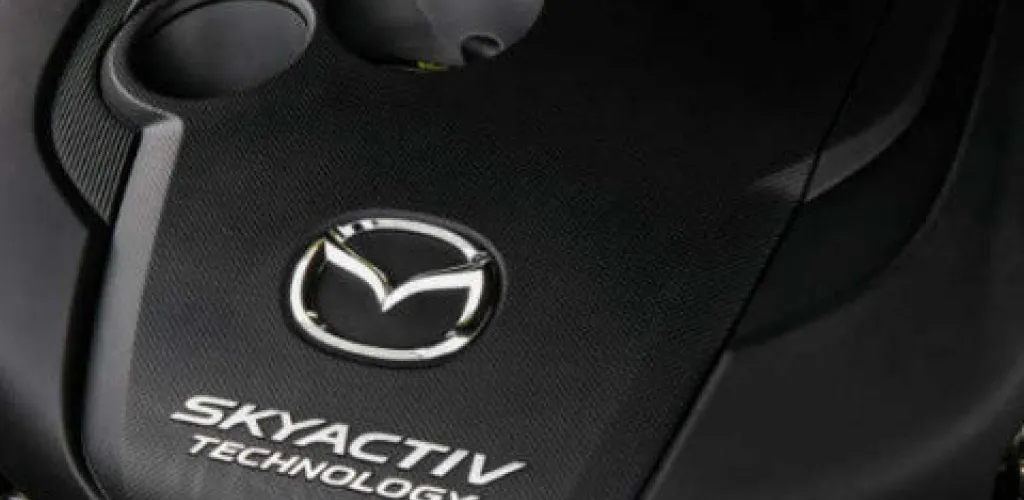
Mazda’s SkyActiv engine
Mazda developed SkyActiv to combine the efficiency of a diesel engine with the power of a gasoline engine.
SkyActiv-G for gasoline engines:
- Higher compression ratio (up to 15:1)
- Improved thermal efficiency by about 10%
- Special exhaust system to reduce residual gases
SkyActiv-X – revolutionary:
- First commercial gasoline engine with compression ignition controlled by spark (SPCCI)
- Combines diesel efficiency with gasoline power
- Variable compression ratio adaptable to operating conditions


The Wankel engine – a revolutionary approach
The rotary Wankel engine, invented by Dr. Felix Wankel before 1900, represents a unique approach in the field of internal combustion engines.
Working principle
- No pistons – uses a triangular rotor in an oval chamber
- Three working chambers operating simultaneously
- Complete cycle achieved by rotating the central rotor
Advantages of the Wankel engine
- Compact size and light weight
- Constant torque regardless of rpm
- High power relative to size
- High rpm capability – redline around 9000 rpm
Disadvantages of the Wankel engine
- High fuel consumption
- Oil consumption in the combustion chambers
- Requires specialized service
- Loss of compression over time with sporty use
Modern examples:
- Mazda RX-8: Renesis engine of 654cc x 2, 250 hp at 8500 rpm
- Engine of the Year award in 2003


Recommendations for Romania
For daily urban use
Naturally aspirated engines are the optimal choice for the following reasons:
- Lower maintenance costs
- Reliability superior over the long term
- Do not require extended warm-up or cooldown periods
- Higher taxes, but offset by savings at service
For frequent interurban trips
Turbo engines can be advantageous for:
- More usable power for overtaking
- Potentially lower fuel consumption at steady speed
- Superior performance on roads with uneven surfaces
Conclusion
Naturally aspirated engines are not a technology that has become obsolete; they are a mature and reliable solution. The choice between naturally aspirated and turbo depends on:
- Type of use (urban vs interurban)
- Budget for maintenance
- Personal driving preferences
- Priority given to reliability vs performance
For the majority of Romanian drivers who use the car daily in an urban environment, a small-displacement naturally aspirated engine (below 2000 cm³) offers the best balance between cost, reliability, and performance for local needs.
Modern naturally aspirated engines with advanced technologies (VTEC, SkyActiv) demonstrate that this category can still be competitive, delivering both reliability and notable performance for driving enthusiasts.