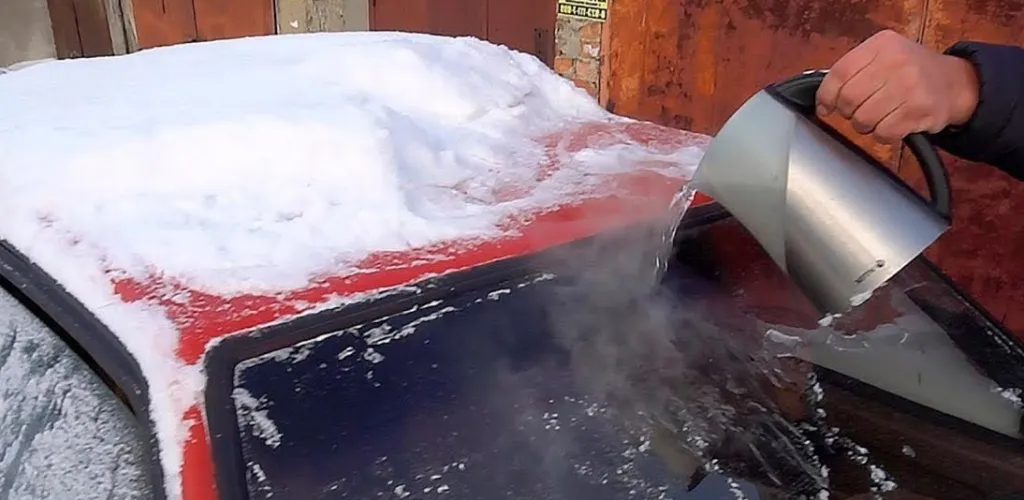
- Pouring hot water can cause thermal shock that cracks or shatters the windshield.
- Let the engine warm and use the defogger for a safe, gradual defrost.
- Defrost sprays or alcohol-based products can help; use with caution and follow directions.
- Use a windshield scraper with proper technique to avoid damage.
Many drivers face the dilemma of quickly defrosting the windshield on cold winter mornings. While the temptation to use hot water to speed up the process may seem logical, this method can have costly consequences. Thermal shock caused by the large temperature difference can crack or even shatter the windshield, turning an apparently quick solution into an expensive repair.
In this guide, we will explore why hot water is not a safe option for defrosting the windshield and what recommended alternatives you can use to safely prepare your car for winter.
How the car’s heating system works in winter
Before discussing defrosting methods, it is important to understand how the vehicle’s heating system works. The engine does not heat up instantly – this process takes time for the coolant to reach its optimal operating temperature.
The climate control system depends directly on the engine temperature to produce warm air. For this reason, on cold mornings, it is essential to let the engine run for a few minutes before starting. This practice protects the engine from premature wear and also allows the ventilation system to begin the natural defrosting process of the windows.
For vehicles equipped with auxiliary heating systems (such as Webasto or Eberspächer), the process is greatly accelerated, allowing the car to be ready in just a few minutes.
Common methods for defrosting the windshield
Waiting for natural warming
The safest method remains letting the vehicle’s ventilation system do the work. Start the engine, activate the defogger, and wait for the warm air to gradually melt the ice from the windows.
Advantages:

- Completely safe for the windshield
- Requires no tools or additional products
- Uniform defrosting
Disadvantages:
- Requires time (10-15 minutes)
- Uses extra fuel
Commercial defrosting products
Specialized defrost sprays contain isopropyl alcohol or glycol, which lower the freezing point of water.
Features:
- Quick effectiveness at moderate temperatures (-5°C to -15°C)
- Works best on thin layers of ice
- Relatively high cost for frequent use
Windshield scraper
The scraper remains a classic tool, but it requires the correct technique to avoid damaging the glass.
Correct technique:
- Use slow, steady motions
- Do not apply excessive pressure
- Periodically clean the scraper of accumulated ice
- Avoid areas with sensors or cameras
Why hot water can damage the windshield
Thermal shock and glass properties
Modern windshields are made of laminated glass, consisting of two layers of glass bonded by a layer of polyvinyl butyral (PVB). While this structure provides impact resistance, glass remains vulnerable to sudden temperature changes.
When you pour hot water (40-60°C) onto a windshield at -10°C or colder, the temperature difference of up to 70°C creates internal stresses in the glass material. These stresses can cause:
- Superficial cracks that can spread over time
- Complete shattering that requires windshield replacement
- Deterioration of the integrated defogging system in the glass
Additional risks of hot water
Secondary freezing: Water left on the windshield surface will freeze quickly, creating an even thicker layer of ice.
Door lock issues: Water running off the body can freeze door handles and locking mechanisms.
Paint damage: Thermal contrast can also affect the paint, especially in areas with existing micro-cracks.
Safe alternatives for quick defrosting
Alcohol–water solution
Mix 1 part isopropyl alcohol (70%) with 2 parts water at room temperature. This solution:
- Does not freeze down to -15°C
- Does not cause thermal shock
- Can be prepared at home
- Is eco-friendly
Preventing ice formation
Use a tarp or cardboard on the windshield overnight to prevent ice buildup. This preventive method is much more effective than any defrosting solution.
Gradual defrosting with lukewarm water
If you insist on using water, follow these strict rules:
- Water temperature: maximum 30-35°C (lukewarm, not hot)
- Apply gradually, starting from the middle of the windshield
- Use the scraper immediately to remove the water
- Do not apply on glass with existing cracks
- Completely avoid if the outside temperature is below -10°C
Financial consequences of mistakes
Replacing a windshield can cost between 500 and 2000 RON, depending on:
- The make and model of the vehicle
- The presence of rain sensors or cameras
- The integrated defogging system
- The type of glass (standard, acoustic, UV-protected)
Additionally, if you have CASCO insurance, damage caused by thermal shock might not be covered, as it could be considered the result of improper use.
Proper winter preparation
To avoid emergency situations, adopt these practices:
- Check the antifreeze: Ensure the cooling system can withstand the temperatures in your area
- Test the climate control system: Check the defogging function before the first cold snap
- Equip yourself properly: Scraper, defrost spray, snow brushes
- Plan for extra time: Reserve an extra 10-15 minutes for car prep
Conclusion
Although hot water may seem like a quick solution for defrosting the windshield, the risks far outweigh the benefits. Thermal shock can turn a few minutes’ delay into an expensive repair and a bigger problem.
The safest options remain waiting for the natural warming of the ventilation system, using specialized products, or applying preventive techniques. Investing time and patience in the morning can prevent substantial costs and unpleasant situations during winter.
Remember that proper winter preparation of your car is not only about defrosting the glass but also about ensuring your safety and that of other road users.