- The water pump drives coolant flow, powered by the timing or accessory belt.
- Coolant leaks, unusual noises, and engine overheating are key signs.
- Overheating stems from low coolant flow, impeller blockage, cavitation, or total failure.
- Ignoring symptoms can damage head gasket and pistons; replace the pump.
The engine cooling system is vital for the optimal operation of the vehicle, and the water pump is the heart of this system. When the water pump fails, the consequences can be severe — from engine overheating to engine seizure, a situation where the engine risks not starting at all.
The water pump plays an essential role in maintaining the circulation of the coolant through the entire system, ensuring that the engine operates at its optimal temperature. This component works by driving an impeller that circulates the cooling fluid from the radiator to the engine and back.
How the water pump works in the cooling system
The water pump operates on the centrifugal principle and is the central component that ensures continuous coolant flow. It is mechanically driven, either by the timing belt, or by the accessory belt, depending on the engine configuration.
Cooling circuit
The coolant circulates through the following main components:
- Engine block - cools the cylinders and pistons
- Cylinder head - maintains the optimal temperature of the valves and combustion chambers
- Radiator - dissipates heat to the atmosphere
- Thermostat - regulates operating temperature
- Hoses and channels - ensures connection of components
Main symptoms of a faulty water pump
Coolant leakage
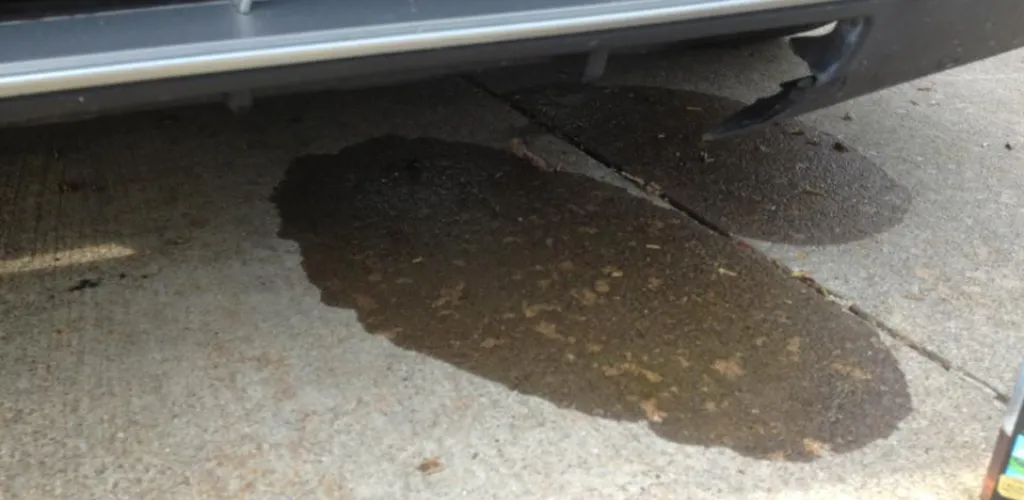
The most common symptom of a faulty water pump is coolant leakage. The pump is equipped with multiple seals and gaskets that, with wear, can allow coolant to escape.
Signs of leaks include:
- Puddles of colored liquid under the car (green, red, blue, or purple)
- Crystallization traces on the water pump and nearby components
- Coolant contamination of the belt
- Characteristic coolant odor in the engine bay

Unusual noises and mechanical problems
Wear on the water pump bearings produces characteristic sounds that intensify with engine speed:
- Persistent squeal — first sign of bearing wear
- Loud metallic noise — indicating the pulley rim coming apart
- Abnormal vibrations — transmitted through the drive belt
- Mechanical play — detectable by manually rocking the pump
These noises should not be ignored, as a temporary fix will inevitably lead to a full pump replacement.

Engine overheating
When the water pump cannot provide the necessary coolant flow, the engine begins to overheat. The temperature gauge in the dashboard will show elevated values, and in severe cases the overheating warning may appear.
Causes of overheating related to the water pump:
- Insufficient coolant flow
- Impeller blockage due to deposits
- Cavitation — air bubbles forming in the system
- Complete pump failure
Ignoring overheating can lead to damage to the head gasket, cylinder walls and pistons, dramatically shortening the engine’s life.

Steam formation from the radiator
White steam issuing from the radiator is a clear sign that the engine is overheating due to a faulty water pump. This situation requires stopping the engine immediately to avoid severe damage.
Emergency procedure:
- Turn off the engine and pull over safely
- Wait at least 30 minutes for the engine to cool
- Check the coolant level (only when the engine is completely cold)
- Contact a car service or a towing platform
Advanced deterioration symptoms
On very worn pumps, other symptoms may appear:
- Cavitation — erosion of impeller blades due to air bubbles
- Advanced corrosion — deterioration of metal components
- Calcium scale deposits — clogging internal passages
- Temperature fluctuations — thermal instability of the engine
Main causes of failure
Natural wear
Like any mechanical component, the water pump wears over time:
- Bearings — after 80,000–150,000 km
- Seals — due to thermal cycling
- Impeller — erosion from abrasive particles
- Housing — cracks from thermal expansion
Factors accelerating wear
Inadequate maintenance:
- Using outdated antifreeze
- Improper antifreeze-to-water mixtures
- Neglecting service intervals
- Using plain water instead of antifreeze
Harsh operating conditions:
- Frequent engine overheating
- Operation in extreme temperatures
- Excessive vibrations in the drive system
- Abnormal pressures in the cooling system
Failure of other components
The water pump can be affected by failures in other components:
- Stuck thermostat — creates overpressure in the system
- Clogged radiator — reduces cooling efficiency
- Tensioned or misaligned belt — improper belt tension
- Temperature sensors — gives incorrect data to the ECU
Diagnosing the water pump
Visual inspection
Initial checks can be performed visually:
- Check for leaks — under the car and around the pump
- Belt condition — coolant stains or abnormal wear
- Coolant level — in the expansion bottle
- Deposits — crystalized coolant on components
Functional tests
Listening test:
- At idle and at different engine speeds
- With and without air conditioning
- Compared to the normal engine sounds
Thermal test:
- Monitoring engine temperature
- Checking the operation of the cooling fan
- Observing temperature fluctuations

Professional diagnosis
At a specialized service, advanced tests can be performed:
- Pressure test — detects internal leaks
- Flow rate measurement — checks pump efficiency
- Coolant analysis — identifies contamination
- Endoscopic inspection — evaluates internal condition
Repair and replacement options
Complete replacement of the water pump
The safest and most durable solution is a full water pump replacement. The process is complex and requires the expertise of a qualified mechanic.
Steps of replacement:
- Complete diagnosis — confirm the water pump failure
- Drain the system — fully drain the coolant
- Disassemble components — access the water pump
- Replace the pump — install a new pump
- System check — test other components
- Fill and bleed — remove air pockets
Associated components recommended for replacement
When replacing the water pump, it is advisable to inspect and replace also:
- Thermostat — for optimal operation
- Hoses — if signs of wear are present
- Glow plugs — on diesel engines
- Timing kit — if approaching the replacement interval

Choosing the right antifreeze
The quality of the antifreeze directly influences the life of the water pump:
Types of antifreeze:
- G11 (Green) — for engines up to 2000
- G12/G12+ (Red) — for modern engines
- G13 (Purple) — latest generation, biodegradable
Properties of a quality antifreeze:
- Superior anticorrosive protection
- Lubricating properties for the pump
- Thermal stability at extreme temperatures
- Compatibility with system materials
Temporary repairs and their limitations
In certain situations, temporary solutions can be attempted:
Replacing only the seals:
- Possible only if the pump is in good condition
- High risk of recurrence
- Temporary saving, higher final cost
Using sealant additives:
- Emergency fix for small leaks
- Risk of system blockage
- Does not address the root cause
Repair costs and influencing factors
Factors that determine the cost
Vehicle type:
- Popular cars (Dacia, Ford, Opel) — moderate costs
- Premium vehicles (BMW, Mercedes, Audi) — high costs
- Rare or classic cars — very expensive parts
Installation complexity:
- Accessory-belt-driven pump — simple labor
- Timing-belt-driven pump — complex dismantling
- Hard-to-reach location — extended labor time
Estimated costs for Romania (2024)
Parts cost:
- Economy cars: 150–500 RON
- Mid-range: 400–900 RON
- Premium vehicles: 700–1800 RON
- OEM vs aftermarket — 30–50% price difference
Labor cost:
- Easy access: 300–600 RON
- Timing belt removal: 800–1600 RON
- Very complex cases: 1200–2500 RON
Auxiliary materials:
- Quality antifreeze: 60–180 RON
- Gaskets and consumables: 80–250 RON
- Timing kit (optional): 400–1500 RON
Strategies for cost optimization
- Preventive replacement — together with the timing belt
- Reliable services — avoiding costly rework
- OEM-grade parts — superior durability
- Complete diagnostics — identifying all issues
Preventing water pump failure
Preventive maintenance
Regular checks:
- Monthly coolant level check
- Visual inspection for leaks
- Monitoring engine temperature
- Checking belt tension
Scheduled maintenance:
- Replacing coolant every 2–4 years
- Flushing the cooling system
- Checking the thermostat
- Testing system pressure
Early warning signs
Early recognition of problems can prevent a full failure:
- Minor temperature fluctuations
- Subtle noises from the water pump
- Slow coolant level drop
- Antifreeze odor in the cabin
Driving conditions
Certain practices can extend the water pump’s life:
- Avoid engine overheating
- Gradual engine warm-up in winter
- Regular cooling system checks
- Use only high-quality antifreeze
When to contact a specialist
Emergency situations
- Acute engine overheating
- Massive coolant leaks
- Loud noises from the water pump
- Steam rising from the radiator
Scheduled checks
- At recommended service intervals
- Before long trips
- At the first signs of wear
- Periodically on high-mileage vehicles
Conclusion
The water pump is a vital component of the engine’s cooling system, and proper operation is essential for the vehicle’s performance and longevity. Early recognition of defect symptoms and swift intervention can prevent much more costly engine damage.
Preventive maintenance, the use of quality materials, and regular monitoring of the cooling system are investments that pay off by avoiding major repairs. In case of any signs of failure, consulting a qualified automotive specialist remains the safest path to keep the vehicle within optimal operating parameters.