- About 30% of the world’s population drives on the left.
- 163 countries drive on the right; 76 on the left.
- Most left-side countries are former British colonies.
- Key regions with left-hand traffic include Southeast Asia, Africa, Oceania, and the Caribbean.
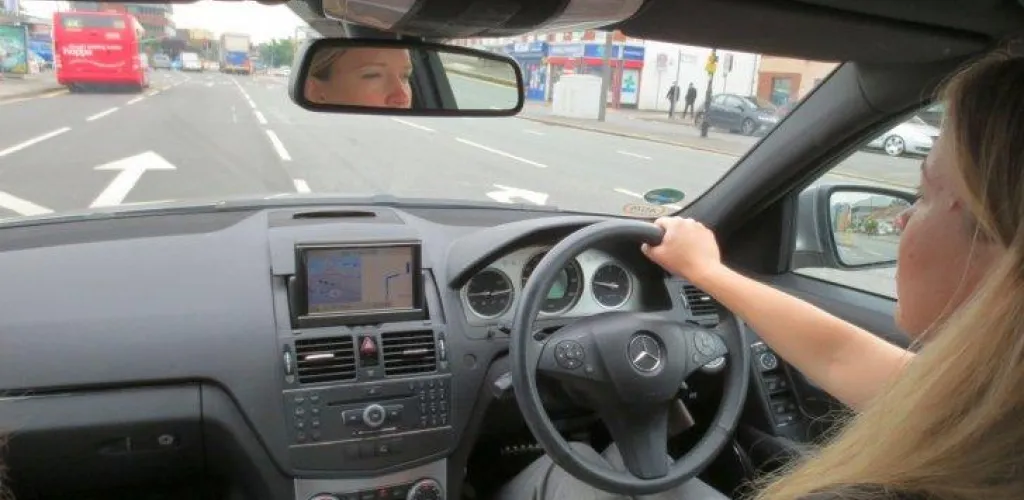
Traffic rules vary significantly from country to country, and one of the most important differences that can confuse drivers is the side of the road on which traffic moves. If in Romania and in most European countries we drive on the right, there are numerous states where vehicles drive on the left side and the steering wheel is on the right.
This peculiarity is not as rare as it might seem at first glance. Global data show that approximately 30% of the world’s population drives on the left, a statistic that often surprises drivers accustomed to European standards.
Global statistics on driving direction
- 163 countries and territories drive on the right side of the road
- 76 countries and territories drive on the left side of the road
Although the number of countries with left-hand traffic is significantly smaller, the total population of these states accounts for about 30% of the world’s population, thanks to highly populated countries such as India, Bangladesh, Pakistan and Indonesia.
Origin of left-hand traffic
Most countries that drive on the left were former British colonies. Britain, as the best-known example of a left-hand traffic country, exported this system to numerous colonies over history.
Zones with the highest concentration of left-hand traffic countries include:
- Southeast Asia: India, Bangladesh, Pakistan, Thailand, Malaysia, Singapore, Indonesia
- Africa: South Africa, Kenya, Uganda, Tanzania, Zimbabwe, Zambia
- Oceania: Australia, New Zealand and most Pacific islands
- Caribbean: Jamaica, Barbados, Bahamas, Trinidad and Tobago
Complete list of left-hand traffic countries
Here you will find all 76 countries and territories where traffic drives on the left and the steering wheel is on the right:
Europe
- United Kingdom (England, Scotland, Wales, Northern Ireland)
- Ireland
- Malta
- Cyprus
- Channel Islands
- Isle of Man
Asia
- India
- Pakistan
- Bangladesh
- Sri Lanka
- Nepal
- Bhutan
- Japan
- Thailand
- Malaysia
- Singapore
- Indonesia
- Brunei
- Hong Kong
- Macau
- Maldives
Oceania
- Australia
- New Zealand
- Papua New Guinea
- Fiji
- Solomon Islands
- Kiribati
- Nauru
- Tonga
- Tuvalu
- Samoa
- Cook Islands
- Christmas Island
- Cocos (Keeling) Islands
- Norfolk Island
- Niue
- Tokelau
- Pitcairn Island
Africa
- South Africa
- Kenya
- Uganda
- Tanzania
- Zambia
- Zimbabwe
- Mozambique
- Malawi
- Botswana
- Namibia
- Lesotho
- Swaziland
- Mauritius
- Seychelles
- Somalia
- Saint Helena
Americas and the Caribbean
- Jamaica
- Barbados
- Bahamas
- Trinidad and Tobago
- Antigua and Barbuda
- Grenada
- Dominica
- Saint Lucia
- Saint Vincent and the Grenadines
- St Kitts and Nevis
- Anguilla
- Guyana
- Suriname
- British Virgin Islands
- U.S. Virgin Islands
- Cayman Islands
- Turks and Caicos Islands
- Bermuda
- Montserrat
- Falkland Islands
Why is it important to know the driving direction
For any driver planning to rent or drive a vehicle abroad, knowing the driving direction is crucial for several reasons:

Road safety: Adapting to traffic on the opposite side of the road requires increased concentration and a period of adjustment. Instincts developed over years can create dangerous situations if you are not aware of the differences.
Different maneuvers: Simple operations such as overtaking, approaching intersections, or parking become more complex when performed with the mirror of what you’re used to.
Vehicle controls: In most right-hand drive vehicles, the control placements are inverted – indicators and wipers are on opposite sides from what you know.
Visibility: Drivers not used to right-hand drive can have difficulty judging distances, especially during overtaking or parking.

Tips for driving in left-hand traffic countries
- Do advance research about all country-specific traffic rules.
- Practice in a safe place before venturing into urban traffic.
- Pay extra attention at intersections and during the first days of adaptation.
- Use an automatic transmission vehicle if possible to reduce complexity.
- Avoid night driving in the first days until you acclimate.
- Be careful at roundabouts — the traffic direction in roundabouts is opposite.
Conclusion
Although the 76 countries and territories with left-hand traffic represent a minority globally, they host around 30% of the world’s population. Whether you’re traveling for business or for pleasure, timely information about local traffic rules is essential for your safety and that of other road users.
Adapting to a different traffic system requires time, attention, and practice, but with proper preparation, drivers can navigate safely on the roads of any country, regardless of which side of the road traffic travels.