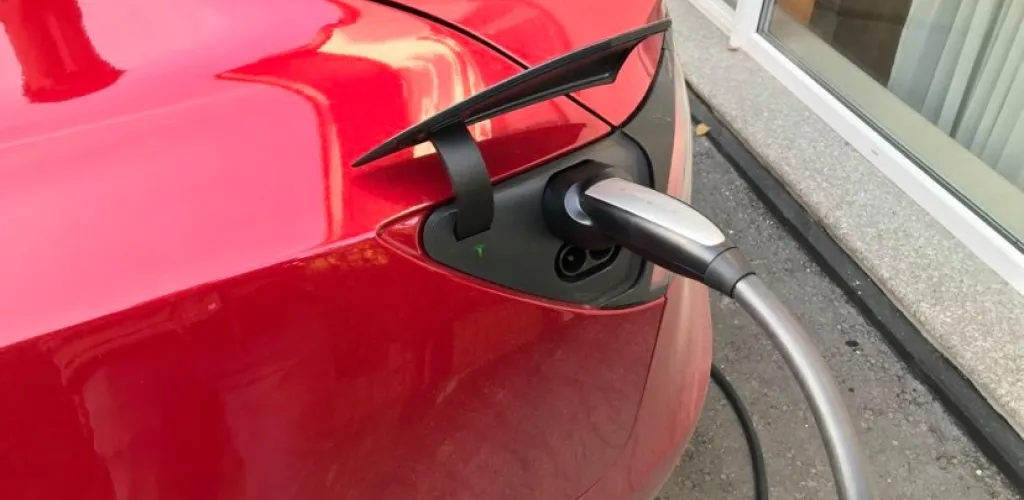
- Romania had about 400 charging stations in 2019, with only 25% fast chargers.
- Very fast DC chargers: 100–350 kW, 30–60 minutes to 80%.
- Public charging stations at gas stations, malls, hotels, and specialized operators.
- Home charging is low-cost and convenient; detached homes are simplest.
Choosing a charging station for electric vehicles is a crucial decision for any owner of an electric car or for those who plan to buy one. The charging infrastructure in Romania is developing rapidly, and understanding the available options can help you make the best decision for your needs.
In this guide you will find all the information you need about charging station types, costs, home installation, and practical tips to choose the optimal solution.
Types of charging stations for [electric vehicles]
Very fast chargers (Fast chargers)
- Power: 100 kW - 350 kW
- Operate exclusively on direct current (DC)
- Charging time: 30–60 minutes to reach 80% battery
- Primarily intended for long-distance travel and commercial use
Fast chargers
- Power: 7 kW - 22 kW
- May use alternating current (AC) or direct current (DC)
- Charging time: 3–4 hours for a full charge
- Ideal for urban use and at the workplace
Slow chargers
- Power: 3 kW - 6 kW
- Operate on AC
- Charging time: 8–12 hours for fully electric vehicles, 2–4 hours for plug-in hybrids
- Perfect for overnight home charging
Connection and plug types
Slow chargers typically use:
- Standard three-pin outlets for low power
- Type 2 connectors for higher power
- Connection cable usually supplied with the vehicle

Charging infrastructure in Romania
Current state of the charging network
According to industry studies, by the end of 2019 Romania had around 400 charging stations installed. Of these:

- Only 25% were Fast chargers
- 33% (approximately 133 stations) had at least two charging points
- The infrastructure was considered underdeveloped
Where to find public charging stations
Currently, charging stations are available at:
Gas station chains
- OMV, Petrom, Rompetrol and other major companies
- Strategically located on main routes
Shopping centers and supermarkets
- Kaufland – extended installation program across the country
- Mega Image – in parking areas in Bucharest and other major cities
- Lidl – in partnership with specialized operators
- IKEA – in store parking lots
Specialized operators

- Renovatio Asset Management
- E.ON Drive
- Restart Energy
- Transelectrica – at strategic points
Hotels and restaurants
- Major hotel chains are starting to offer charging services
- Restaurants on motorways and European routes
[Home charging station installation]
Advantages of residential charging
Residential charging offers numerous benefits:
- Low cost: You use the residential electricity rate
- Convenience: The vehicle charges overnight, with no trips required
- Safety: Charging in a controlled environment, without exposure to the elements
- Flexibility: You can schedule charging during off-peak hours
Options for different dwelling types
Detached house with a garage
- The simplest implementation option
- Minimal installation costs
- Direct access to your own electric meter
- Potential installation of a 7–22 kW station
Apartment in a building This situation requires more planning and may involve:
-
Option 1: Connection to the building’s communal system
- Requires approval from the homeowners association
- Billing similar to public rates
- Installation in the communal parking area
-
Option 2: Connection to the apartment’s electrical system
- Approval from the administration required
- Technical design and energy audit
- Wiring to the parking space
- Higher implementation costs

Calculating charging costs
Residential charging
In Romania, the average residential electricity tariff is approximately 0.5 lei/kWh, making home charging the most economical option.
Public charging - prices and variations
Public charging stations apply different tariffs:
- Standard stations: 1.00 - 1.25 lei/kWh
- Fast stations: 1.25 - 1.45 lei/kWh
- Ultra-fast stations: 1.45 - 1.95 lei/kWh
Practical cost example
Considering an electric vehicle with the following specifications:
- Battery capacity: 75 kWh
- Efficiency: 16 kWh/100 km
- Range: 523 km (combined cycle)
- Charging station: 11 kW (fast type, residential use)
Charging time calculation: 75 kWh ÷ 11 kW = 6.82 hours
Cost calculation (residential tariff): 75 kWh × 0.5 lei = 37.5 lei
Cost calculation (public fast station): 75 kWh × 1.25 lei = 93.75 lei
Installing a home charging station
Purchase costs
Prices vary by station type and features:
Slow and fast chargers (for home use)
- Range: €500 - €4,500
- Power: 3 - 22 kW
- Recommended for residential use
Ultra-fast chargers (for commercial use)
- Price: around €20,000
- Power: 50 - 350 kW
- Primarily intended for commercial activity
Factors influencing total cost
- Station power: more powerful stations cost more
- Cable length: distance to the electrical panel
- Installation complexity: need for special works
- Connector type: multi-connector stations are more expensive
- Smart features: monitoring, scheduling, mobile apps

Technical and installation requirements
Electrical connection
- Connection to the building’s electrical system
- Requires assessment of existing capacity
- May require upgrading the electrical installation
Permits and documentation
- Technical project prepared by a licensed specialist
- Approval from the energy supplier (if applicable)
- Periodic verification according to standards
Professional installation Installations must be carried out exclusively by:
- ANRE-authorized companies
- Installers with experience in EV charging stations
- Compliance with safety standards
Maintenance and warranty
Maintenance requirements
- Periodic checks with the electrical installation revision
- Cleaning of connectors and the station
- Monitoring charging performance
Product warranty
- Standard warranty: 2 years
- Extended warranty option available
- Warranty of workmanship for the installation
Planning and recommendations for future EV owners
Assessing personal needs
Before deciding the station type, consider:
- Type of use: urban, interurban, or mixed
- Vehicle range: influences charging frequency
- Available time: rapid charging vs. overnight charging
- Budget available: initial and operational costs
Preparing for the future
The charging infrastructure in Romania is developing rapidly, but:
- Plan a backup solution: home charging + access to the public network
- Consider technological evolution: newer stations may be more efficient
- Evaluate frequent routes: identify stations along your typical trips
Tips for the best choice
- Detached home: a 7–11 kW station is usually sufficient
- Apartment: assess cost-benefit vs. public charging
- Heavy use: consider a 22 kW station if your installation permits
- Families with multiple EVs: plan for additional capacity
In conclusion, investing in a home charging station can be very advantageous in the long term, offering independence and reduced operating costs. However, given that the national infrastructure continues to develop, it is important to evaluate all available options and choose the solution that best fits your lifestyle and budget.
Article written in partnership with Revicon. For more details about installing a charging station you can contact them on their site.