- Warranty isn’t automatic void; manufacturers must prove the modification caused the defect
- Cat-back mostly safe; header-back and turbo-back increase warranty risk
- Risk areas: catalytic damage, sensor readings, turbo issues, ECU remapping
- Document parts/install, use reputable suppliers, professional fit, consult dealer
Many modern cars come with exhaust systems that make numerous compromises to function reasonably across a wide range of conditions. For this reason, many owners consider aftermarket upgrades that promise more power, a nicer sound, and even [fuel economy] improvements.
In most cases, changing the exhaust system does not automatically void the warranty, but there are important nuances to know to avoid unpleasant surprises.
Legal principles governing warranty and modifications
In Romania, as in most European countries, automakers cannot void a warranty simply because you installed aftermarket parts. Legislation protects consumers from such abusive practices. However, there is a crucial difference: if an aftermarket part directly causes a malfunction, that specific malfunction will not be covered by the warranty.
This principle is called “direct causation” - the manufacturer must demonstrate that your modification caused the defect in order to deny warranty coverage.
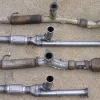
Types of exhaust systems and associated risks
Cat-back systems
These replace the exhaust from the catalytic converter up to the exit and are considered the safest modifications. The risk of affecting the warranty is minimal, as they do not modify engine parameters or emissions.
Header-back systems
They replace the entire exhaust, including exhaust headers. They can influence cylinder pressure and engine temperature, increasing the risk of warranty-related issues.
Turbo-back systems
For turbocharged cars, these systems can affect boost pressure and turbine operation, carrying the greatest potential to cause warranty-covered issues.
When a warranty can be voided
- Catalytic converter damage: A too-performant system can cause excessive temperatures that damage the catalytic converter
- Sensor problems: Changing pipe diameters can affect oxygen sensor readings
- Turbo failures: On turbocharged cars, modified exhaust can cause pressure issues
- Mapping issues: Systems that dramatically change the flow of exhaust gases may require ECU remapping
Tips for preserving the warranty
Document everything
- Keep receipts and quality certificates of the parts
- Photograph the professional installation
- Keep the original parts for potential reinstalls
Choose reputable suppliers
- Opt for well-known brands with CE certifications
- Check whether the products comply with Euro 6 standards
- Look for systems with TÜV approval or similar
Professional installation
- Use workshops specialized in auto modifications
- Request a workmanship warranty
- Ensure that other sensors are not affected during installation
Communication with the dealer
Before modifying, have an open discussion with the dealer or the authorized service. Many are willing to provide written clarifications on what modifications are acceptable without affecting the warranty.
Important questions:
- What modifications are allowed without affecting the warranty?
- What documentation is required for aftermarket parts?
- Is there a possibility of pre-approval?
Technical considerations
Before any modification, consider:
- Backpressure: Very free-flowing systems can reduce torque at low RPM
- Exhaust gas temperatures: Modified exhaust can affect operating temperatures
- Emissions: Ensure the car will pass the vehicle inspection (ITP)
- Noise: Check legal limits for noise levels
Final recommendations
Changing the exhaust system does not automatically void the warranty, but must be done intelligently. The best approach is to choose a quality system, have it installed professionally, and keep all documentation.
If problems arise, don’t hide the modifications - transparency with the authorized service can help you avoid unnecessary conflicts and find quick solutions.
Remember: the warranty is a legal right, not a favor from the manufacturer. Knowing your rights protects you from abusive practices and allows you to enjoy your modified car without worries.