- Stricter penalties now apply for abusive parking, including towing and fines.
- Law 273/2020 regulates towing of illegally parked vehicles in public spaces.
- In Bucharest, total costs can reach up to 2,500 lei for fines, tow, and storage.
- Enforcement varies; many cases resolved informally, but legal rights allow official action.
Abusive occupation of a parking space belonging to another driver has become an increasingly common problem in Romania’s major cities. With the introduction of stricter regulations, drivers who choose to park in spaces reserved for others risk significant penalties, which can include fines and even towing of the vehicle.
These measures aim to curb such behavior and protect the rights of drivers who legally pay for parking spaces.
Evolution of legislation regarding abusive occupancy of parking spaces
Before the recent legislative changes, illegally occupying a parking space was sanctioned relatively easily. In most cases, drivers received only a warning, and the local police resolved situations without imposing substantial additional penalties.
This permissive approach was changed by introducing firmer measures aimed at discouraging such behavior and protecting the rights of drivers who legally pay for parking spaces.
What penalties do drivers who abusively occupy parking spaces face
Towing the vehicle
According to Law 273/2020, which regulates the conditions under which vehicles parked illegally in public spaces can be towed, the unauthorized use of a parking space can be sanctioned with the towing of the vehicle. This measure applies regardless of whether the space is in a residential parking area or in other public areas designed for parking.
Financial costs
Drivers who abusively occupy others’ parking spaces will have to pay:
- The fine prescribed by law for the offense
- Fees for recovering the car from the tow yard
- Storage costs for the period the vehicle remains in the tow yard
In Bucharest, these cumulative costs can reach up to 2,500 lei, a substantial amount that should make drivers think twice before occupying a space that does not belong to them.
How you can proceed when someone occupies your parking space
Legal steps to follow
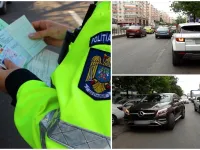
- Contact your local police to report the abusive occupation
- Present the necessary documents when the police arrive:
- Identity documents
- The decision showing you own that parking space
- Any proof of payment for that parking space
- Cooperate with authorities for applying the sanctions provided by law
Documents you should have on hand
- The contract or allocation decision for the parking space
- Receipts proving payment for the parking space
- Updated identity documents
- Any correspondence with the administration that manages the parking
On-the-ground reality vs. enforcement of the law
Although the legislation provides clear tools to sanction abusive parking, in practice many of these situations are still resolved informally. Drivers often prefer to speak directly with the person who parked in the space, avoiding official procedures and the time required for authorities’ intervention.
However, knowing your legal rights and the procedures available gives you confidence to resort to firm measures when amicable discussions do not yield results.
Recommendations to avoid problems
- Always verify that the parking space is free and does not belong to someone else
- Look for legal parking alternatives, even if it means a longer walk
- Respect markings and signs delimiting private parking spaces
- In case of an emergency, contact the owner of the space to request temporary permission
Knowing and respecting these rules not only protects you from financial penalties, but also contributes to a climate of mutual respect among drivers and to a more civil management of limited parking spaces in large cities.