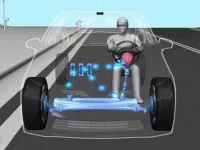
- Electronic parking brake uses rear-disc motors and a button to lock rear wheels
- Provides more cabin space, comfort, and automatic release on acceleration
- Sensors monitor status; self-diagnostic, fault signaling, and hill-start assist
- Maintenance: periodic checks; battery drain can lock brake; emergency manual release; diagnostics require specialized equipment
Electronic parking brakes have become a standard feature on many modern cars, replacing the traditional mechanical lever with a simple electronic button. The system offers greater comfort and more cabin space, while maintaining the vehicle’s parking safety.
How the electronic parking brake works
The system is operated by two electric motors mounted at the rear brake discs. When you press the dedicated button, these motors activate the braking mechanism, locking the rear wheels and ensuring the vehicle is securely immobilized.
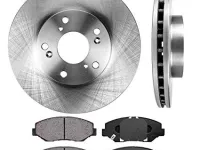
The electric motors actuate the brake caliper piston, pressing the brake pads against the disc with enough force to keep the car in place, even on steep slopes. The system includes sensors that continuously monitor the brake status and communicate with the onboard computer.
Simple and intuitive operation
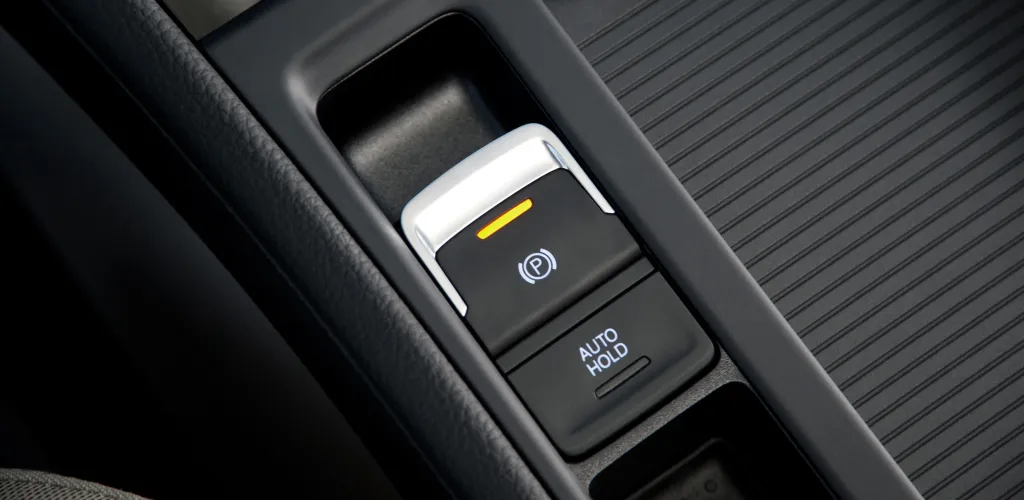
- Press and hold the electronic parking brake button
- Wait for visual confirmation — a light indicator will illuminate on the button
- The dashboard indicator light will confirm that the handbrake is engaged
To release the brake at start-up:
- Step on the brake pedal
- Press the electronic parking brake button
- The car is ready to move
On most modern vehicles, the system can automatically deactivate upon acceleration, providing greater comfort in traffic.
Advantages over the mechanical handbrake
More space in the cabin
Removing the conventional handbrake lever frees up valuable space in the central console area. Manufacturers use this space for:
- Additional storage compartments between the front seats
- Larger cup holders
- Larger central consoles
- Cleaner, more modern interior design
Increased comfort during use
The electronic system eliminates the physical effort required to pull the conventional lever. This is especially beneficial for people with hand issues or drivers who park frequently in city driving.
Safety and reliability
The electronic brake offers greater precision than mechanical systems:
- Constant braking force, regardless of temperature or wear
- Prevention of accidental brake release
- Integration with hill start assist systems
- Self-diagnostic and fault signaling
Maintenance and practical considerations
- Periodically check the operation of the button and the indicator lights
- A discharged battery can lock the brake in the engaged position — many systems have an emergency manual release procedure
- The brake pads and discs require the same maintenance as in conventional systems
- In case of fault, diagnosis requires specialized equipment
The electronic brake system represents a logical evolution in modern automotive technology, combining comfort, safety and space efficiency. For most drivers, moving from mechanical to electronic braking quickly becomes a habit and delivers real benefits in daily use.
Photo source: carwow.co.uk