- Hybrids combine internal combustion engines with electric motors for efficiency.
- Three major hybrid types exist: series, parallel, and series-parallel.
- Series hybrids power wheels electrically; engine acts only as a generator.
- Parallel hybrids use both sources and retain a conventional transmission.
Hybrid cars represent automotive technology that combines the power of an internal combustion engine with that of an electric motor, offering an efficient alternative to conventional vehicles. This revolutionary technology allows drivers to benefit from significant fuel savings while preserving the flexibility of fueling at traditional gas stations.
The main goal of hybrids is to provide owners with superior fuel economy, without sacrificing daily comfort and practicality. The popularity of these vehicles exploded starting in 1999 in the United States and continues to grow as technology improves and costs fall.
Main Types of Hybrid Vehicles
Piața actuală este dominată de trei tipuri majore de sisteme hibride, fiecare cu caracteristici distincte și aplicații specifice.
Series Hybrid
This system uses the electric motor as the primary source of power for the wheels, and the gasoline engine operates solely as a generator of electric energy. Essentially, the vehicle runs as a fully electric car, with the internal combustion engine serving only to charge the batteries.
Caracteristici principale:
- Power delivered to the wheels is 100% electric
- No conventional transmission required
- High-capacity batteries
- Potential to plug into the grid (plug-in)
- Reduced fuel consumption in the early kilometers
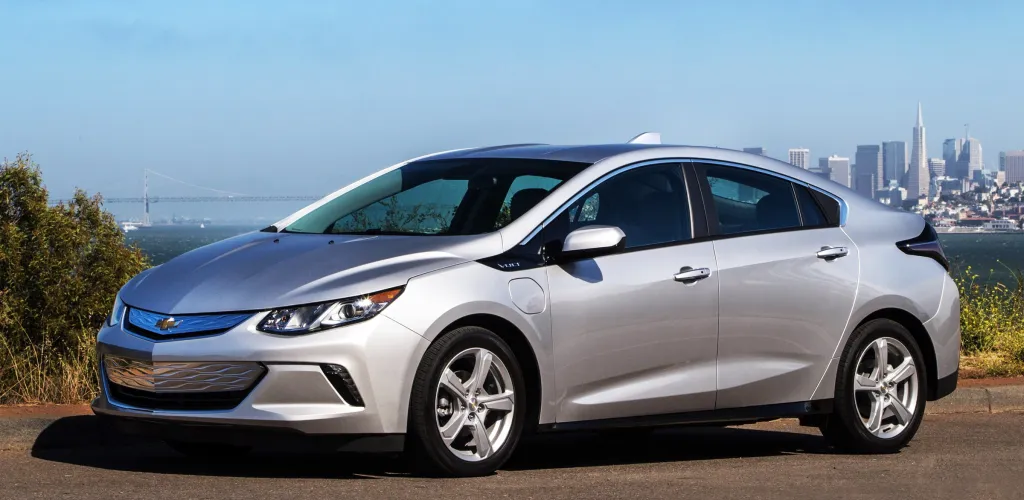
Representative examples: Chevrolet Volt and Fisker Karma.
Parallel Hybrid
In this arrangement, both the electric motor and the gasoline engine can transmit power directly to the wheels. The system resembles a conventional internal combustion engine car, with the electric motor assisting the engine.

Technical characteristics:

- Electric motor integrated into the transmission system
- Typical placement between the engine and the crankshaft
- Conventional transmission retained
- Batteries of medium capacity
- The most widespread type of hybrid on the market
Popular models: Honda Civic Hybrid and Chevrolet Malibu.
Series-Parallel Hybrids
This advanced system can switch between series and parallel operation, or can use both modes simultaneously. At low speeds, the vehicle can operate solely on electric energy, and at high speeds it switches to the gasoline engine for maximum efficiency.

Operational advantages:
- Maximum flexibility in energy sources
- Automatic optimization based on driving conditions
- Superior efficiency across all operating regimes
- Advanced energy management technology
Emblematic model: Toyota Prius, alongside BMW and Mercedes that produce similar systems.
Fuel-Saving Mechanisms
Vehicles powered by hybrids use several sophisticated technologies to reduce fuel consumption and harmful emissions.
Regenerative Braking
When braking, the electric motor becomes a generator, recovering the vehicle’s kinetic energy and converting it into electrical energy to charge the batteries. This technology, called Regenerative Braking, is unique to vehicles with integrated electric motors.
Beneficii tehnice:
- Recovery of energy that would otherwise be lost as heat
- Automatic charging of the batteries without fuel consumption
- Reduced wear on brake pads
- Increased vehicle range
Automatic Start-Stop System
The gasoline engine stops automatically when the vehicle is stationary and restarts instantly when the driver releases the brake. The electric motor provides immediate starting, eliminating fuel consumption during idle.

Start-Stop technology is standard on nearly all modern hybrids, unlike conventional vehicles where it is still optional.
Plug-in Hybrids
These vehicles can be connected to the electrical grid to charge the batteries, further reducing dependence on fossil fuels. For short distances, they can operate purely electric.
Choosing the Right Hybrid for Your Needs
For Short Urban Trips
An hybrid with a large battery and the ability to operate in full-electric mode is ideal for:
- Daily city commuting
- Trips under 50 km
- Congested traffic with frequent stops
- Availability of plug-in charging
Series or series-parallel hybrids are the optimal option for this use.
For Long Trips and Highway Driving
For longer journeys, series-parallel hybrids offer the best balance between efficiency and performance:
- Optimized operation at high constant speeds
- Extended range without the need to recharge
- Fueling flexibility
- Comfort on long distances

Hybrid Vehicle Performance
For sporty applications, series-parallel hybrids offer unique advantages by combining instant electric torque with the high-revving power of the internal combustion engine. Hybrid technology is used in Formula 1 and in supercars for superior performance.
Avantaje în performanță:
- Cuplu maxim disponibil de la 0 rpm (motor electric)
- Putere combinată superioară
- Tracțiune îmbunătățită
- Răspuns instant la accelerație
Maintenance and Reliability Considerations
Maintaining a hybrid vehicle requires specialized attention given the complexity of integrated systems.

Maintenance Aspects
High-voltage batteries:
- Typical lifespan: 8-15 years
- Extended warranties from manufacturers
- Thermal management systems
- Periodic recalibration required
Complex electronic systems:
- Specialized diagnostics required
- Software updated regularly
- Multiple sensors for monitoring
- Equipment specific to service
Maintenance recommendations:
- Service at authorized dealers or specialized mechanics
- Annual check of hybrid systems
- Constant monitoring of Check Engine messages
- Standard maintenance for mechanical components
Long-Term Challenges
Although hybrid technology has proven reliable, important considerations exist:
- Potentially higher repair costs
- Need for specialized replacement parts
- Rapid evolution of technology
- Uncertainties regarding durability in the very long term
Future Prospects of Hybrid Technology
The auto industry is rapidly moving toward electrification, and hybrids represent a natural bridge to fully electric vehicles. Ongoing improvements in battery technology, lower costs, and the development of charging infrastructure make hybrids an attractive option.
Factors to consider:
- High resale value due to growing demand
- Significant fuel savings in the long term
- Reduced environmental impact
- Technology continually improving
Hybrid vehicles offer a smart compromise between energy efficiency and daily practicality, ideal for consumers who want to reduce fuel consumption without sacrificing the flexibility of long-distance travel.