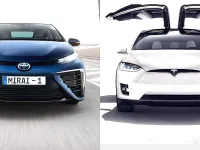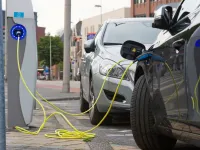
- Hybrids combine petrol engines with electric motors to improve efficiency via regen braking.
- Hybrid types: HEV, MHEV, PHEV offer different ranges and charging.
- PHEVs provide 30-80 km electric range before switching to hybrid mode.
- Upfront costs and long-term maintenance matter; Romanian government support influences choice.
The transition to sustainable mobility has brought two core technologies to the forefront of the automotive industry: hybrid and electric cars. This evolution is not just a trend; it is a necessity driven by the urgent need to reduce emissions and fuel consumption.
The decision between a hybrid and an electric vehicle is increasingly relevant for Romanian consumers, especially in the context of government support programs. To make the most informed choice, it is essential to understand the fundamental differences between these technologies, the advantages and disadvantages of each, as well as upfront and long-term maintenance costs.
Hybrid technology: how it works and what types exist

Hybrid systems combine an internal combustion engine (usually petrol) with one or more electric motors, creating a synergy that optimizes energy efficiency. The core principle relies on regenerative braking and smart management of the two propulsion sources.
Historical evolution of hybrid technology
Contrary to popular belief, hybrid technology is not new. In 1899, German engineer Ferdinand Porsche developed the first hybrid car, the System Lohner-Porsche Mixte. This pioneering vehicle used a petrol engine to drive an electric generator which, in turn, powered the electric motors on the front axle.
The initial success of hybrid technology was interrupted by the appearance of Ford automobiles in 1904, which offered:
- Significantly lower prices than hybrids
- Higher power from the internal combustion engine
- Simplicity of use and maintenance
The modern revival of hybrids began in 1997 with the launch of the Toyota Prius, followed in 1999 by the Honda Insight in the United States. These models established the foundations of the modern hybrid car market.
Types of hybrid systems available

Classic Hybrid (HEV - Hybrid Electric Vehicle)
This system does not require external charging; the battery recharges exclusively from energy recovered during braking and via the internal combustion engine. Electric-only range is limited (10-15 km for early generations), but it offers 20-40% fuel consumption reductions compared with conventional engines.
Mild Hybrid (MHEV - Mild Hybrid Electric Vehicle)
Represents the most affordable hybrid option, where the electric system assists the main engine without being able to drive the vehicle independently. The electric motor powers auxiliary consumers (air conditioning, audio system, power steering) and provides an additional boost to acceleration.
Plug-in Hybrid (PHEV - Plug-in Hybrid Electric Vehicle)

Combines the advantages of both technologies, providing extended electric range (30-80 km depending on model) via large-capacity batteries that can be charged from the grid. When the battery is depleted, the vehicle operates as a classic hybrid.
Advantages and disadvantages of hybrid systems
Advantages:
- 20-40% fuel reduction versus conventional engines
- Extended total range through the combination of thermal and electric power
- Does not require changing travel routines (in the case of classic hybrids)
- Reduced CO2 and local pollutants
- Reliability demonstrated in the long term
Disadvantages:
- Higher upfront cost than conventional engines
- Increased technical complexity (two propulsion systems)
- Additional weight from batteries
- Reduced trunk space in some models
- Potentially higher service costs
Electric technology: the zero-emission mobility revolution

Electric vehicles use only electricity stored in batteries to power one or more electric motors. This technology offers a very different driving experience, with unique advantages in terms of performance and environmental impact.
History of electric cars
Ironically, electric cars dominated the auto market at the beginning of the 20th century, representing 28% of sales between 1899-1900. Preference for electric vehicles stemmed from their clear advantages:
- Quiet operation
- Absence of vibrations
- Ease of use (no starting crank)
- Higher reliability
The decline occurred in 1912, when price differences became prohibitive: $650 for a petrol car versus $1,750 for an electric one.
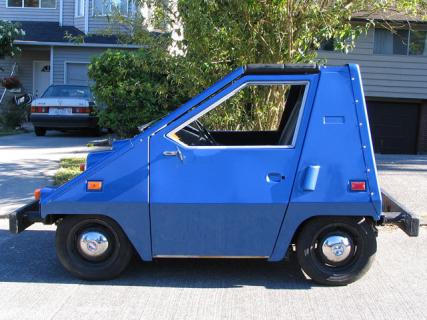
Between 1960-1970, the oil crisis and growing awareness of pollution brought electric technology back into focus. The Sebring-Vanguard Citicar offered a range of 80-97 km and a top speed of 70 km/h.
The best-known modern attempt was General Motors EV1 (1996), with a range of 160 km and 0-100 km/h acceleration in 7 seconds. Unfortunately, for commercial reasons, all 1,117 units produced were recalled and destroyed, except for 40 donated to institutions.
Main advantages of electric cars
Superior performance
The electric motor provides maximum torque from zero RPM, resulting in linear, impressive acceleration from 0 km/h. The absence of a gearbox eliminates interruptions in power delivery, delivering an exceptionally smooth driving experience.
Increased mechanical reliability
With only about 20 moving parts (compared with over 2,000 in an internal combustion engine), the electric motor presents much lower risk of failure. There is no:
- Transmission
- Clutch system
- Exhaust system
- Complex cooling system
- Oil and fuel filters
Lower operating costs
A full charge costs about 50-150 RON (depending on battery capacity and energy rate), offering a range of 200-500 km. Maintenance is limited to brake checks, tire rotation, and software updates.
Minimal environmental impact
Zero local emissions contribute significantly to improving air quality in urban areas, especially when the electricity is sourced from renewables.
Challenges of electric technology

Range and infrastructure limitations
In Romania, the charging network is still developing, making long trips challenging. Range varies from 150-600 km depending on model, weather conditions, and driving style.
Battery degradation over time
Lithium-ion batteries degrade gradually, losing 10-20% capacity after 8-10 years. Replacement cost can range from €8,000 to €15,000, although manufacturer warranties typically cover 8 years or 160,000 km.
Charging time
A full charge can take between 30 minutes (DC fast charging) and 12 hours (slow AC charging), requiring careful trip planning.
Purchase costs
Entry-level models with a reasonable range (200+ km) start at around €25,000-€30,000, while premium versions can exceed €80,000.
Financing programs in Romania
For hybrid cars
The Romanian government offers the following incentives for hybrid purchases:
- An additional voucher of 1,700 RON through the Rabla Program (on top of the standard 6,500 RON)
- 50% reduction on annual tax
- Free parking rights in certain urban areas
- Access in zones with traffic restrictions
For electric cars
For 100% electric vehicles, government support is more generous:
- A €10,000 voucher through the Rabla Plus Program
- Full tax exemption for the first 5 years
- Free access in restricted zones
- The possibility to install charging stations with financial support
Conclusion: which option should you choose?
The decision between hybrid and electric depends on your individual usage profile:
Choose hybrid if:
- You travel long distances daily (>100 km)
- You do not have access to a home charging station
- You want to reduce consumption without changing your routine
- Your budget is limited
Choose electric if:
- You drive mainly in urban areas (under 100 km/day)
- You have the ability to charge at home or at work
- You want maximum performance and minimal operating costs
- You support zero-emission mobility
Both technologies represent an important step toward cleaner and more efficient mobility, with the optimal choice determined by your specific needs, budget, and local infrastructure.