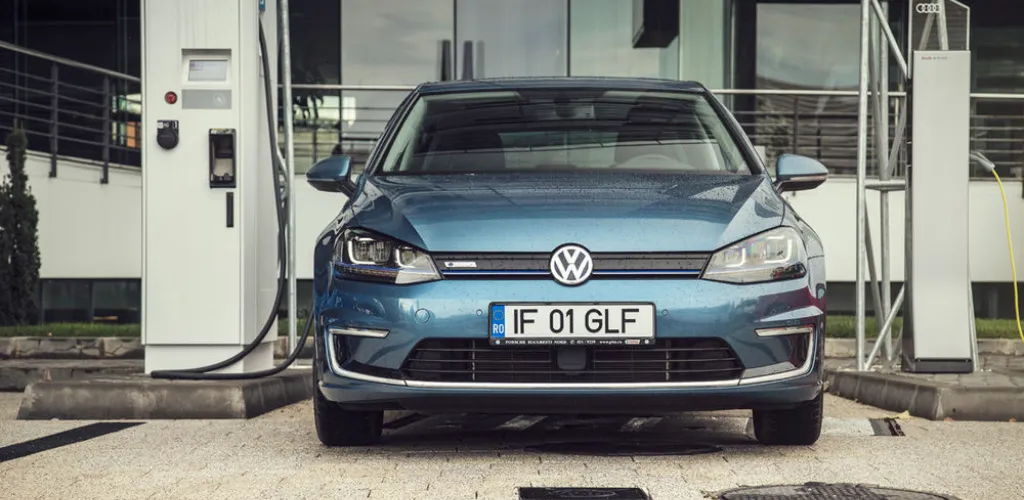
- Energy subsidies cap at 255 kWh per month strains home charging.
- Tariffs: 0.68 RON/kWh up to 100 kWh, 0.80 up to 255 kWh.
- Free parking for electric and hybrid cars ends in Bucharest starting 2023.
- Charging infrastructure challenges persist: home charging 10-15 hours; fast charging ~30 minutes.
Electric and hybrid car owners in Romania are facing a major shift in the landscape of fiscal and operational incentives. The new regulations effective in 2023, combined with rising energy prices, transform these vehicles from economical alternatives into costly investments that require careful reevaluation.
Impact of the energy cap on electric car owners
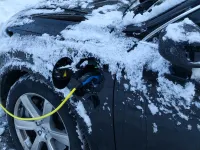
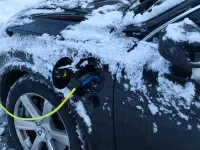
The most significant shock for electric vehicle owners comes from the new legal provisions capping energy subsidies. The cap of 255 kWh/month set by authorities creates a real difficulty for drivers who charge their vehicles at home.
Main issue: a single charge of an electric vehicle can consume between 150-200 kWh per month, nearly exhausting the entire subsidized cap. This means that owners who have opted for home charging - considered the most convenient option - find themselves facing substantially higher bills.
For plug-in hybrid vehicles that run approximately 1,000 km per month and rely predominantly on the electric component, consumption can easily reach 200 kWh, according to industry experts.
New tariff structure for electricity
The Minister of Energy, Virgil Popescu, clarified the tariff system that directly affects electric car owners:
- Consumption up to 100 kWh/month: 0.68 RON/kWh (VAT included)
- Consumption between 100-255 kWh/month: 0.80 RON/kWh (VAT included)
- Consumption above 255 kWh/month: market price (not subsidized)
For consumption between 255-300 kWh/month, the difference is paid at market price, and above 300 kWh/month, the entire difference remains unsubsidized.
The end of free parking - an additional blow
Alongside energy issues, owners of electric and hybrid vehicles in Bucharest face another major change: the gradual elimination of free parking. This benefit, which was one of the main selling points for these vehicles, is set to disappear starting in 2023.

As one electric car owner puts it: “We will pay for parking. At least with one vehicle I can have free parking. It was to be expected. And in a year I suspect that even electric ones won’t have free parking.”
Comparison with traditional vehicles
In this new context, petrol and diesel cars become economically competitive again, despite fuel prices rising by around 50%. Operational costs for electric vehicles, which were previously significantly lower, are now approaching those of internal combustion engines.
Challenges of charging infrastructure
A further problem is the duration and availability of charging:
- Home charging (standard outlet): 10-15 hours for a full charge
- Fast charging stations (50-120 kW): about 30 minutes
While fast charging stations seem a solution, they are still few and long queues are anticipated as the number of electric vehicles grows.
Adoption trend of electric vehicles
Despite these challenges, Romania recorded a milestone in 2022: Romanians bought more electric cars than diesel. Over 30,000 Romanians invested sums of over 12,000 euros for hybrid vehicles, initially motivated by benefits such as free parking.
Conclusions and perspectives
The new regulations mark the end of the “honeymoon” for electric vehicle owners in Romania. The elimination of operational advantages, combined with rising energy costs, calls into question the economic equation that made these vehicles attractive.
For current owners and future buyers, a careful analysis of total cost of ownership is essential, which now includes:
- Significantly higher energy costs for home charging
- Elimination of free parking
- The need for more careful planning of charging routes
This situation underscores the importance of a coherent national strategy for electric vehicles, balancing environmental objectives with consumers’ economic realities.