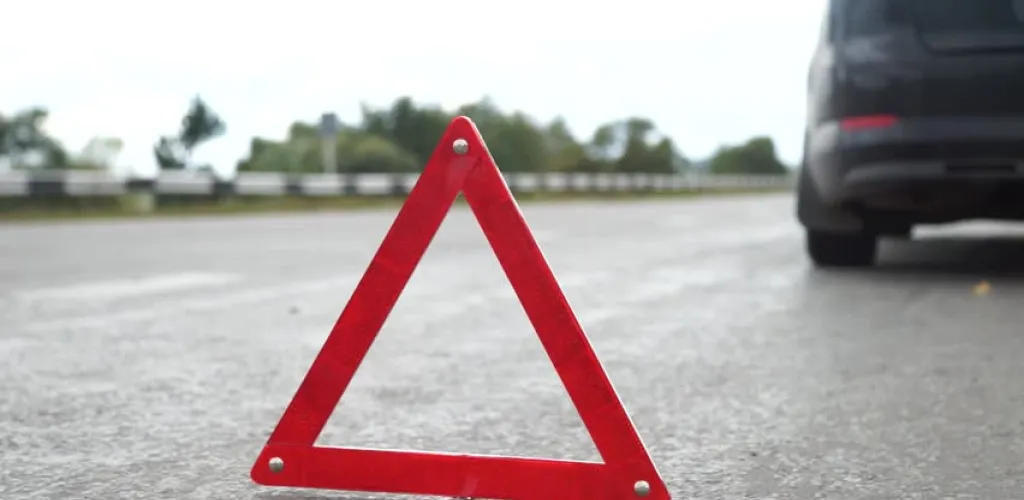
- Strong fuel odor requires stopping safely; could indicate leaks, pump failure, or vent issues.
- Steering pulls or loose wheel demands immediate stop; causes include steering, suspension, or tire issues.
- Severe brake issues include soft pedal, sinking pedal, noises, or vibrations; stop immediately.
- Red brake warning light requires immediate stop; check handbrake, then possible leaks or wear.
Driving a car carries the responsibility of recognizing warning signals that may indicate serious safety issues. Ignoring these signs can lead to accidents or costly damage to the vehicle. Whether it’s a suspicious odor, a dashboard warning light, or a change in how the car behaves, it’s essential to know when to react promptly.
This guide explains the most important warning signs you should never ignore behind the wheel and which require an immediate, safe stop.
Three physical signs that require an immediate stop
Fuel smell in the cabin
Whenever you notice a strong fuel odor in the cabin, stop the car safely on the roadside. The first step is to check whether the fuel filler cap is properly tightened or if it is missing entirely.
If the cap is fine, the problem may be much more serious:
- Leaks in the fuel system – damaged lines, loose fittings, or a perforated tank
- Fuel pump failures – can generate dangerous vapors
- Ventilation system problems – defective carbon canister
These situations pose a real fire risk, especially in the presence of an ignition source. Head to the nearest auto service for a full check immediately.
The steering pulls to one side or the wheel feels loose
When you feel the steering is no longer precise or the car pulls constantly to one side, you are dealing with a serious safety issue that can lead to loss of control of the vehicle.
Possible causes include:

- Steering system failures – worn rack and pinion or steering box
- Suspension problems – defective shocks, worn suspension arms
- Uneven tire wear – improper tire pressure or misaligned wheels
- Wheel bearing failures – can introduce play in the system

Severe brake system problems
Brakes are the most important safety system on any vehicle. If you feel the car isn’t braking properly or you sense you’ve lost braking control, stop immediately in a safe place.
Warning signs at the brakes include:
- Soft or spongy pedal – possible air in the hydraulic system
- Pedal sinking to the floor – major brake fluid leaks
- Sharp metallic noises – brake pads worn out
- Strong vibrations while braking – warped brake disks
- Car pulls to one side under braking – caliper or hydraulic issue
Critical warning lights that require an immediate stop
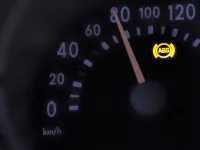
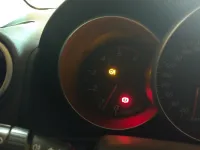
Brake system warning light
Whenever the red brake system warning light appears on the dashboard, you have a serious problem that requires an immediate stop in a safe place.
First thing to check is whether you left the handbrake engaged. Make sure the handbrake lever is fully released in its lowest position.
If the handbrake is released and the warning persists, the problems may be:
- Low brake fluid level – leaks in the system
- Extreme pad wear – wear sensors activated
- Brake booster failure – loss of assist
- Brake force distributor issues – risk of wheel lock

For your safety and that of other road users, proceed with extreme caution to the nearest auto service.
Oil pressure/level warning light
Engine oil is the engine’s lifeblood – without adequate pressure and quantity, the engine can be damaged within minutes of operation. When the red oil pressure warning light comes on, stop the engine immediately.
Steps to follow:
- Stop the engine immediately – do not continue to drive
- Check the oil level with the dipstick after 5 minutes
- Visually inspect under the car for leaks
- Top up the oil if needed – use the recommended type
- Take it to a service – even if the issue appears resolved
Common causes of this problem:
- Faulty oil pump – does not provide the necessary pressure
- Clogged oil filter – restricts circulation
- Major leaks – rapid oil loss
- Degraded or unsuitable oil – incorrect viscosity

Engine temperature warning light
Overheating can cause extremely costly damage – from warped cylinder heads to seized pistons. When the red temperature warning lamp lights up, you have only a few minutes to save the engine.
Emergency procedure:
- Immediately stop the air conditioning – reduces thermal load
- Turn the heating to maximum – helps cool the engine
- Shut off the engine safely – do not leave it running
- Do not open the cooling cap – risk of scalding steam
- Wait at least 30 minutes – allow the engine to cool completely
Causes of engine overheating:
- Low coolant level – leaks in the cooling system
- Stuck thermostat – prevents coolant circulation
- Clogged radiator – ineffective cooling
- Cooling fan failure – fan does not run
- Worn water pump – fails to circulate coolant
- Blown head gasket – mixing coolant with oil
Charging system/battery warning light
The battery and alternator form the vehicle’s vital electrical system. When the red battery warning light comes on, you have limited time before the car will shut down.
What happens when the system fails:
- Loss of electric power steering – steering becomes heavy
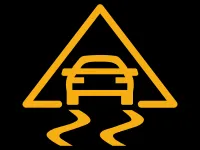
- ESP/ABS failures – safety systems inactive
- Cooling fan stops – risk of overheating
- Poor fuel injection operation – engine performance unstable
Quick diagnosis:
- If the voltmeter reads below 12V while driving, the problem is the alternator
- If the battery is over 4-5 years old, it is likely worn out
- Noises from the alternator indicate faulty bearings
- A rotten-egg smell can indicate an overheating battery
Check Engine light – diagnosing engine problems
The yellow Check Engine (MIL – Malfunction Indicator Lamp) is the most complex warning system in the car. Although it does not mandate an immediate stop, it signals faults that can escalate quickly.
Types of illumination and their meanings:
- Steady light – fault detected, but the engine runs
- Intermittent light – irregular fueling; stop may be required
- Red light – critical problem; stop immediately
Systems monitored by Check Engine:
- Fuel injection system – injectors, sensors, ECU
- Ignition system – spark plugs, coils, wires
- Exhaust system – catalytic converter, lambda sensors
- Intake system – air flow sensor, EGR
- Emissions control – particulate filter, AdBlue
A specialized mechanic, equipped with a professional tester, can read error codes and set repair priorities. Do not ignore this indicator—minor faults can become major quickly.
Conclusion
Rapid recognition of alarm signals can make the difference between a minor repair and a major breakdown, or even between life and death in the case of critical safety issues. Investing in periodic checks at trusted service centers and staying attentive to these warning signs will save you time, money, and protect your safety on the road.