- The battery warning light signals charging-system faults detected by the ECU to prevent battery drain.
- Common causes include terminal corrosion, loose cable connections, aging battery, and faulty alternator.
- Fixes include cleaning terminals, applying grease, tightening lugs, and seating cables properly.
- For aging batteries, test with a multimeter; replace below 12.2V; alternator life is 5–7 years.
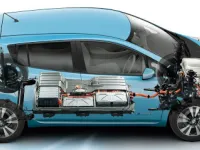
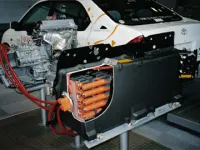
An electric system in a modern car depends entirely on the 12V battery, which powers all electronic components—from the ignition system and engine control unit to headlights, the radio, and interior lighting. When the battery no longer charges properly or discharges completely, the vehicle becomes completely inoperative.
In the past, car owners didn’t have many options to detect battery problems—they manually tested the voltage or waited for the lights to start blinking. Today, modern vehicles are equipped with a dedicated Battery warning light on the dashboard, which activates whenever the ECU detects an anomaly in the charging system. This early-warning system gives you a chance to fix the problem before the battery is fully drained, helping you avoid getting stranded on the road.
Battery Warning Light Meaning
Activating the battery warning light on the dashboard can indicate a variety of problems in the vehicle’s electrical system. To help diagnose the problem correctly, we analyze the seven most common faults that can cause this situation. Once you identify the primary cause, you can proceed with targeted repairs, either by refurbishing components or replacing defective parts.
1. Battery Terminal Corrosion
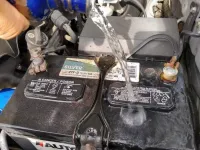
This is one of the most common problems and can cause difficulty starting the engine due to the starter motor turning slowly. Battery terminal corrosion interrupts the flow of electrical energy and prevents the alternator from performing the charging process.
When the battery terminals show corrosion, the dashboard battery light will stay permanently on. Fixing this problem is relatively simple:
- Disconnect the battery cables (always disconnect the negative cable first)
- Prepare a baking soda and water paste
- Use a toothbrush to thoroughly clean the terminals
- Apply technical grease to prevent future corrosion
2. Poor Battery Cable Connections
Like corroded terminals, battery cables that are not properly fixed can trigger the battery light. This situation often occurs after replacing the battery or after strong impacts (deep potholes, minor collisions).
To fix the problem:
- Ensure the cable lug is seated as low as possible on the terminal
- Tighten the connection using a 10mm wrench
- Check that there is no play between the lug and the terminal
3. Battery Aging
If the vehicle battery is over 3 years old, it may be near the end of its life cycle. Daily use and exposure to high temperatures accelerate the degradation process. Excess heat significantly reduces battery life, even if manufacturers offer warranties of 48, 72, or even 96 months.
To test the battery condition:
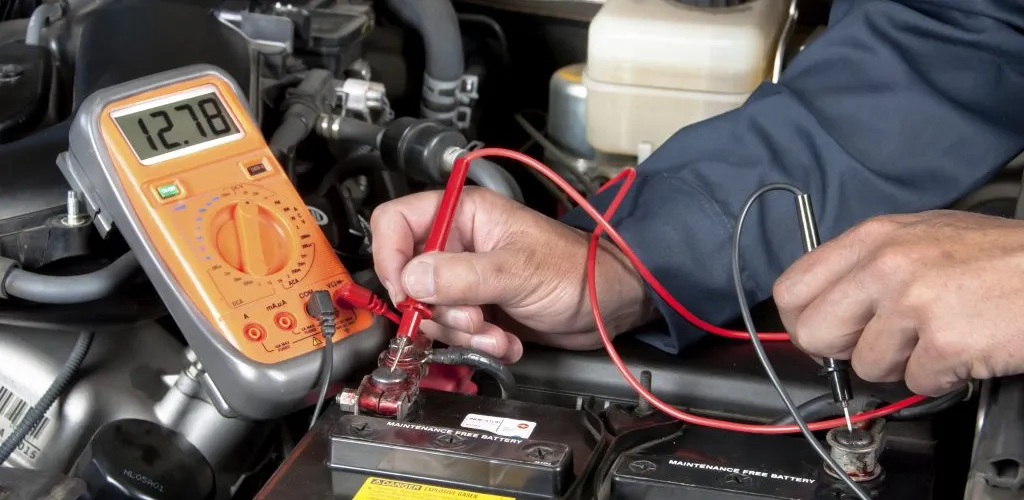
- Use a digital multimeter
- Connect the black lead to the negative terminal
- Connect the red lead to the positive terminal
- The voltage should be between 12.4V and 12.7V
- If the reading is below 12.2V, the battery needs replacement
4. Faulty Alternator
The alternator has an average lifespan of 5-7 years and is responsible for keeping the battery at maximum capacity during engine operation. A defective alternator cannot ensure charging, causing the battery warning light to activate.
Signs of a faulty alternator:

- The battery light comes on intermittently at first
- The headlights flicker at idle
- The battery discharges rapidly even with the engine running
- Unusual noises from the alternator area
5. Worn Alternator Belt
The alternator belt provides the mechanical connection between the crankshaft and the alternator. A worn, overstretched, or broken belt prevents the alternator from operating at optimum parameters, resulting in insufficient charging of the battery.
Signs of a worn belt:
- A shrieking noise on acceleration
- The battery light comes on gradually
- Belt slipping at high RPMs
- Visible cracks on the belt surface
Replacing the alternator belt with a new one is the only viable solution.
6. Damaged Ground Cable
The ground cable connects the battery’s negative terminal to the vehicle chassis, completing the electrical circuit. A damaged or corroded ground cable affects the energy flow to all electrical components.
Problems caused by a faulty ground cable:
- Intermittent operation of electrical equipment
- Battery light comes on
- Difficult engine start
- Problems with electronic systems
7. Electrical System Overload
If the battery and alternator were functioning normally, using multiple electrical devices simultaneously should not cause issues. However, when the charging system is not operating optimally, heavy use of accessories can quickly drain the battery.
Power-hungry consumers:
- Systèmes HVAC - heating and air conditioning
- Electric power steering (for vehicles with electric assist)
- Lighting - headlights, spotlights, auxiliary lights
- Additional accessories - wipers, defrost, GPS, multimedia systems
If you notice the warning light while driving, temporarily switch off nonessential consumers (A/C, radio, phone charger) to preserve the energy stored in the battery and reach your destination.
Conclusion
The battery warning light should never be ignored, as it can indicate serious issues in the vehicle’s electrical system. Correct diagnosis and prompt repair will prevent uncomfortable situations and additional repair costs. If you do not feel comfortable performing these checks, consult a car specialist for a professional diagnosis.